
Last updated November 24, 2026
 Sweep & inspection
 Caps & crowns
 Flue relining
 Masonry repair
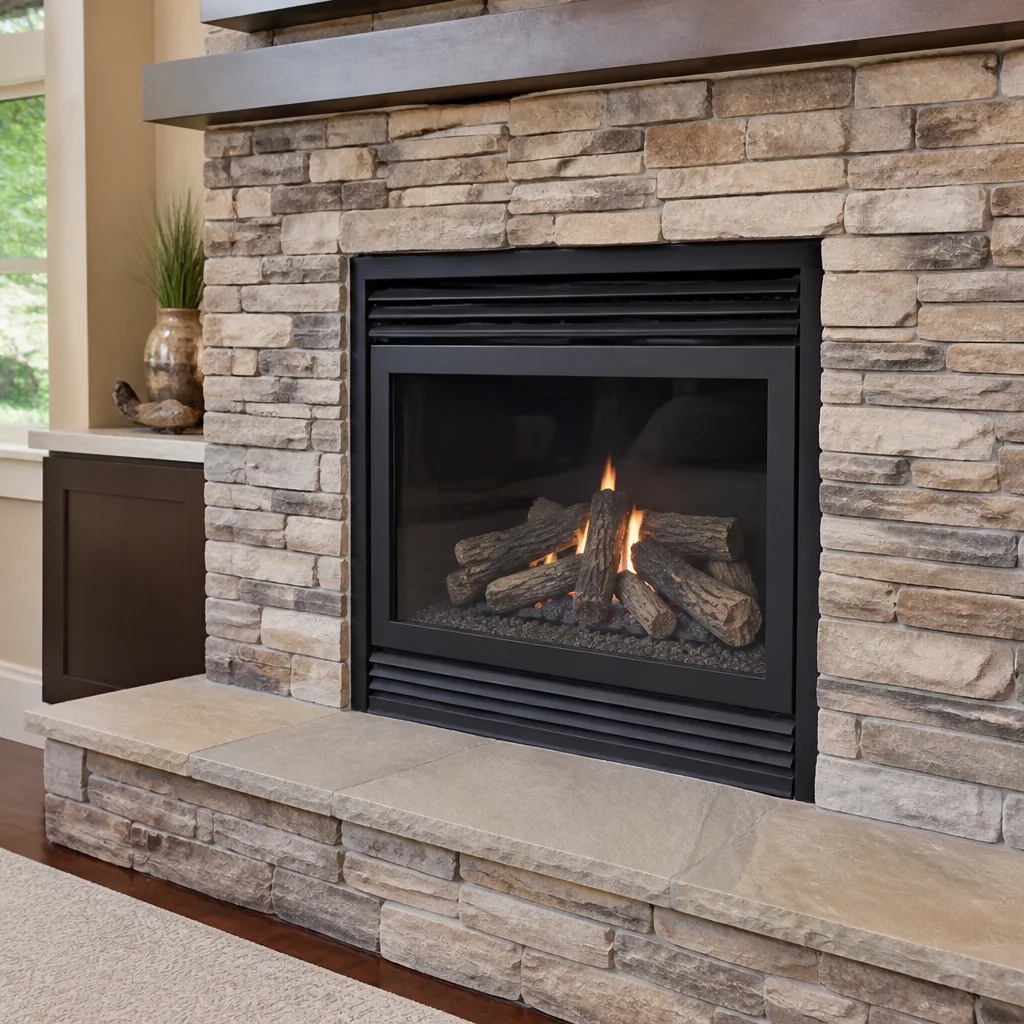 Gas fireplace service
Level 1 sweep and inspection to the NFPA 211 annual standard - flue, crown, cap, and flashing checked and photographed
Chimney sweep logs do not sweep chimneys. They loosen some creosote - which then falls where a brush and vacuum still have to collect it.
Chimney Sweep Maintenance Schedule: What to Do and When
Most homeowners treat chimney care as a once-a-year box to check, usually in fall, right before the first fire. That’s backwards for Murray. The damage that costs the most money here doesn’t happen while you’re burning wood. It happens in the freeze-thaw weeks between November and March, when daytime sun warms the crown and overnight cold drops below freezing, cracking masonry a little more each cycle. By the time spring arrives, water has been working its way into the flue for months. This guide lays out a maintenance calendar built around when chimneys actually fail in Murray, not when it’s convenient to schedule. You’ll get a month-by-month task list, the burn-frequency rule that replaces the calendar-year rule, and the 10-minute checks that catch problems between professional visits.
Quick Answer
A sound chimney maintenance schedule in Murray runs four seasons, not one: a pre-season sweep and inspection in early fall, monthly homeowner checks through peak burn, a post-season sweep once you stop burning, and a spring moisture and masonry check after freeze-thaw. The professional baseline is an annual inspection, but the real trigger for sweeping is 1/8 inch of creosote buildup, not twelve months on a calendar. Heavy burners may need two sweeps a year; light burners may not.
Styles & brands we work with
- Sweep & inspection
- Caps & crowns
- Flue relining
- Masonry repair
- Gas fireplace service
Table of Contents
- Why “Once a Year” Isn’t a Real Schedule
- The Murray Month-by-Month Schedule
- How Burn Frequency Changes Your Sweep Interval
- The Spring Freeze-Thaw Check
- Your 10-Minute Homeowner Check Routine
- Where HeatShield Fits in a Long-Term Schedule
- Cap and Crown Care Through the Year
- Common Mistakes to Avoid
- When to Call a Professional
Why “Once a Year” Isn’t a Real Schedule
An annual inspection is the floor, not the ceiling. It’s the minimum every chimney organization and fire code recommends, and it’s genuinely good advice. But a single yearly visit treats a Murray chimney as if it lives in a stable climate with stable use. Neither is true here.
Two things change the picture. First, the weather. Murray’s stretch from November to March swings hard between mild afternoons and hard freezes at night. Masonry, mortar, and a clay crown all absorb moisture, then that moisture freezes, expands, and pries the material apart. A crown that looks fine in October can show hairline cracking by February. That cracking lets more water in, and the next round of freezing makes it worse. It compounds. Catching it in March is cheap. Catching it in June, after a season of snowmelt and spring rain has run through the crack into the flue, is a different job.
Second, use. A calendar year assumes every household burns the same amount. A homeowner who lights a fire most winter nights produces far more creosote in a few months than someone who burns a dozen times a season. The calendar can’t tell them apart. A visual inspection can.
So the schedule below has two layers. There’s the professional layer: when to book a sweep and an inspection. And there’s the homeowner layer: the low-effort checks that keep small problems small between visits. Put them together and you have a maintenance plan that actually matches how a Murray chimney ages. A sweep without an inspection is just guesswork, so treat the two as one appointment.
The Murray Month-by-Month Schedule
Think of the year in four phases: pre-season, peak burn, post-season, and spring moisture. Here’s what belongs in each.
Pre-Season (September to October)
Before the first fire, you want a clean flue and a known-condition chimney. This is the time to book a sweep and inspection together. A technician cleans out the creosote and then looks at what cleaning revealed: liner condition, crown, cap, damper, firebox, and any signs of water entry from the previous winter. Fall is also when we’re looking at the crown and cap with fresh eyes after summer, before snow sits on them for months.
Peak Burn (November to March)
During the heavy-burn months, you don’t need a professional in the house on a schedule. You need your own eyes on the basics. Check the firebox for crumbling mortar. Notice whether smoke drafts well or backs up. If you hear a change in how the chimney draws, make a note. If you’re burning more than a few fires a week, this is also where the 1/8-inch rule matters (more on that below). If anything looks off, don’t wait for spring.
Post-Season (April)
When you stop burning for the year, book a sweep. Two reasons. It clears the creosote before it sits and hardens through summer humidity, and it gives you a clean flue going into the moisture season, so any water that gets in isn’t mixing with soot and acid. The post-season appointment is also the natural time to schedule any repair work the inspection flagged, before summer heat and winter freezing stress it further.
Spring Moisture Check (May to June)
This is the check most homeowners skip and the one Murray’s climate most rewards. After the freeze-thaw cycle, go look at the crown and the visible masonry for spalling. Spalling is where the face of the brick flakes off, leaving a rough, crumbly surface. It’s a reliable sign that water has been cycling through the material and freezing. Catching it in late spring, before the summer monsoon season, means the repair gets done before more water enters. We use HeatShield for flue resurfacing and Copperfield and Gelco products where they fit, because the right material matters as much as the timing.
Written out, the calendar looks like this:
- September – October: book sweep and inspection together, address any cap or crown issues before winter.
- November – March: homeowner visual checks; watch for draft changes and crumbling mortar.
- April: post-season sweep; schedule flagged repairs.
- May – June: check crown and masonry for spalling and cracking after freeze-thaw.
- July – August: if you skipped spring, this is the last quiet window before burning season.
How Burn Frequency Changes Your Sweep Interval
Here’s the part most homeowners have never heard: the rule that matters isn’t how many months it’s been since your last sweep. It’s how much creosote has built up. The threshold professionals work from is roughly 1/8 inch of deposit on the flue walls. Below that, the chimney is generally considered clean enough to use safely. At or above it, the risk climbs fast, and with certain kinds of creosote, so does the difficulty of cleaning it out.
Creosote comes in stages. The first is a light, fluffy soot that brushes off easily. The next is a sticky, glazed deposit that’s harder to remove and more combustible. The most advanced stage is a shiny, hardened glaze that can take serious effort to clear. The more you burn and the more you let deposits sit, the further along that progression you drift.
What that means in practice for a Murray household:
- Occasional burners (a few fires a month, mostly decorative): an annual inspection is usually the right cadence, and a sweep may be needed only every other year or so, depending on what the inspection finds.
- Regular burners (most nights through winter): one pre-season sweep plus an inspection is the baseline, and you may need a mid-winter or post-season sweep depending on buildup.
- Heavy burners (wood as a meaningful heat source): two sweeps a season is common, and the 1/8-inch threshold should be checked rather than assumed.
Wood choice plays a role too. Seasoned, dry wood burns hotter and cleaner, leaving less creosote. Green or wet wood burns cooler and smolders more, depositing more. If you’re burning unseasoned wood, your intervals should shorten. This is exactly the kind of judgment call a technician makes in person. We can’t tell you over the phone whether your flue has crossed 1/8 inch. That’s why the inspection is the anchor of the whole schedule.
The Spring Freeze-Thaw Check
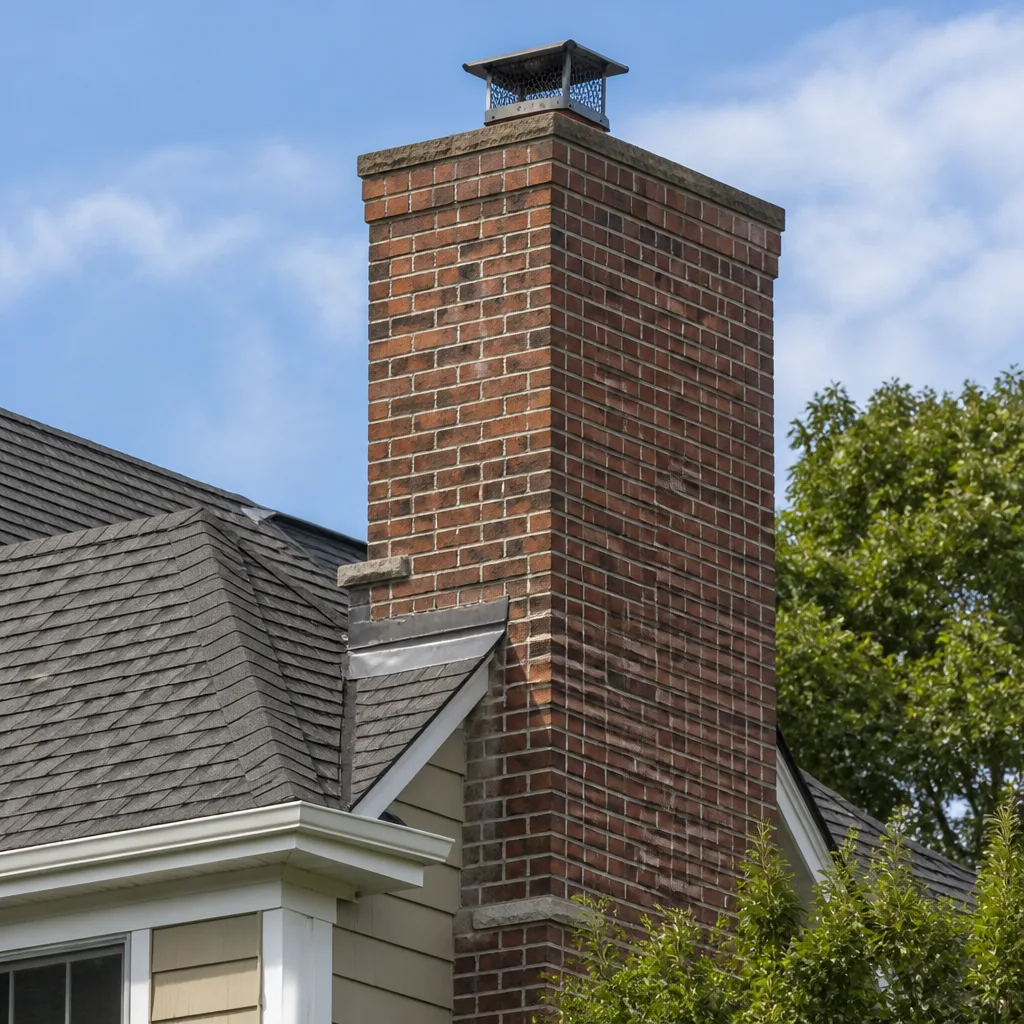
This is the section that earns this guide its keep. The crown sits on top of the chimney and its whole job is to shed water away from the masonry below. When it cracks, water gets in. When that water freezes, the crack widens. Repeat that over a single Murray winter and a hairline becomes a real opening. Most of the serious crown and masonry damage we see traces back to that cycle, not to age alone.
After the last freeze, here’s what to look for. You can do this from the ground with binoculars for the upper parts, and hands-on for anything you can safely reach.
- Look at the crown. Is the top surface intact, or are there visible cracks, chips, or a rough, crumbling edge? Is the slope still directing water away from the flue, or is it pooling?
- Scan the brick face. Look for spalling, where the surface flakes off and leaves a rough, porous face behind. Look for white, chalky staining, which can signal moisture moving through the masonry.
- Check the mortar joints. Are the joints still full and solid, or are they recessed, sandy, or crumbling?
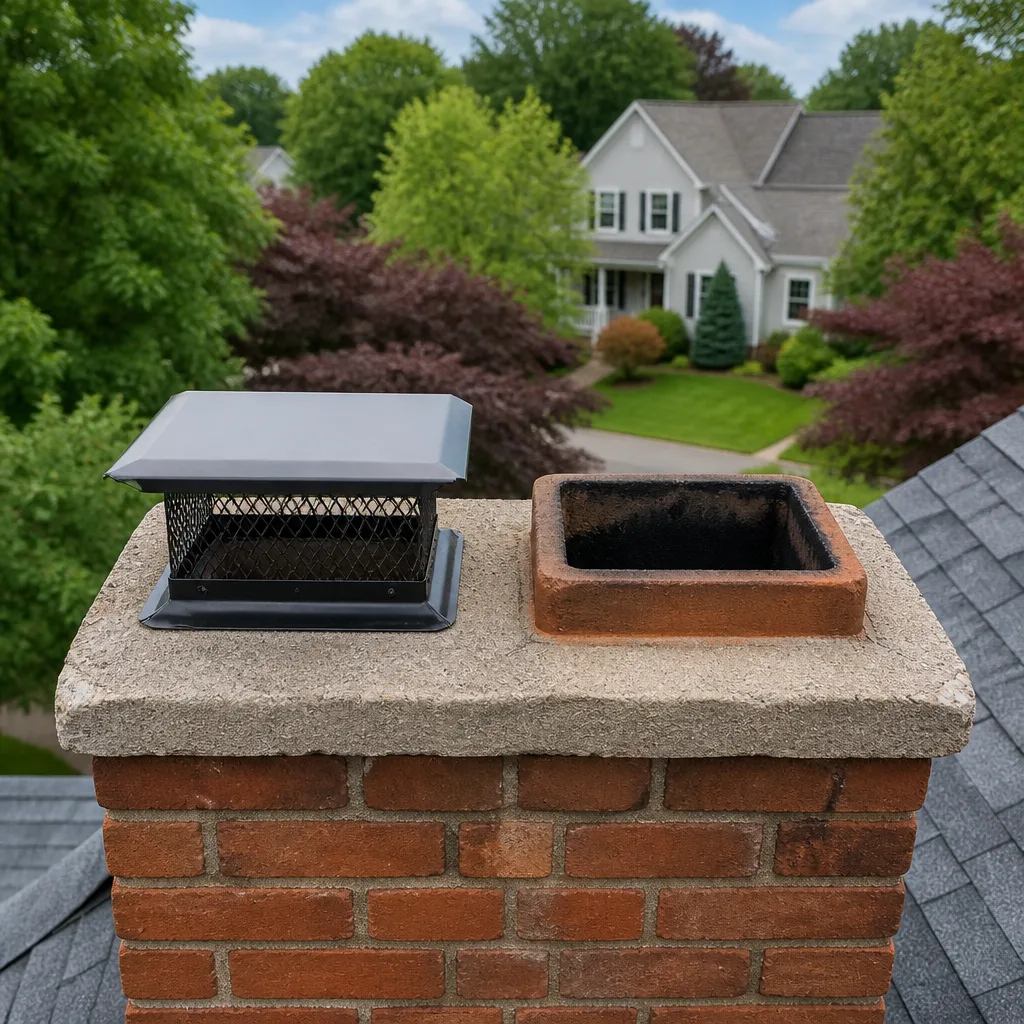
- Look at the cap. Is it in place, intact, and correctly sized? A damaged or missing cap is an open door for water and animals.
- Check from inside. Look up the flue with a flashlight. Any staining, rust on the damper, or dampness in the firebox is a signal that water is getting in somewhere.
Spring is the right time because you’re catching problems before the summer storms and before the next freeze. It’s also when the fix is smallest. A crown crack addressed in May is a repair. That same crack after two more winters, with water having worked into the masonry and the flue, can mean structural work. We handle cap and crown installation as one of our five core services precisely because it’s where the most preventable long-term damage begins. Fixing the cause, not just the symptom, is the whole point.
Your 10-Minute Homeowner Check Routine
You don’t need to be on the roof or in the flue. This is a between-visits routine, not a replacement for the professional inspection. Ten minutes, once a month during burn season.
- Look in the firebox. Check for crumbling or loose mortar between the firebricks. A firebox in poor condition can let heat reach places it shouldn’t.
- Open the damper and look up. With a strong flashlight, look up the flue. You’re looking for heavy soot, shiny glazed deposits, or staining. You don’t need to measure anything. If it looks heavily coated, call.
- Test the draft. Light a small fire and watch the smoke. It should rise up and out. Smoke that rolls into the room, or a fire that’s hard to keep lit, is a draft signal worth investigating.
- Watch the cap from the ground. Is it still there, still attached, still intact? A cap that’s come loose or been damaged by a storm is an open flue.
- Listen for changes. A chimney that suddenly sounds different, whistles in wind, or draws differently than it used to is telling you something.
- Notice creosote smell. A strong, sharp, tar-like smell in the room is often a sign of heavy deposit, and it’s more noticeable in warm weather when the chimney isn’t drafting.
None of this requires tools or a ladder. It’s just paying attention. The value is in the pattern. A chimney you’ve looked at monthly is one you’ll notice changing. By the time a professional is back for the pre-season visit, you’ll have useful observations to share, and the technician’s job gets sharper. That’s how a maintenance schedule actually works: the professional visits are the checkpoints, and everything in between is what makes them count.
Where HeatShield Fits in a Long-Term Schedule
Most homeowners hear “liner repair” and think one-time fix. That’s a fair assumption, but it misses how a resurfaced flue changes the maintenance picture going forward.
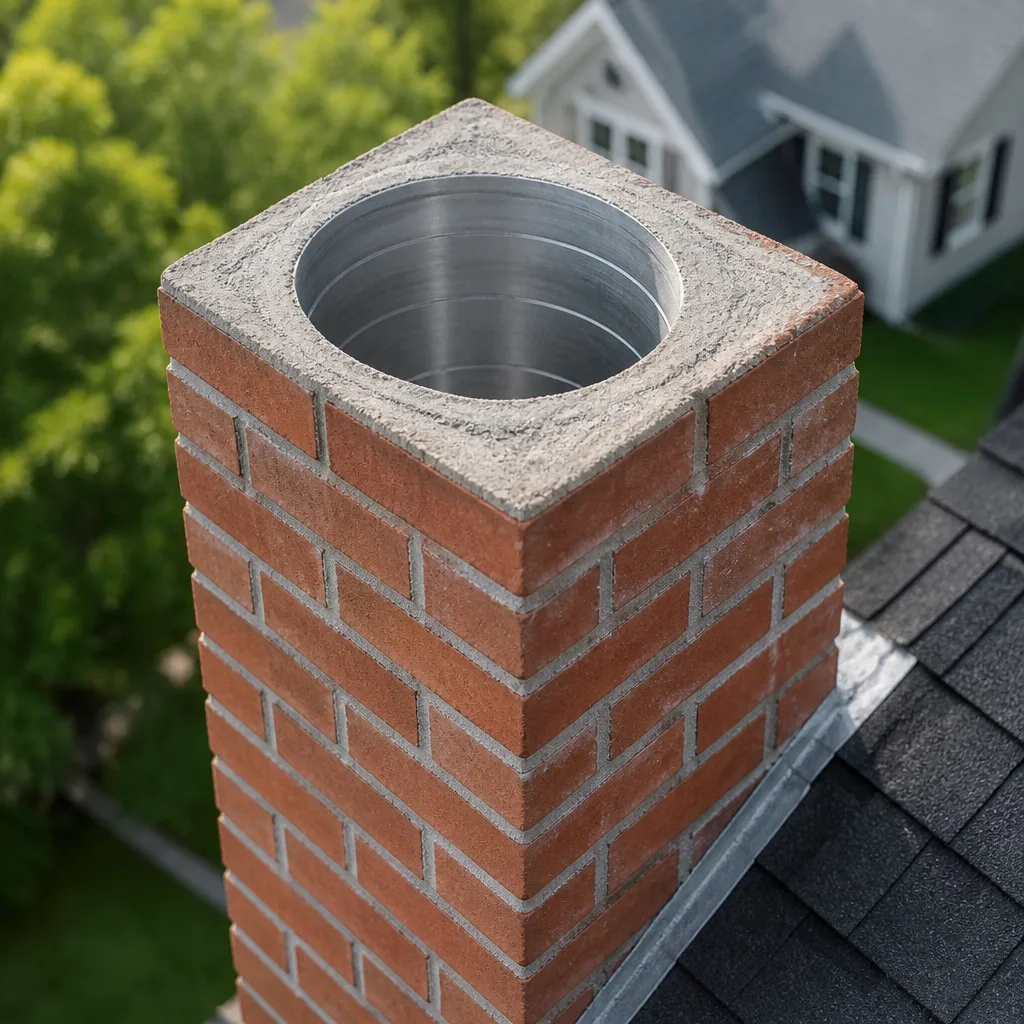
HeatShield is a flue resurfacing system. It’s applied to restore a damaged or deteriorated liner from the inside, creating a smooth, restored surface rather than a patch. It’s a specialized technique, and applying it correctly requires product-specific training. We’re certified to work with HeatShield, and we bring it into the schedule when an inspection finds a liner that’s cracked, spalling, or otherwise compromised but not beyond saving.
Here’s why it belongs in a maintenance calendar rather than a repair invoice. A smooth, restored flue surface changes how creosote accumulates. Rough, damaged masonry gives deposits more to grab onto. A restored surface is easier to keep clean and easier to inspect accurately. It also closes off the cracks that let water and heat through. So the annual inspection becomes more reliable, the sweep becomes more effective, and the risk of a small liner issue escalating becomes much lower. It’s preventive work that pays off over years, not a repair you make and forget.
That said, HeatShield isn’t always the right answer. Sometimes the liner is sound and just needs cleaning. Sometimes the damage is beyond resurfacing and a full liner replacement with a system like DuraFlex is the appropriate route. The inspection tells you which. This is why we diagnose before we recommend. We’re not going to sell resurfacing to someone whose flue is fine, and we’re not going to sweep over a liner problem and call it done. Whatever the inspection finds, we explain it and let you see it. The same specialist who inspects is the one who does the repair, so there’s no handoff to a second contractor and no finger-pointing if something’s not right.
Cap and Crown Care Through the Year
Caps and crowns are the two most overlooked parts of the chimney and the two that do the most to prevent damage. The cap sits on top of the flue and keeps water, animals, and debris out. The crown is the concrete or masonry surface that caps the entire chimney structure and sheds water away from the brick. Together they’re the first line of defense.
How they fit the schedule:
- Fall: check the cap and crown before winter. This is when we install or replace caps and address small crown cracks before freezing weather.
- Winter: from the ground, watch for storm damage to the cap. Snow and ice sitting on the crown do the most freeze-thaw damage here.
- Spring: the detailed crown inspection. Cracks and spalling are most visible now.
- Summer: the best window for any crown or cap repair work, since there’s time before the next freeze.
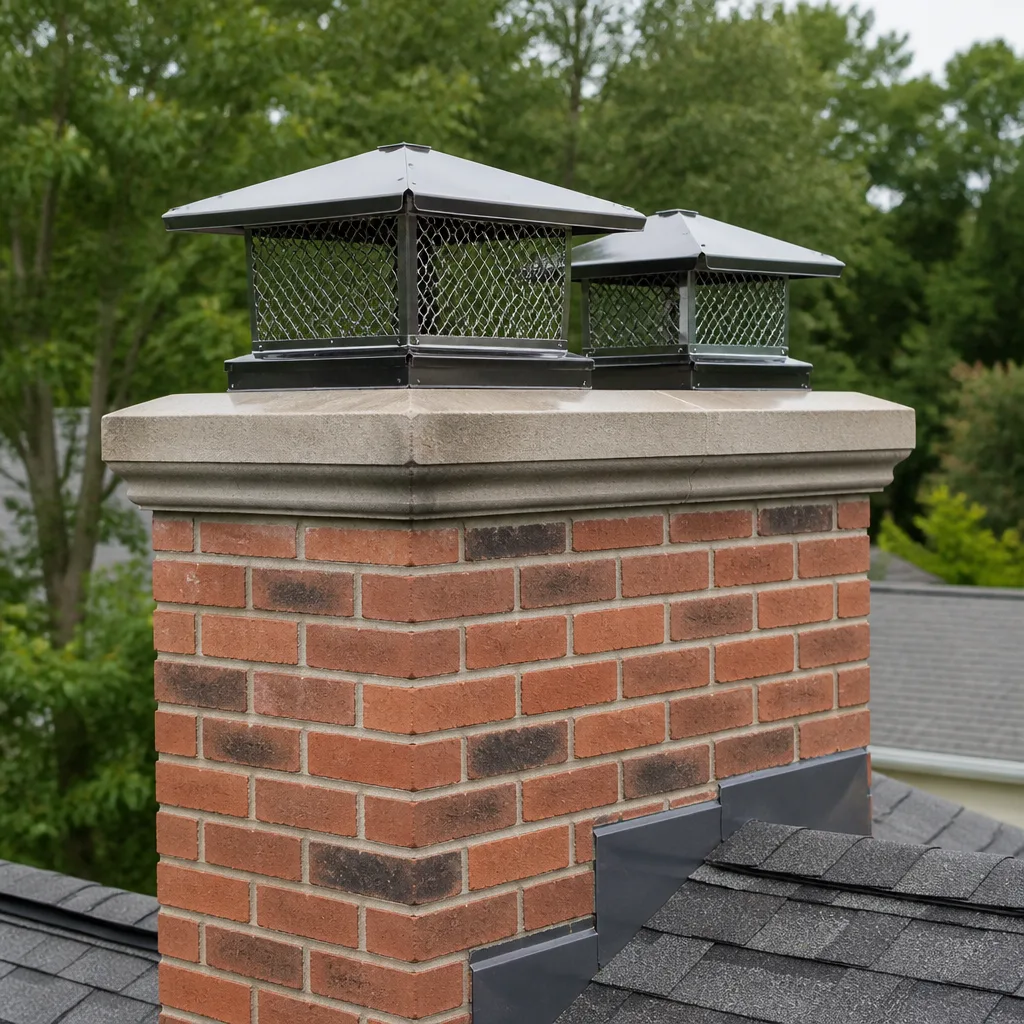
A properly fitted cap, often built with components from lines like Olympia Chimney or Famco, does more than keep rain out. It keeps birds, squirrels, and debris out, and it keeps sparks in. A crown that’s been resurfaced or rebuilt does the structural job of directing water off the top. Both are inexpensive relative to the masonry and flue damage they prevent. If your cap is missing, damaged, or the wrong size, that’s a maintenance item that should jump to the top of the list. It’s one of the five services we handle, and it’s the one with the clearest return over time.
Common Mistakes to Avoid
- Treating the annual inspection as the whole schedule. A yearly visit is the anchor, not the whole plan. Skip the spring moisture check in Murray and you’ll miss the freeze-thaw damage that a fall inspection can’t catch, because it hasn’t happened yet.
- Going by the calendar instead of the buildup. Waiting exactly one year between sweeps regardless of how much you burn means heavy burners get under-swept and light burners get over-swept. The 1/8-inch threshold is the better guide.
- Burning green or unseasoned wood. It burns cooler and leaves more creosote, which shortens your safe intervals and makes the flue harder to keep clean. Dry, seasoned wood is the single easiest way to slow buildup.
- Ignoring the cap because it “looks fine from the ground.” A cap can be loose, undersized, or damaged at an angle you can’t see from below. It’s worth a proper inspection at least once a year.
- Waiting until fall to address a spring problem. Crown cracks and spalling found in late spring are a small repair. Left through a summer and another winter, they’re a bigger one. Murray’s freeze-thaw cycle doesn’t pause for a convenient schedule.
- Assuming a sweep is a full inspection. A sweep without an inspection is just guesswork. You want the flue cleaned and then examined, because cleaning is what reveals the liner, crown, and firebox condition.
- Postponing a professional check because the fire “still works.” A chimney can have a compromised liner or early creosote glazing while still drawing fine. Function and safety aren’t the same thing.
When to Call a Professional
Some things are homeowner checks. Some need a trained eye. Call us if you see cracked or spalling masonry on the crown or chimney, if you notice white staining or crumbling mortar, if your cap is missing or damaged, or if the firebox mortar is loose. Call if smoke backs up into the room, if the draft has changed, if you smell creosote in warm weather, or if it’s simply been a season since your last sweep and inspection. And call if you’re not sure. A phone conversation costs nothing and can save you a big repair. The technician can talk through what you’re seeing and help you decide whether it’s a wait-and-see or a book-now. We handle the full chimney, from the firebox to the crown, and we’d rather answer a question early than fix a problem late.
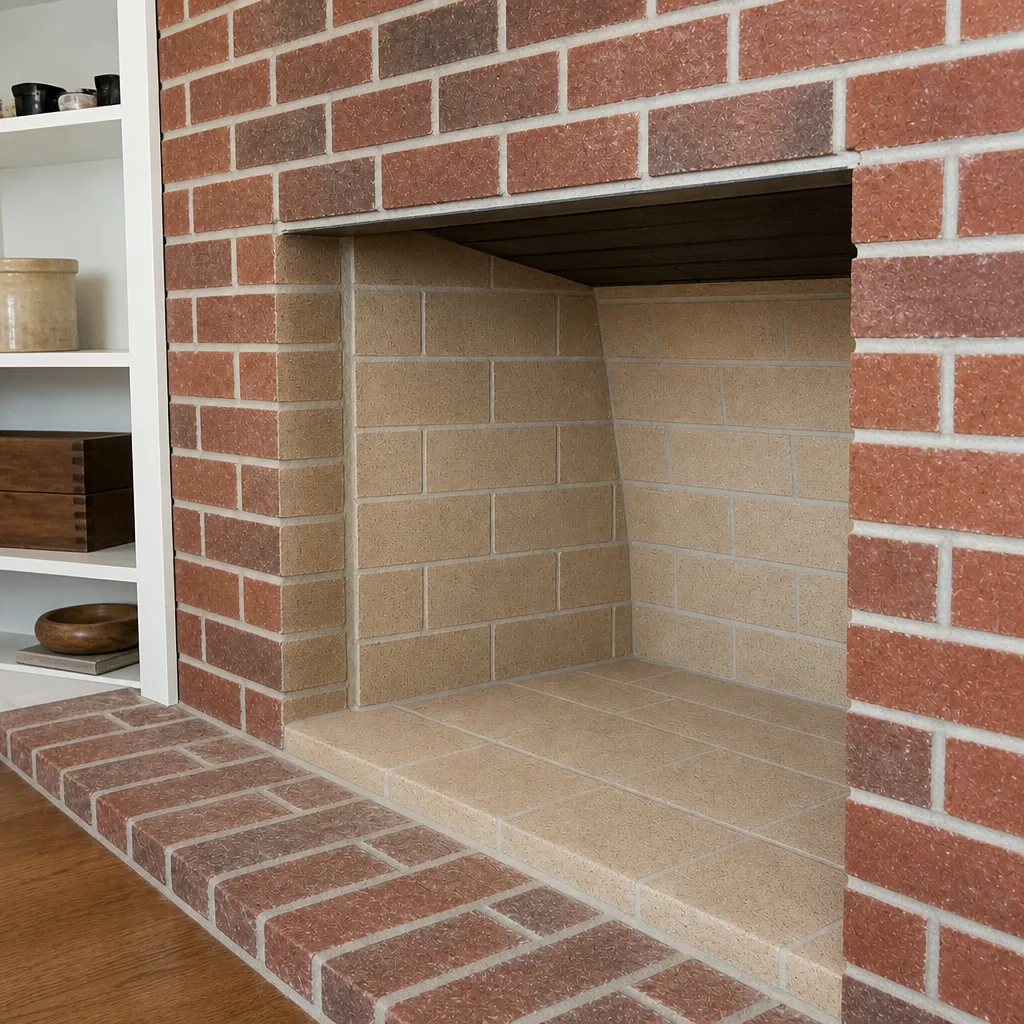
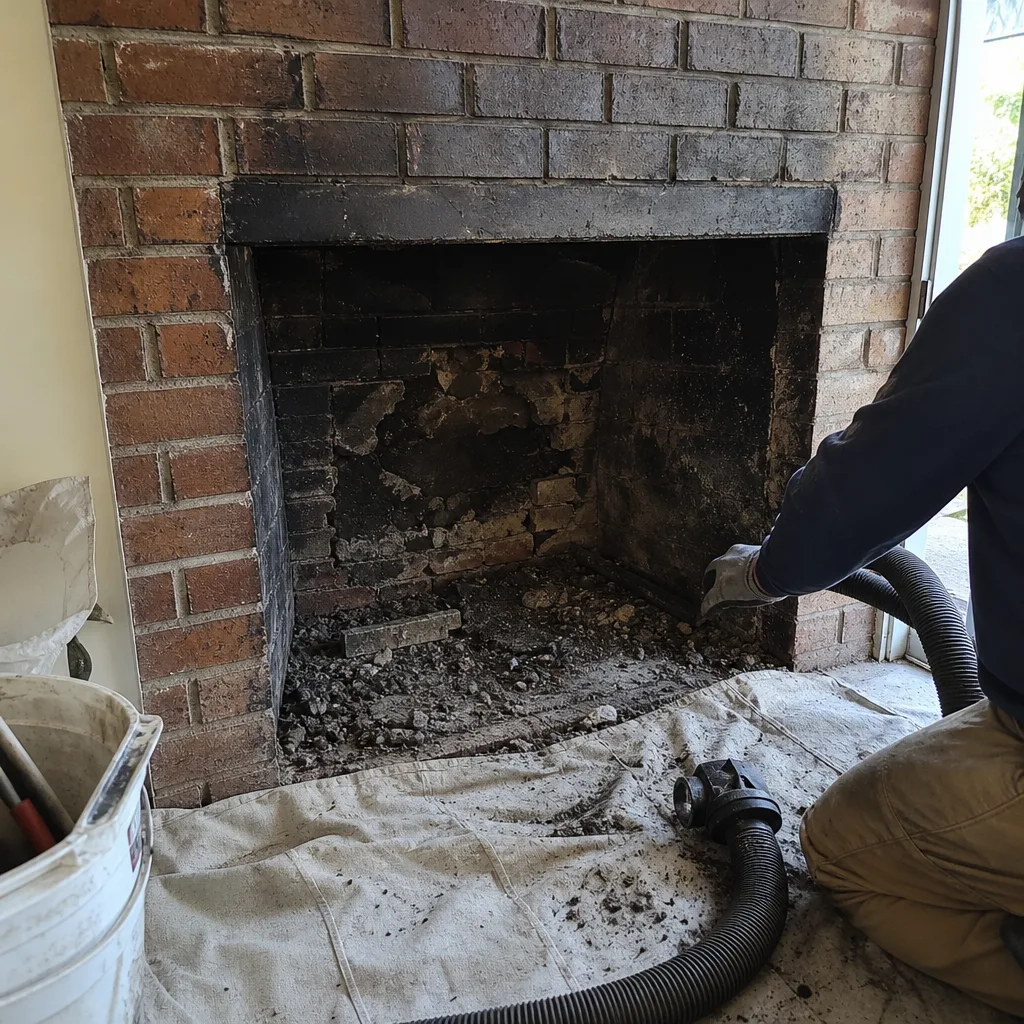
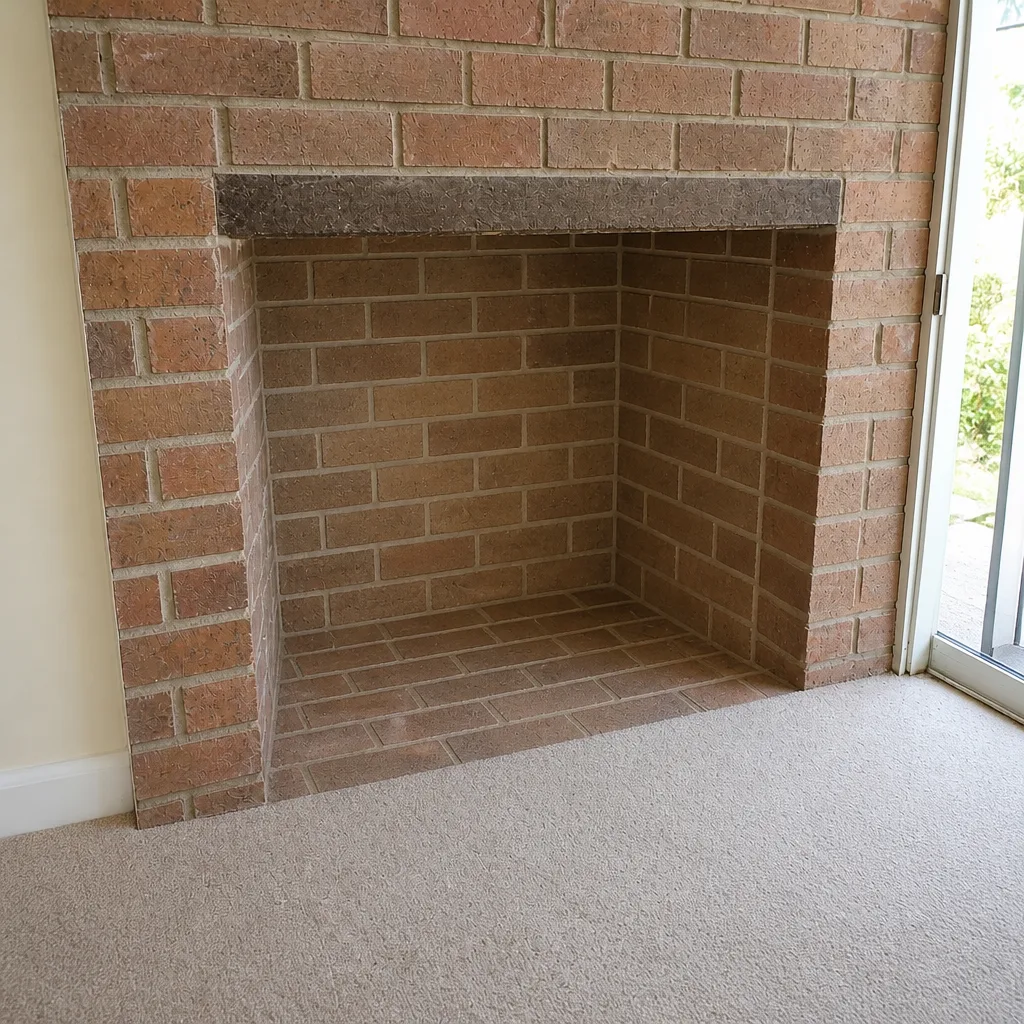
See the difference
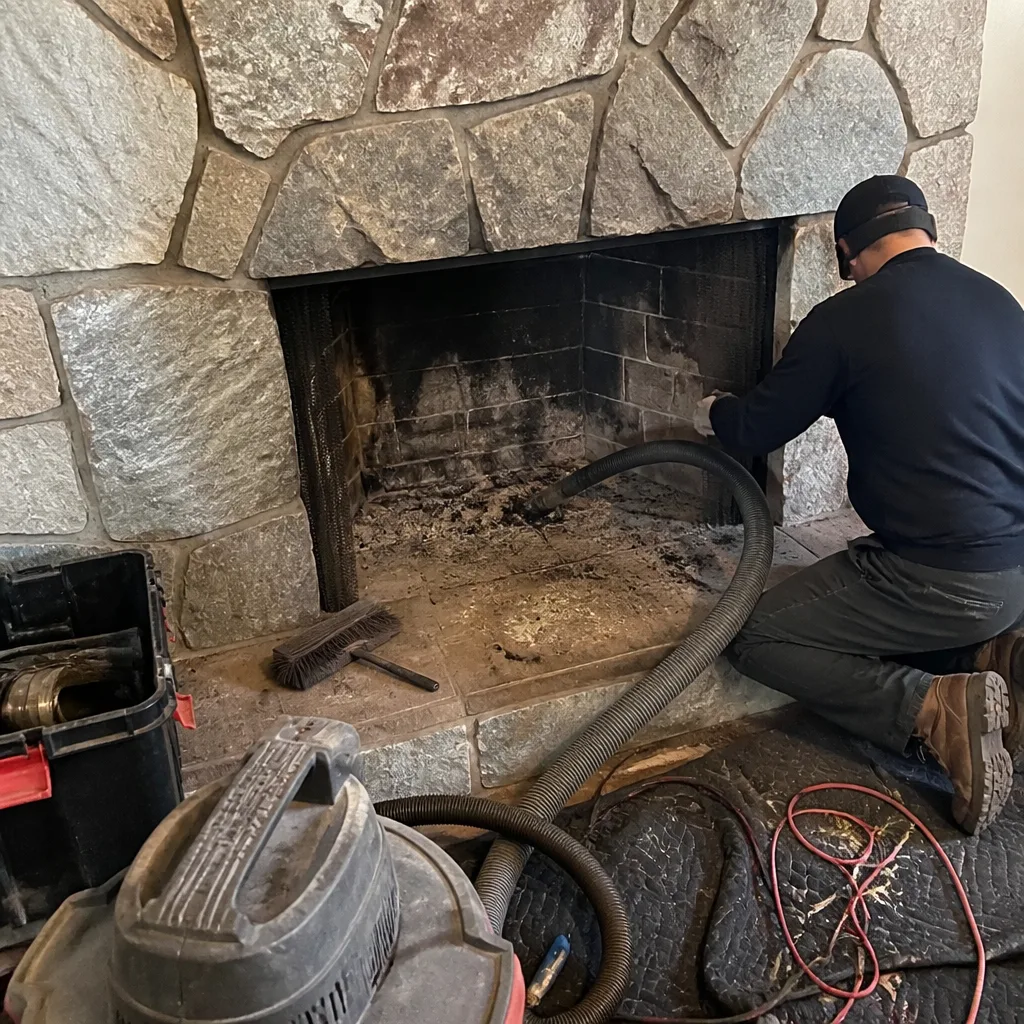 Before
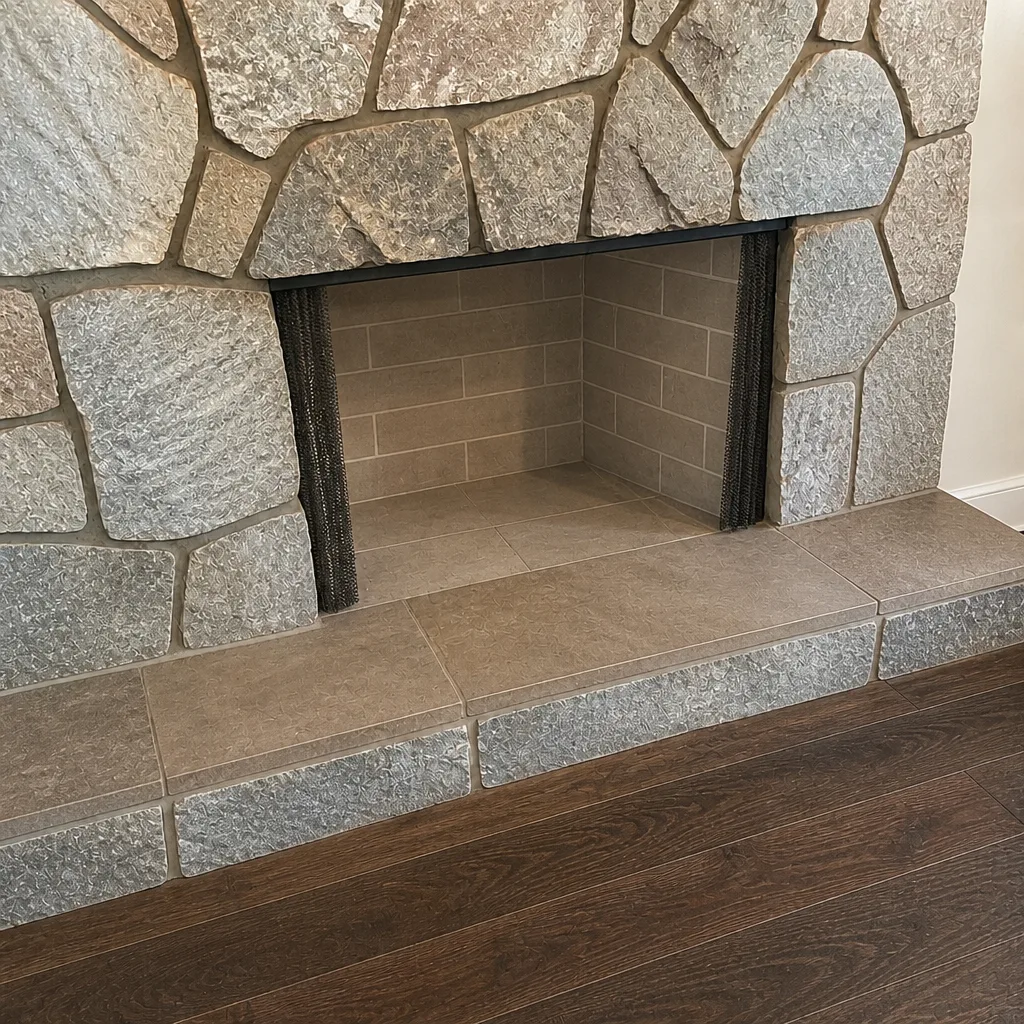 After
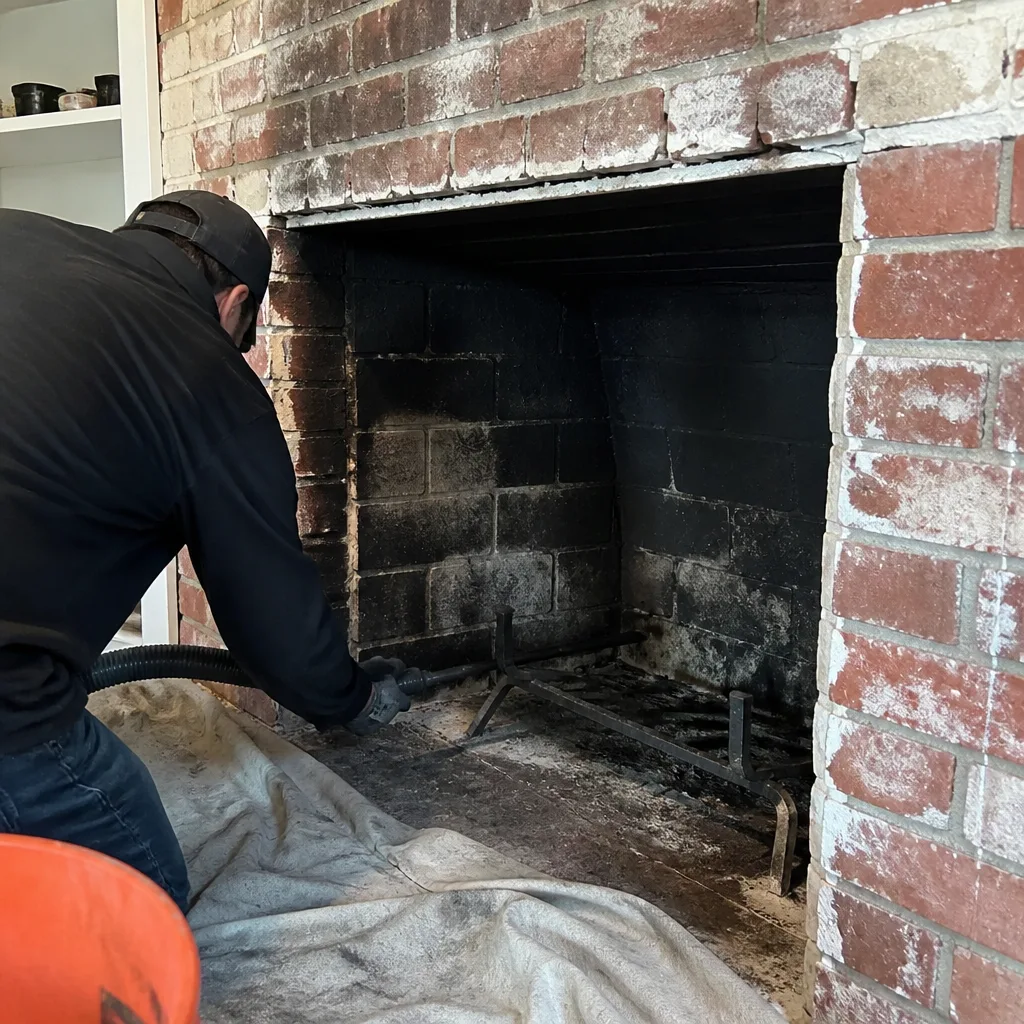 Before
 After
 Before
 After
Frequently Asked Questions
Not necessarily. The professional standard is an annual inspection, but sweeping should be based on creosote buildup, roughly 1/8 inch, rather than the calendar. Light burners may only need a sweep every other year, while heavy burners may need two a season. The inspection tells you which. Call (833) 468-3004 for a free estimate.
Murray swings between mild afternoons and hard freezes from November through March, and that cycle is what cracks crowns and spalls masonry. Water gets into small cracks, freezes, expands, and widens them, then the next freeze does it again. That’s why the spring moisture check matters as much as the fall inspection. Call (833) 468-3004 to book a post-winter check.
It’s the buildup threshold professionals work from: when creosote on the flue walls reaches about 1/8 inch, the chimney is due for a sweep. Below that, it’s generally considered clean enough to use safely. Heavy burners and anyone burning unseasoned wood should check it more often. Call (833) 468-3004 for an inspection that measures it.
Only an inspection can tell you. HeatShield resurfacing restores a liner that’s damaged but salvageable, while a liner replacement with a system like DuraFlex is the route when the damage is more extensive. We diagnose first and recommend based on what we find, and we explain it so you can see it. Call (833) 468-3004 for a free estimate.
Run a 10-minute monthly check during burn season: look at the firebox mortar, shine a light up the flue, test the draft, glance at the cap from the ground, and listen for any change in how the chimney draws. It won’t replace an inspection, but it catches changes early. Call (833) 468-3004 if anything looks off.
Yes, because caps and crowns are the two most common sources of water damage, and water damage is what drives most long-term chimney deterioration. Checking them in fall and spring keeps small cracks from becoming structural repairs. We install and repair both as part of our cap and crown service. Call (833) 468-3004 for a free estimate.
The Bottom Line
A real chimney maintenance schedule for Murray has four seasons, not one. Book a sweep and inspection together in early fall. Run your 10-minute homeowner checks through peak burn. Sweep again post-season to clear deposits before summer. And do the spring freeze-thaw check on the crown and masonry, because that’s where the damage this climate causes actually starts. Let the 1/8-inch rule, not the calendar, set your sweep interval. And treat HeatShield resurfacing and your cap and crown work as long-term protective investments, not one-time fixes. Our technicians have up to 15 years of experience reading exactly these signals. If you want a schedule built around your chimney and how you actually burn, we’re glad to help.
Call (833) 468-3004 for a free estimate. We answer 24/7. Fast dispatch from 7am to 7pm, Sunday through Friday.
Written by the team at Murray Chimney Sweep.