
Last updated November 24, 2026
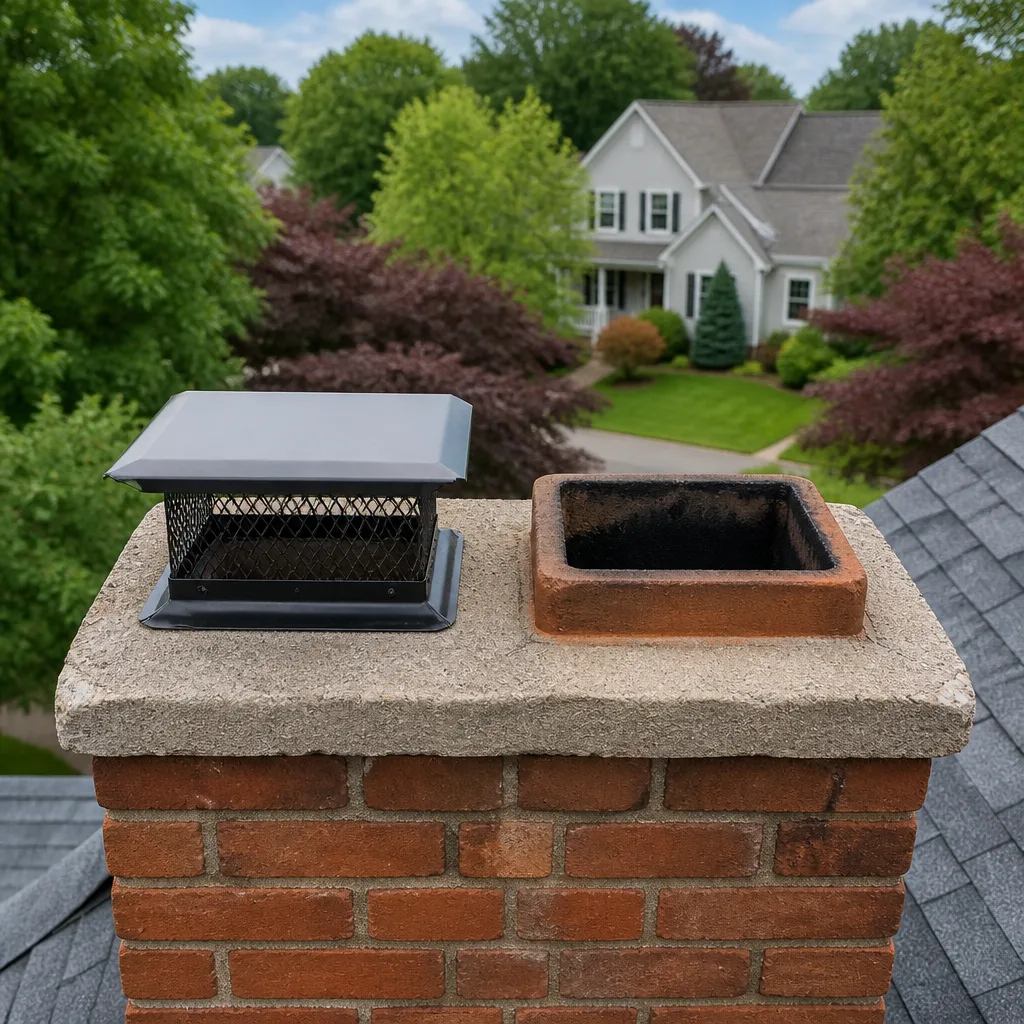 Sweep & inspection
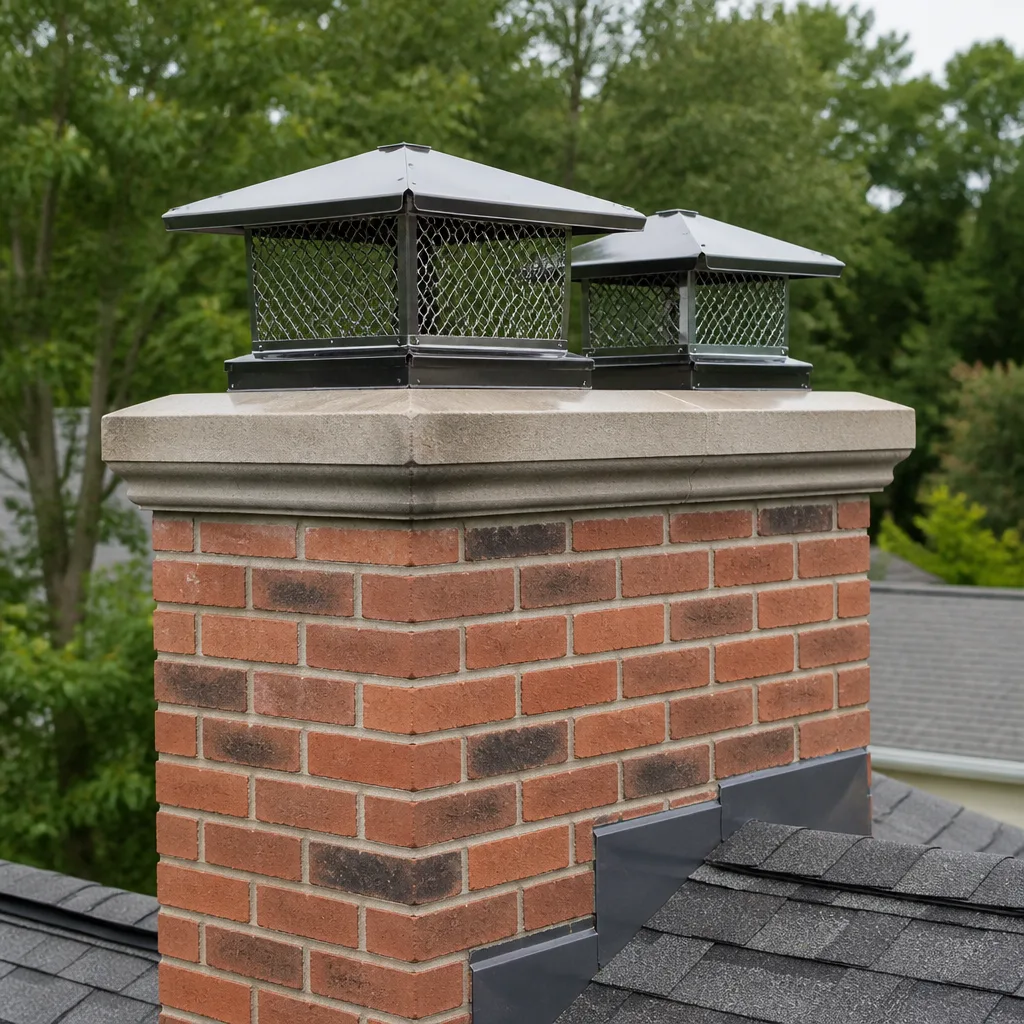 Caps & crowns
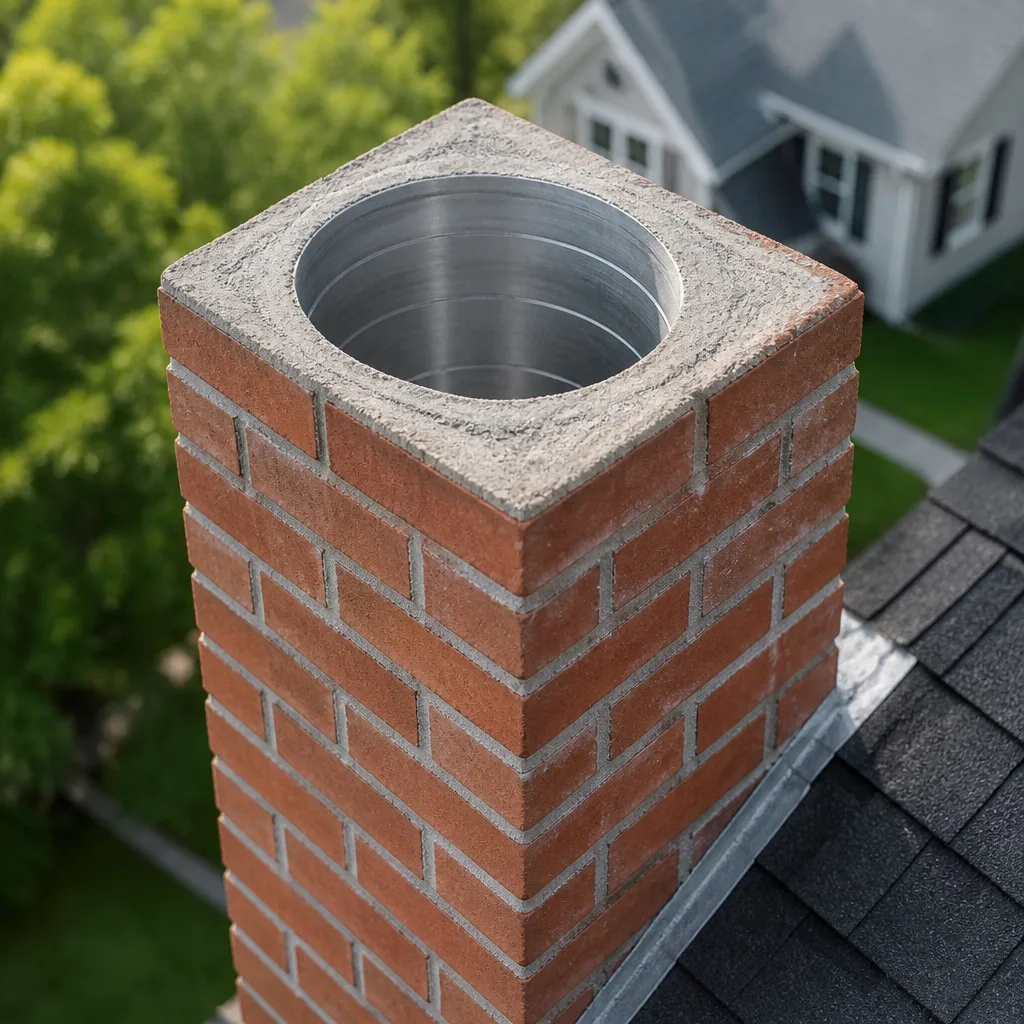 Flue relining
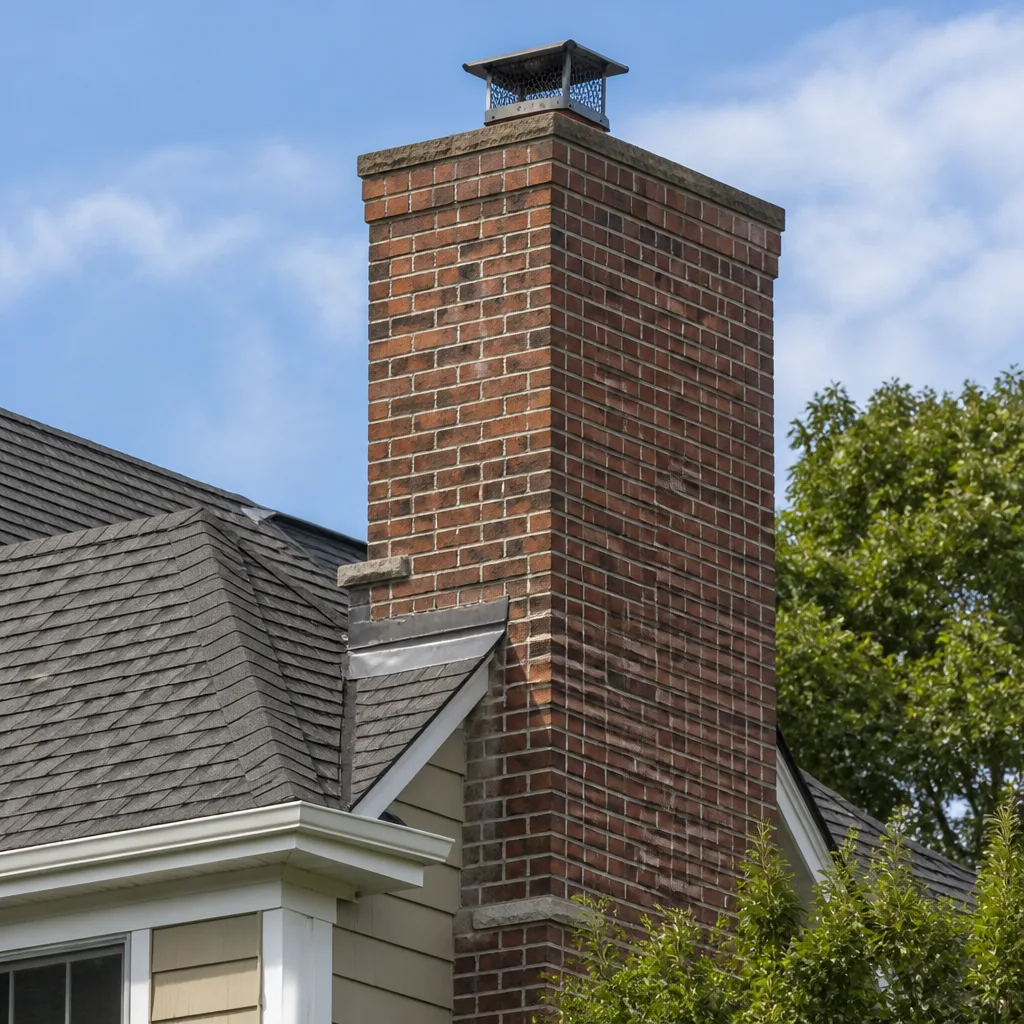 Masonry repair
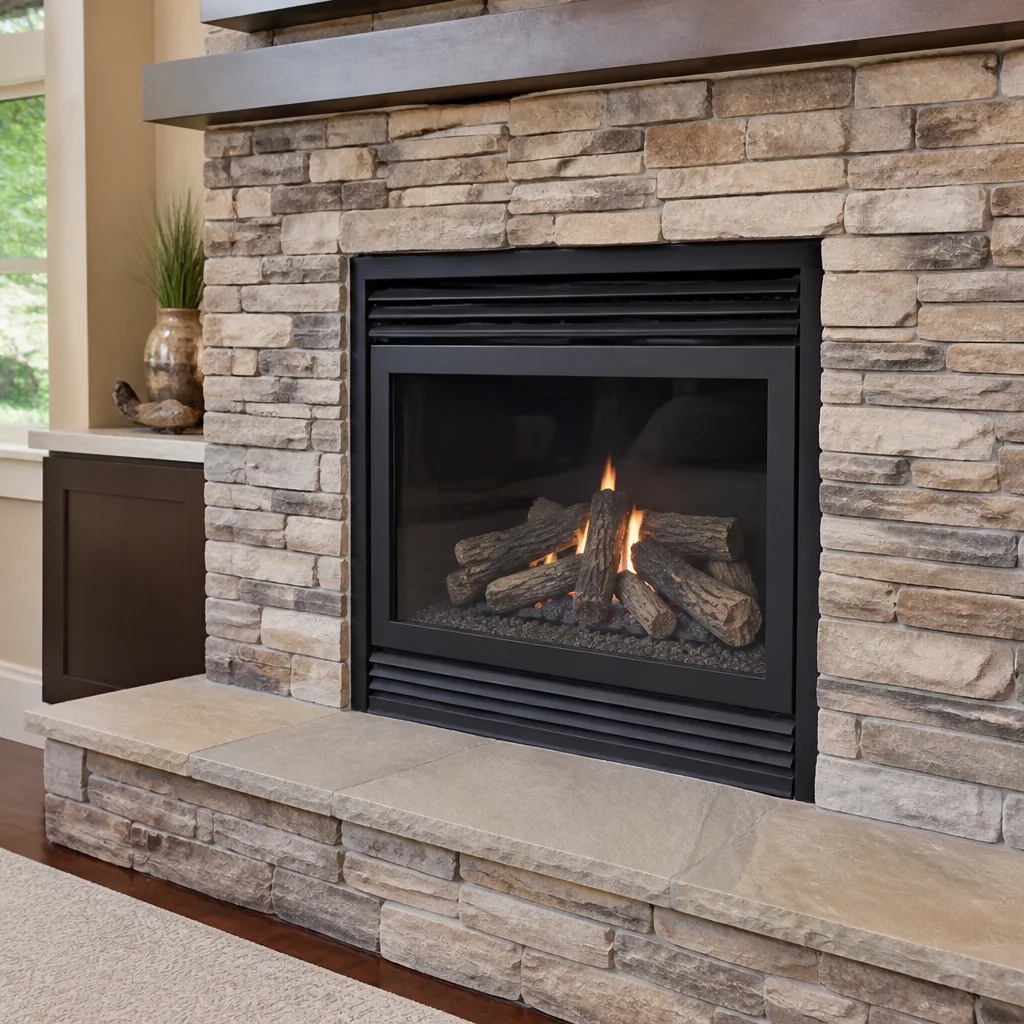 Gas fireplace service
Level 1 sweep and inspection to the NFPA 211 annual standard - flue, crown, cap, and flashing checked and photographed
Chimney sweep logs do not sweep chimneys. They loosen some creosote - which then falls where a brush and vacuum still have to collect it.
Chimney Cleaning Cost Breakdown: The Murray Homeowner’s Reference for 2026
One chimney company quotes you $89. Another quotes $349. Both call it a “chimney cleaning and inspection.” They are not offering the same thing, and the gap between them is not profit. It’s what happens when the camera goes into the flue versus when it doesn’t. In Murray, the range between a bare-bones sweep and a documented sweep-plus-inspection is wide enough that comparing the two numbers side by side tells you almost nothing. This reference breaks down what each line item actually covers, what a low quote tends to skip, and how to read two estimates as if they described the same work. We’ll walk through real cost ranges for the Murray market in 2026 and show you where the money goes.
Quick Answer
A standard chimney sweep in Murray typically runs $150 to $280, and a sweep bundled with a Level 1 inspection usually lands between $200 and $350. Add a Level 2 video inspection and you’re generally in the $300 to $500 range, while creosote treatment, crown sealing, or cap replacement push a single visit toward $400 to $900 depending on what’s found. The written estimate sets the final price, and every quote should spell out whether a camera inspection is included.
Styles & brands we work with
- Sweep & inspection
- Caps & crowns
- Flue relining
- Masonry repair
- Gas fireplace service
Table of Contents
- What does a base chimney sweep cost in Murray in 2026?
- Line-item breakdown: what each part of the job adds
- How to read a low-ball quote: three things a cheap sweep skips
- The cost of deferred maintenance: cleaning versus liner replacement
- How Murray’s high-desert climate affects chimney wear and cost
- When bundling repairs makes financial sense
- How to compare two estimates that don’t use the same scope
- Common mistakes to avoid
What does a base chimney sweep cost in Murray in 2026?
A base chimney sweep in Murray typically costs $150 to $280 for a standard single-flue fireplace. That price covers the mechanical cleaning itself: brushing the flue, scraping the firebox, removing soot and creosote from the smoke chamber and damper area, and hauling the debris away. What it does not automatically include is any inspection beyond a visual glance up the flue from the firebox.
That distinction matters more than the price tag. Cleaning without video inspection is an incomplete scope, because a brush can remove what’s reachable while missing a cracked flue tile, a bird’s nest above the damper, or a joint that’s begun to fail. You can’t see those from the hearth, and neither can a technician with a flashlight and a good attitude. When we quote a sweep at Murray Chimney Sweep, the price reflects whether a camera goes in. That single line item is the biggest reason two “cleaning and inspection” quotes for the same Murray house can sit $200 apart.
The base range shifts with a few practical factors:
- Number of flues. A single-flue fireplace is the lower end. A two- or three-flue masonry chimney with a furnace and water heater venting through it costs more because each flue needs cleaning and inspection.
- Creosote stage. Stage 1 (light soot) brushes out easily. Stage 2 (flakey, crusted) takes longer. Stage 3 (glazed, tar-like) is a fire hazard and usually needs chemical treatment before brushing, which pushes the price toward the top of the range or above it.
- Access and height. A chimney that requires roof access with a steep pitch or a tall stack adds labor time.
- Debris load. Nests, leaves, and years of accumulated soot take longer to clear than a chimney that’s been cleaned regularly.
Our technicians have up to 15 years of experience, and they’ll tell you plainly when a chimney is in good shape versus when it needs more than a sweep. A chimney sweep that comes with a documented inspection is the baseline we work from. If you’re pricing the job for the first time, a sweep plus a Level 1 inspection is the scope to compare against, not the sweep alone.
Line-item breakdown: what each part of the job adds
Every chimney visit is a stack of line items, and each one has a job. Understanding what each adds, and when it’s warranted, is how you read an estimate without guessing. The table below shows the typical range for each line item in the Murray market in 2026; the total on your estimate depends on which of these apply.
Typical line-item pricing in Murray
- Base sweep (single flue): $150 to $280
- Level 1 inspection (visual, included with most sweeps): $0 to $75 if itemized separately
- Level 2 video inspection (camera): $150 to $300
- Creosote treatment (chemical, for Stage 2 or 3): $100 to $250
- Crown sealing or repair: $250 to $600
- Chimney cap replacement: $150 to $450
- Flue resurfacing (HeatShield): $800 to $2,500
- Liner replacement (DuraFlex or similar): $2,500 to $6,000
Here’s what each one actually does:
- Level 1 inspection. A visual check of the firebox, damper, smoke chamber, and as much of the flue as can be seen from the hearth and the roof. This is the minimum standard for a chimney that’s been regularly maintained and has no known problems. It’s often folded into the sweep price rather than itemized.
- Level 2 video inspection. A camera run through the full length of the flue, recorded, and shared with you. This is what a real scope looks like. It’s warranted after any chimney fire, after a change in fuel type or appliance, when you’ve just bought a home, or when the visual inspection turns up anything that needs a closer look.
- Creosote treatment. For Stage 2 or 3 buildup, a chemical treatment softens the glazed layer so it can be brushed without damaging the flue. Skipping this step on a Stage 3 chimney is how fires start.
- Crown sealing or repair. The crown is the concrete cap at the top of the chimney. A cracked crown lets water in, and water is the leading cause of long-term chimney damage. Sealing or rebuilding it addresses the root cause, not just the symptom.
- Cap replacement. A proper cap keeps rain, birds, and squirrels out of the flue. A missing or damaged cap allows water infiltration and animal nesting, both of which shorten the flue’s life.
- Flue resurfacing. HeatShield is a resurfacing material applied to the inside of a flue that’s cracked or pitted but not structurally failed. It restores a smooth, sealed surface without a full liner replacement.
- Liner replacement. When the original clay tiles are cracked, misaligned, or missing, a new stainless liner (DuraFlex is one of the systems we work with) is the durable fix. This is the biggest single-ticket item on the list and the one most often driven by deferred maintenance.
We quote these as separate items because they’re separate jobs. Bundling every possible line item into a single “chimney package” price makes the estimate hard to check. A line-item estimate lets you see what you’re buying and decide, line by line, what’s warranted now and what can safely wait.
How to read a low-ball quote: three things a cheap sweep skips
When a quote comes in far below the Murray market range, it’s almost always missing one of three things. Knowing what those are lets you ask the right question before you book.
The first thing skipped is the camera. A $99 sweep that advertises “inspection included” is typically a flashlight glance up the flue from the firebox. That’s a visual look, not a diagnostic. It cannot see a cracked flue tile six feet up, a failed joint at the smoke shelf, or creosote glazing above the damper. Without a camera, the technician is guessing, and so are you.
The second thing skipped is the creosote treatment. A cheap sweep brushes what comes off easily and moves on. Stage 2 and 3 creosote doesn’t come off with a brush. It needs a chemical treatment that takes time and product. A sweep that skips it leaves the most flammable layer in the flue and calls the job done.
The third thing skipped is the report. A proper inspection produces a document: what was checked, what was found, what it means, and photos or video you can keep. A cheap sweep produces a receipt. If something goes wrong later, the receipt tells you nothing. When you’re comparing quotes, ask each provider three questions:
- Does the price include a video inspection of the full flue, and do I get the footage?
- How do you handle Stage 2 or 3 creosote if you find it?
- What documentation do I receive after the visit?
If the answer to any of those is vague, the low number isn’t a bargain. It’s a smaller scope with a smaller price. A sweep without an inspection is just guesswork, and it’s the most expensive kind because it lets problems grow quietly until they’re structural.
The cost of deferred maintenance: cleaning versus liner replacement
An annual chimney cleaning in Murray typically costs $150 to $280. A liner replacement, when a chimney has gone four or more years without cleaning, typically costs $2,500 to $6,000. That comparison is the whole argument for keeping up with the annual visit. The cleaning is a small, predictable expense. The liner is a large one that shows up only when the small expense was skipped.
How does skipping a cleaning turn into a liner bill? Creosote accumulates in layers. Once it reaches Stage 3 (glazed, tar-like), a chimney fire becomes possible. Even a small chimney fire can crack clay flue tiles. Once the tiles are cracked, the flue is no longer sealed, and the fix is either a resurfacing job with HeatShield (if the damage is limited) or a full stainless liner. Neither is a small bill.
Water does the same thing more slowly. A cracked crown or a missing cap lets rain in year after year, and the freeze-thaw cycles in Murray’s high-desert climate work that moisture into the masonry. Spalling brick, crumbling mortar, and a failed flue liner are the typical results. The crown work that would have prevented it is a $250 to $600 line item. The masonry and liner work that follows is a multiple of that.
We’ve seen this pattern often enough that we quote the annual visit as a maintenance cost, not a luxury. When we’re in a Murray home, our goal is to catch the small problems while they’re still small, and to tell you honestly when something can safely wait. Nothing gets recommended without camera evidence you can see for yourself. That’s not a sales pitch. It’s the difference between a chimney that gets a $200 visit every year and one that gets a $3,500 repair every decade.
How Murray’s high-desert climate affects chimney wear and cost
Murray sits in the Salt Lake Valley, which means hot, dry summers, cold winters with real freeze-thaw cycling, and a burning season that runs from roughly October through March. That combination shapes what a chimney actually needs here, and it’s not the same list a coastal or humid-climate homeowner would get.
The freeze-thaw cycle is the big one. Moisture gets into masonry, freezes overnight, expands, and thaws the next day. Repeat that a few hundred times over a winter and even small cracks in the crown or mortar joints widen. That’s why crown sealing matters in Murray more than it does in milder climates: the crown is the first line of defense against water getting into the masonry in the first place. A sound crown with a proper cap keeps most of that water out. A cracked crown lets it in, and the freeze-thaw cycle does the rest.
The long, dry summers matter in a different way. Chimneys that sit unused for six months can collect debris: leaves, nests, and the occasional squirrel. A cap blocks most of it. A missing cap lets it all in, and a chimney that’s been blocked all summer is a chimney that won’t draft properly when you light the first fire in the fall.
The burning season itself is when creosote forms. Wood smoke cools as it rises through the flue, and the creosote in it condenses on the walls. The cooler the flue runs, the more creosote deposits. That’s why an annual sweep before the season starts, not after, is the sensible schedule in Murray. You clear last season’s buildup before this season adds to it. If you’re booking a visit for the year ahead, the right time in Murray is late summer or early fall, before the first cold snap brings every fireplace in the valley online at once.
When bundling repairs makes financial sense
Bundling a sweep with minor repairs in a single visit usually saves money, because the trip, the setup, and the roof access are already accounted for. The trick is knowing which repairs belong in that bundle and how to ask for them.
Here’s how to approach it:
- Ask for a line-item estimate before the visit. Give the provider your address and describe the fireplace, the chimney, and any known issues. A good provider will quote the sweep and the likely repairs as separate lines so you can see the bundle price versus the call-back price.
- Request that minor repairs be quoted as “if found” items. Crown sealing and cap replacement are the two most common add-ons, and both can be priced in advance as conditional line items. If the sweep finds a cracked crown, you already know what it costs to fix it in the same visit.
- Keep major repairs separate. Liner replacement and HeatShield resurfacing are big enough jobs that they deserve their own estimate and their own visit. Trying to fold them into a routine sweep rarely saves money and often rushes the diagnosis.
- Get the estimate in writing and confirm what’s included. The written estimate sets the final price. If the number on the invoice doesn’t match the estimate, that’s a conversation to have before any work starts.
What you’re trying to avoid is the callback cycle: a sweep today, a separate visit next month for the cap, another visit the month after for the crown. Each visit carries its own trip and setup, and the total is higher than the bundle would have been. When a provider quotes the sweep and the likely repairs in one estimate, you can see exactly what bundling saves. That’s the version of the estimate to ask for.
How to compare two estimates that don’t use the same scope
Two estimates for “chimney cleaning and inspection” in Murray can differ by 300% and both be accurate for what they cover. The only way to compare them is to normalize the scope first. Here’s a simple method:
- Write down the scope of each estimate in the same terms. For each one, note: Is a camera inspection included? Is the inspection recorded and shared? Is creosote treatment included if Stage 2 or 3 is found? Is a written report provided?
- Identify which line items are missing from the cheaper quote. If the low quote doesn’t include the camera, add the typical cost of a Level 2 video inspection ($150 to $300) to see what the like-for-like comparison looks like.
- Check the creosote provision. Ask what happens if Stage 3 creosote is found. A quote that doesn’t address it is a quote that will grow on the day of the visit.
- Compare the reports, not just the prices. The deliverable matters as much as the work. A recorded video inspection and a written report are the things you’ll rely on if you ever sell the house or need to make a repair decision down the line.
When the scopes line up, the prices usually do too. The gap that looked like a 300% difference is often a 20% to 30% difference once the missing line items are added back in. Our chimney repair estimates are built to be compared this way, line by line, so you can see what’s included and what isn’t without having to decode it. If you’re also considering fireplace work, our fireplace repair estimates follow the same format.
Common Mistakes to Avoid
- Booking the cheapest sweep and assuming the inspection is included. At the bottom of the market, “inspection” usually means a flashlight glance. Ask specifically whether a camera goes into the flue before you book.
- Skipping the annual visit because the fireplace “seems fine.” Creosote accumulation and cracked flue tiles are invisible from the hearth. A chimney that drafts well can still be one fire away from a problem. The annual sweep plus inspection is how you know.
- Waiting until the first cold week to book. In Murray, every fireplace in the valley comes online around the same time. Booking a sweep in late summer or early fall gets you a better slot and lets any repair found be completed before burning season starts.
- Ignoring a cracked crown because it’s “just cosmetic.” The crown is the chimney’s roof. A crack in it lets water into the masonry, and Murray’s freeze-thaw cycles turn that water into structural damage over a few winters. It’s a small repair now and a large one later.
- Accepting a verbal estimate over the phone. A price without a scope and a written estimate isn’t a price you can compare. Get the line items in writing, confirm what’s included, and hold the provider to the written number.
- Treating a liner replacement quote as the first option when resurfacing might do. If the flue damage is limited, HeatShield resurfacing can restore the surface at a fraction of a full liner cost. A provider who works with both will tell you which applies, and why.
- Forgetting the cap. A missing or damaged cap is one of the most common causes of water infiltration and animal nesting. It’s a small line item and one of the highest-value ones on the list.
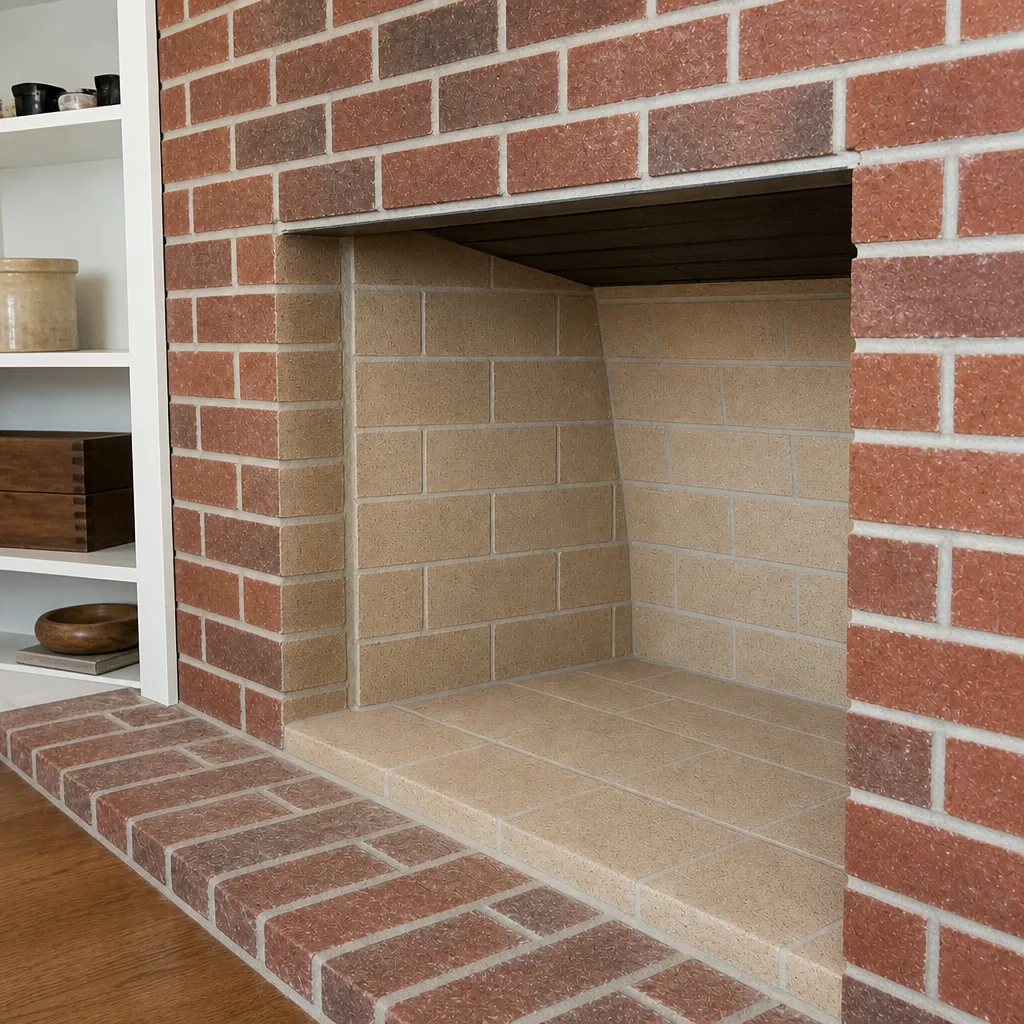
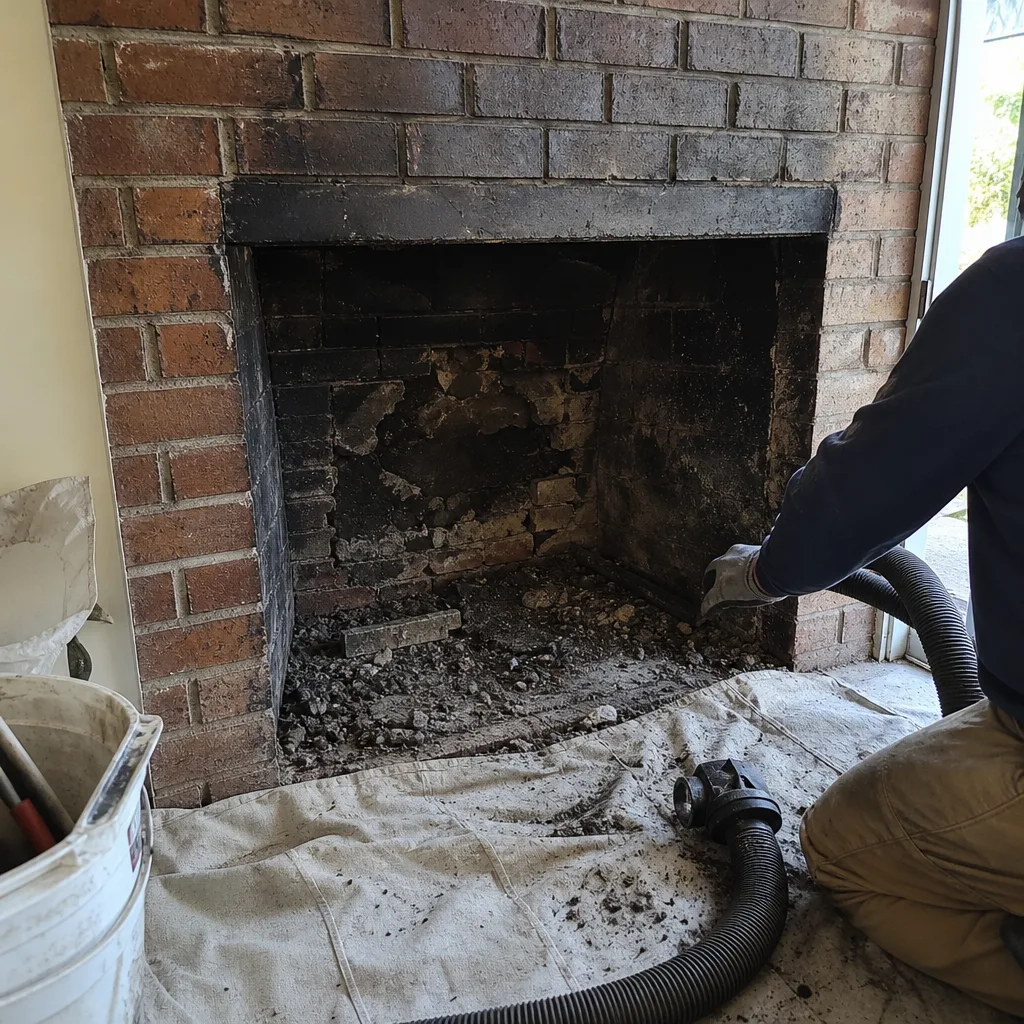
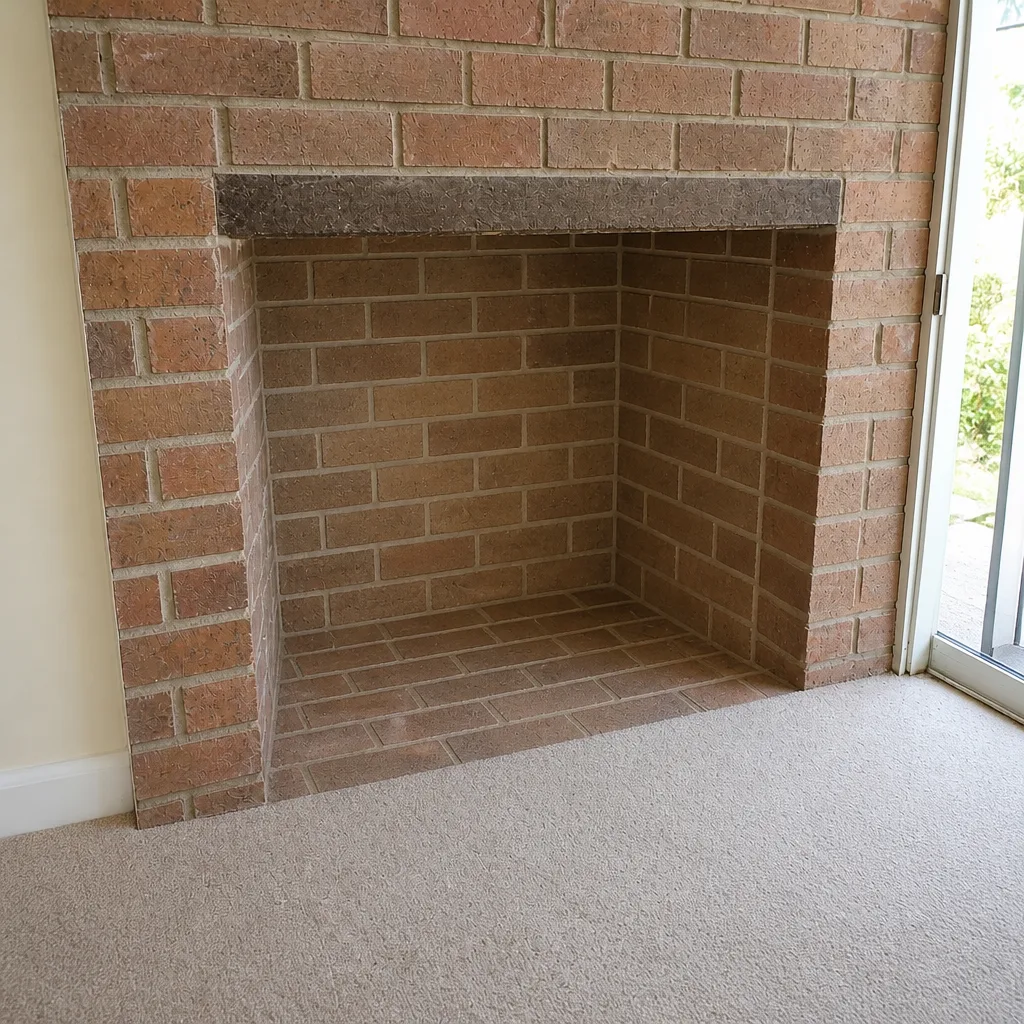
See the difference
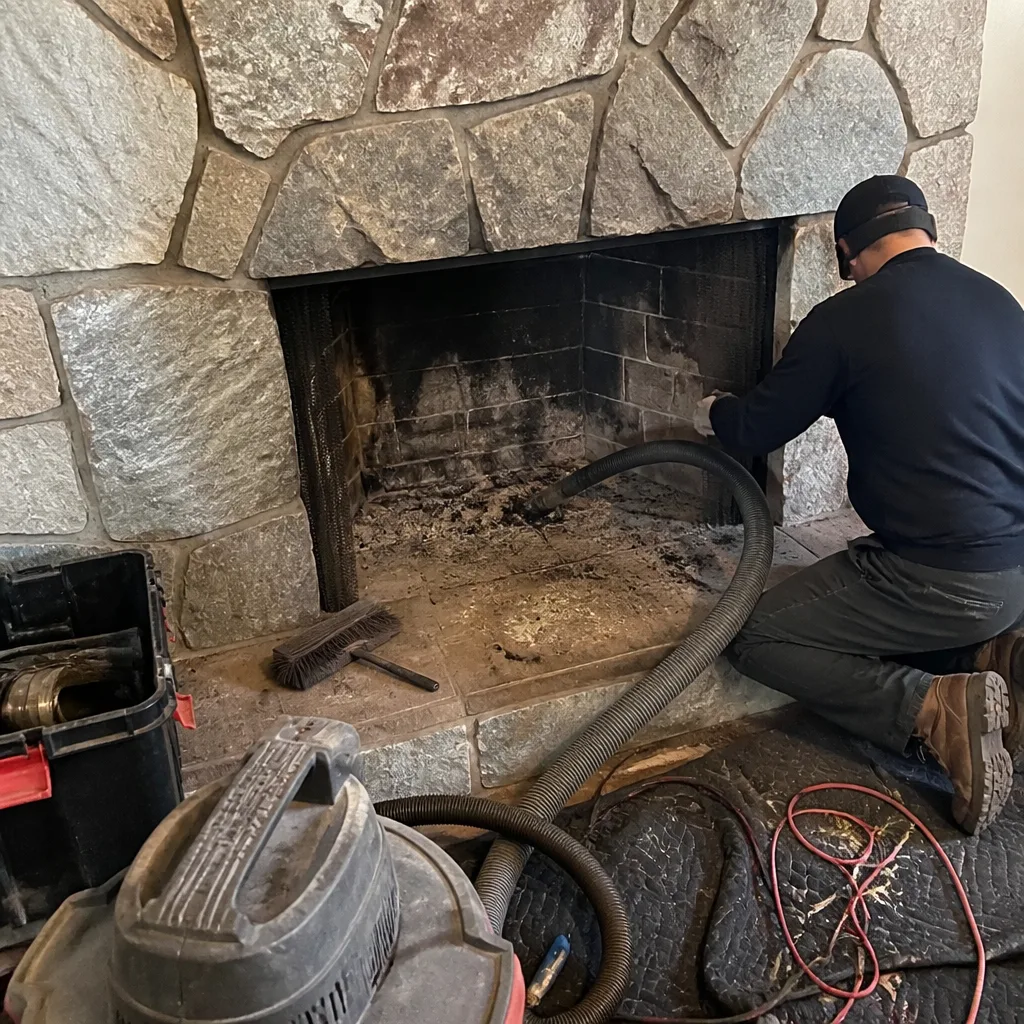 Before
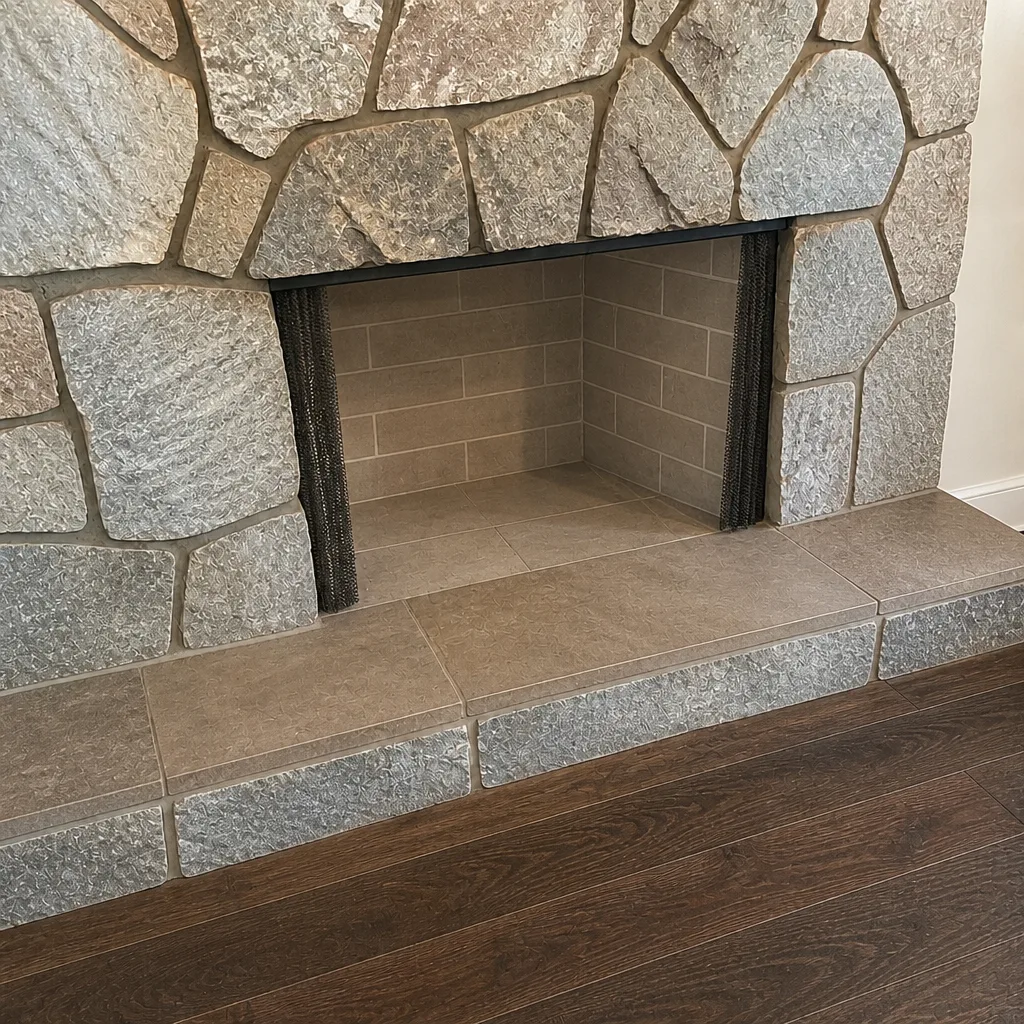 After
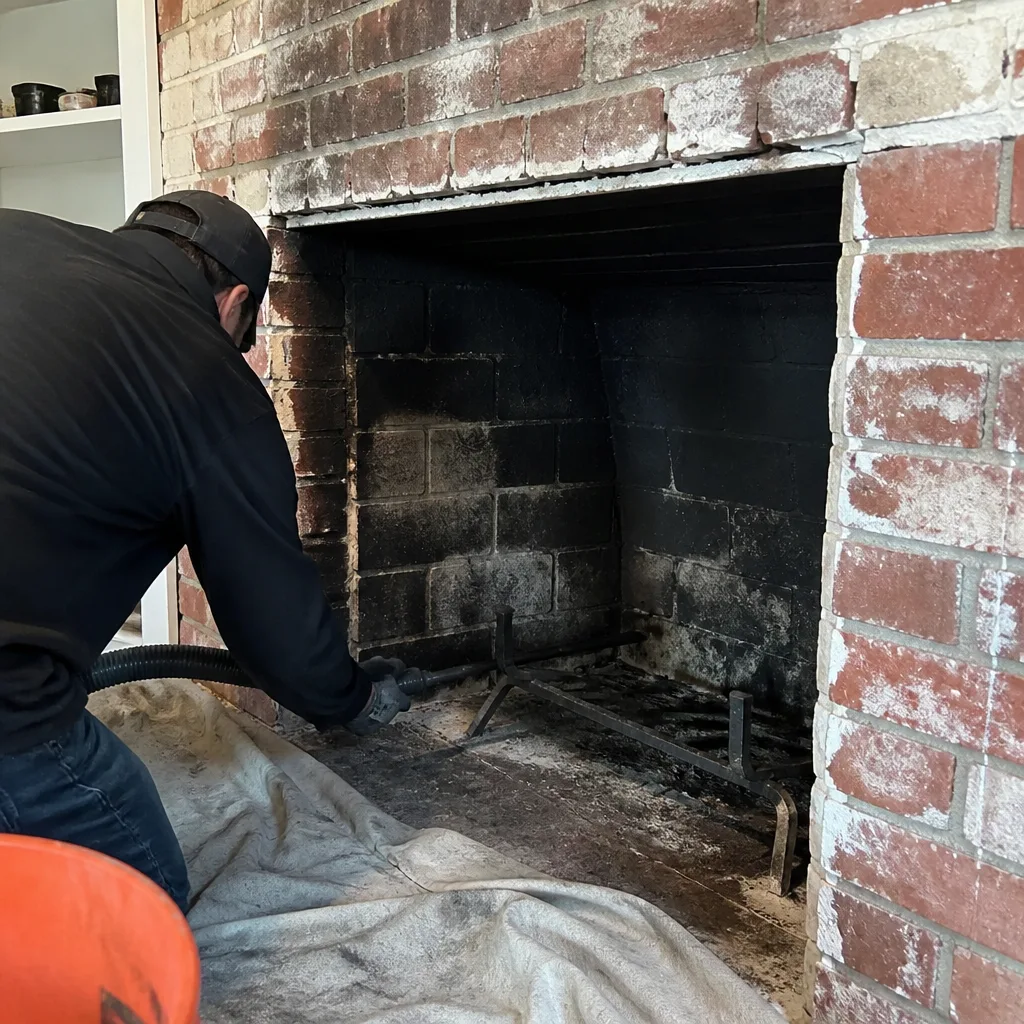 Before
 After
 Before
 After
When to Call a Professional
Some chimney issues are safe to watch. Others need a professional on the roof, and quickly. Call a professional if you notice a strong creosote smell in the house even when the fireplace isn’t in use, if smoke backs into the room when you light a fire, if you can see cracked or missing mortar at the crown or along the chimney exterior, if there’s water staining on the ceiling or walls near the chimney, or if it’s been more than a year since the last cleaning. Those are signals worth acting on before the burning season. Our technicians have up to 15 years of experience working with professional-grade materials including DuraFlex and HeatShield, and we handle the full chimney, from the firebox to the crown. Murray Chimney Sweep offers free estimates in Murray. Call (833) 468-3004 to book one. We answer 24/7. Fast dispatch from 7am to 7pm, Sunday through Friday.
Frequently Asked Questions
A basic chimney sweep in Murray typically costs $150 to $280, and a sweep with a Level 1 inspection usually runs $200 to $350. If a Level 2 video inspection is included, expect $300 to $500. The written estimate sets the final price, and the scope should be spelled out line by line. Call (833) 468-3004 for an exact quote; estimates are free.
A sweep alone is not enough to know the condition of your flue, because a brush can only clean what it reaches. A Level 2 video inspection shows you the inside of the flue, including the parts a visual check can’t see, and gives you recorded evidence of what’s actually there. It’s especially important after a chimney fire, when buying a home, or when the visual inspection turns up anything that needs a closer look. Call (833) 468-3004 to schedule one in Murray; estimates are free.
Once a year for a fireplace that gets regular use, ideally before burning season starts. Murray’s winters are long enough that most fireplaces see steady use from October through March, and creosote accumulates with every fire. An annual sweep clears the buildup before the next season adds to it, and the inspection catches small problems while they’re still small. Call (833) 468-3004 to book your annual visit; estimates are free.
Creosote keeps accumulating, and once it reaches Stage 3 (glazed, tar-like), the flue becomes a fire hazard. A chimney fire can crack the clay flue tiles, and once they’re cracked, the fix is either HeatShield resurfacing or a full liner replacement, both of which run into the thousands. Water infiltration from a cracked crown or missing cap does similar damage more slowly. An annual cleaning at $150 to $280 is the cheap version of this story. Call (833) 468-3004 if you’re not sure when your chimney was last cleaned; estimates are free.
Usually, yes, and it’s the more economical way to do it. Crown sealing and cap replacement can both be quoted as conditional line items on the same estimate, so if the sweep finds a cracked crown or a missing cap, the repair is priced and can be done in the same visit rather than scheduled as a callback. Larger repairs like liner replacement are best quoted and scheduled separately. Call (833) 468-3004 to work out the scope; estimates are free.
Yes, and it’s one of the highest-value line items on the list. A cap keeps rain, birds, and squirrels out of the flue, and it blocks the summer debris that would otherwise block your draft when the first cold snap comes. With Murray’s freeze-thaw winters, keeping water out of the flue is the difference between a chimney that lasts and one that needs masonry work. Caps typically run $150 to $450 installed. Call (833) 468-3004 to price one for your chimney; estimates are free.
The Bottom Line
Chimney cleaning costs in Murray range from roughly $150 for a basic sweep to $500 or more for a sweep with a full video inspection, and the gap between the low and high quotes is scope, not margin. The base sweep cleans the flue; the inspection tells you what condition it’s in; the repairs address what the inspection finds. Comparing quotes means normalizing the scope first, line item by line item, and asking specifically whether a camera goes in. The routine annual visit is a small, predictable expense. The liner replacement that follows four skipped years is not. That’s the whole financial case for keeping up with it. If you’re ready to price a sweep or an inspection for your Murray home, we’re glad to walk through the line items with you and put it in writing.
Call (833) 468-3004 for a free estimate. We answer 24/7. Fast dispatch from 7am to 7pm, Sunday through Friday. At Murray Chimney Sweep, we quote each line item separately so you can see exactly what you’re comparing, and nothing gets recommended without camera evidence you can see for yourself.
Written by the team at Murray Chimney Sweep.