
Last updated November 24, 2026
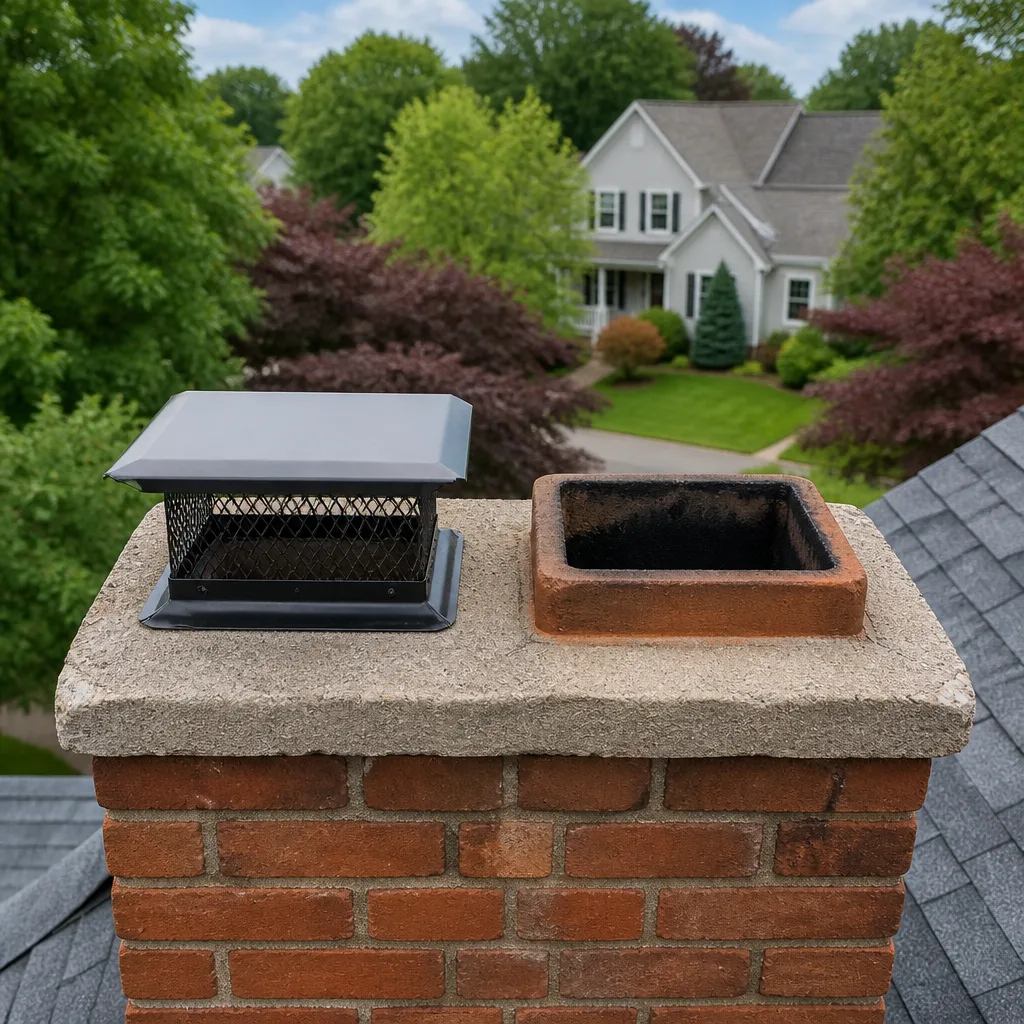 Sweep & inspection
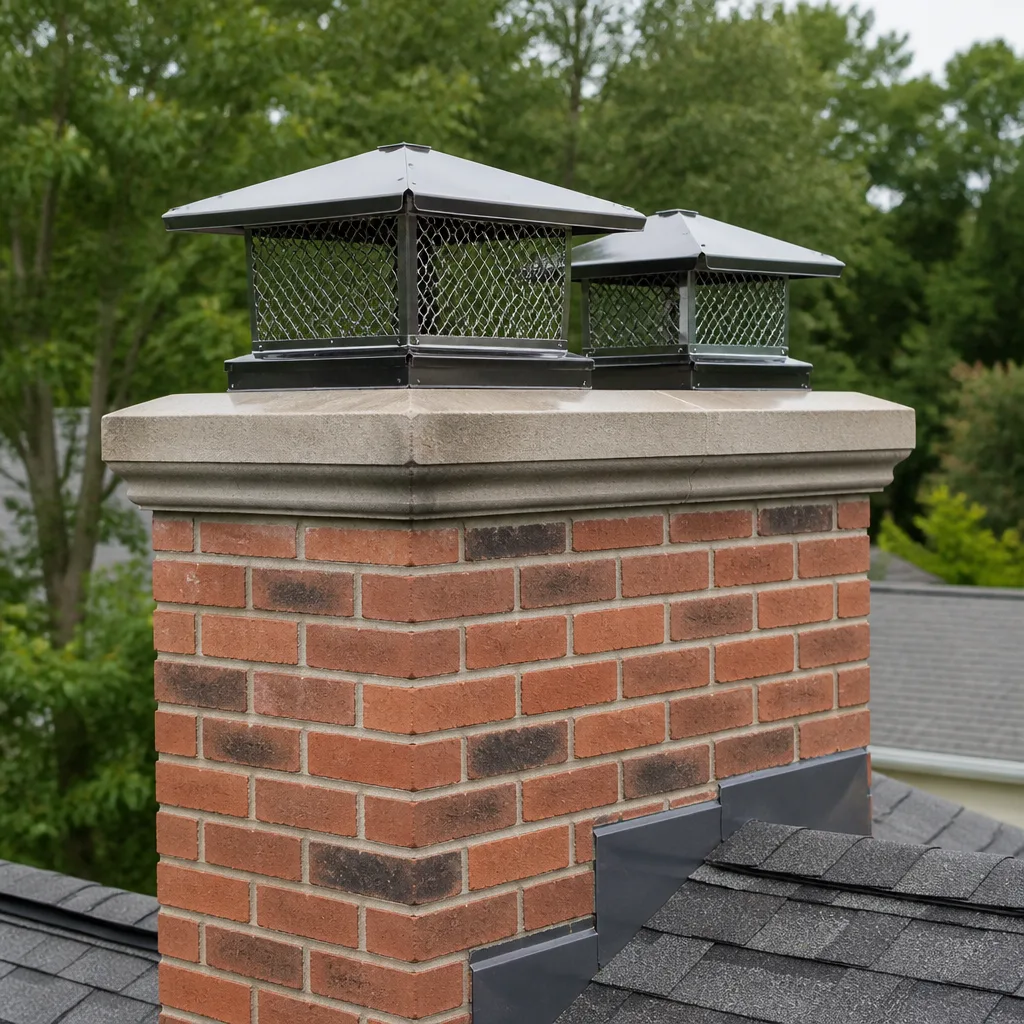 Caps & crowns
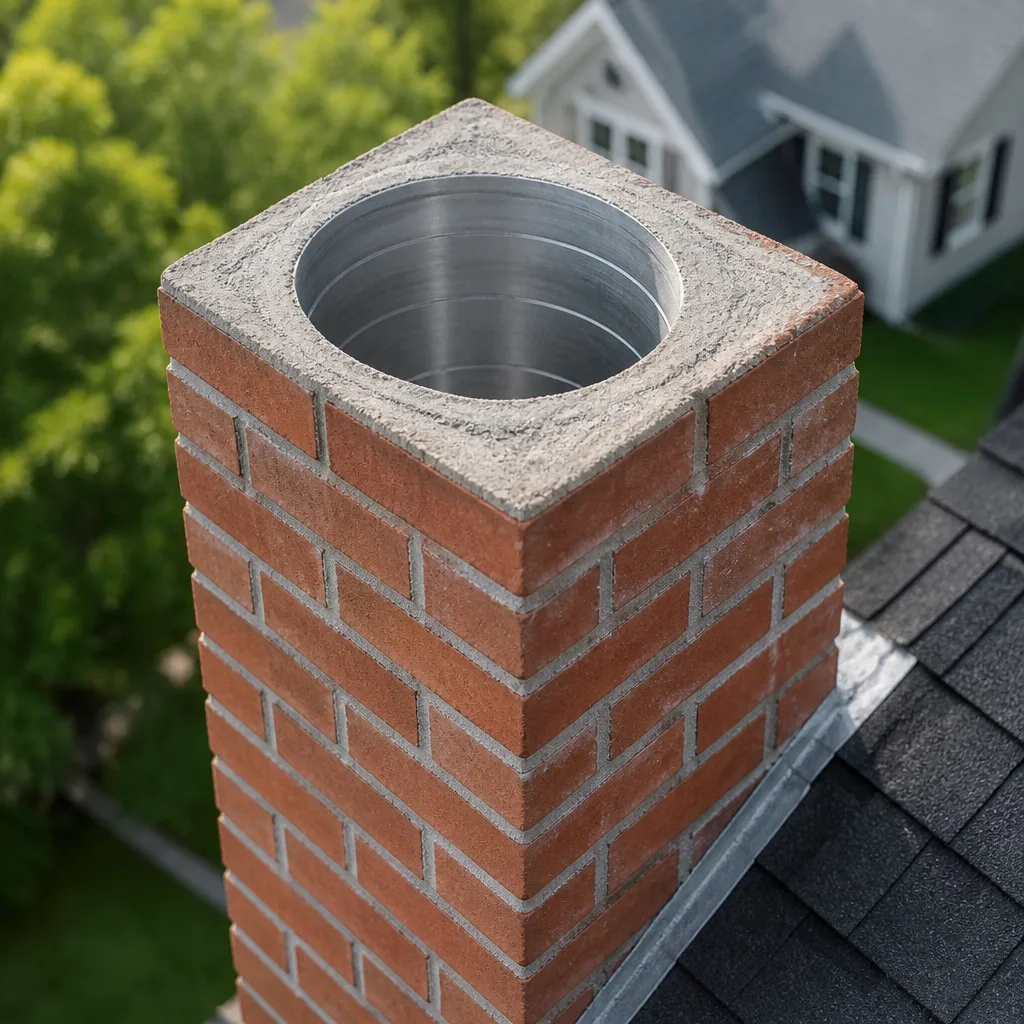 Flue relining
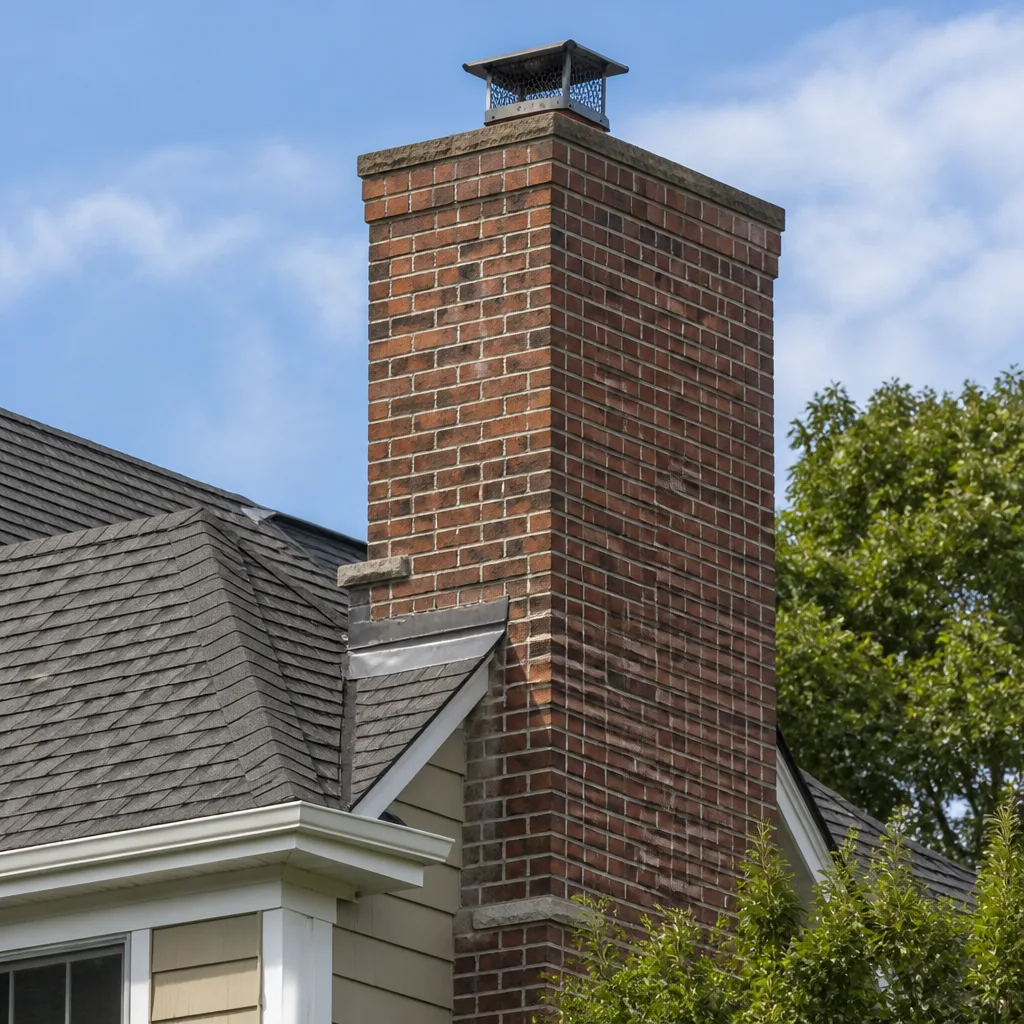 Masonry repair
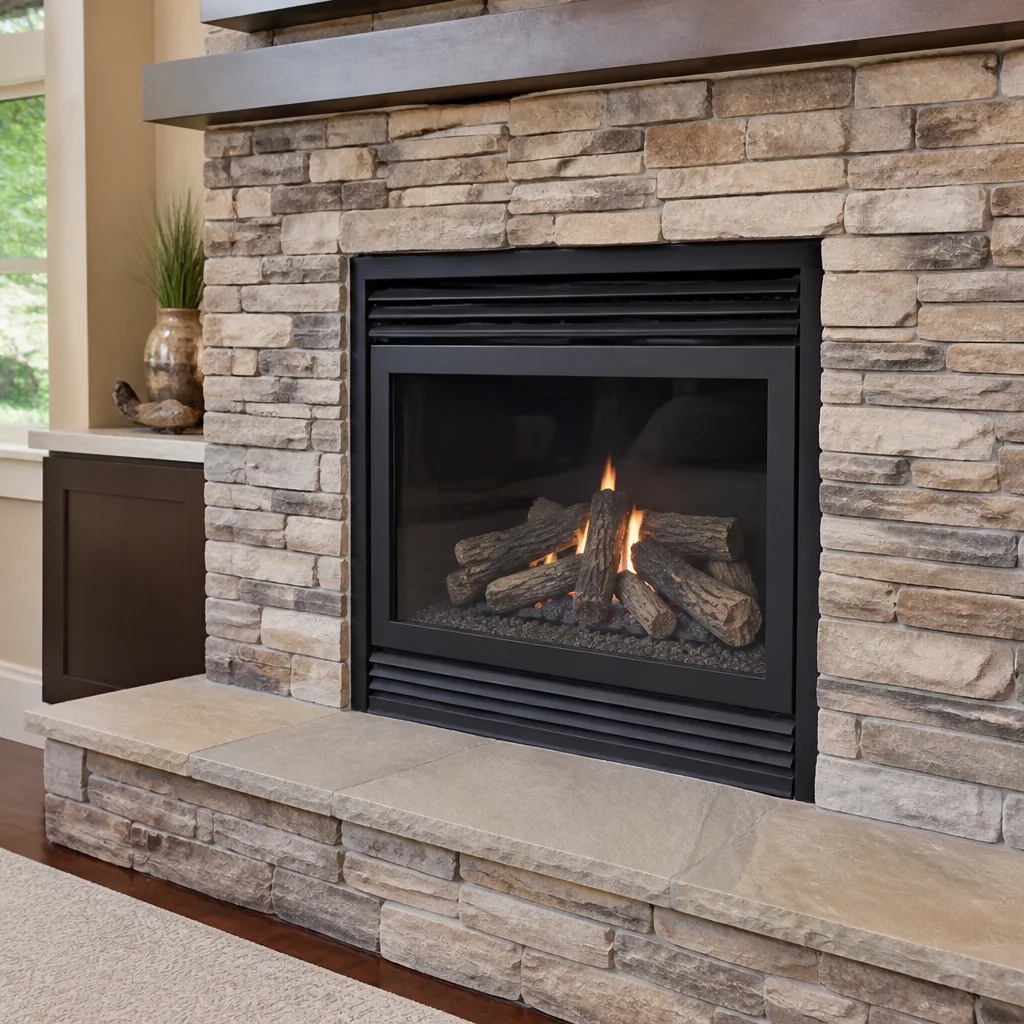 Gas fireplace service
Level 1 sweep and inspection to the NFPA 211 annual standard - flue, crown, cap, and flashing checked and photographed
Chimney sweep logs do not sweep chimneys. They loosen some creosote - which then falls where a brush and vacuum still have to collect it.
Chimney Cleaning Permits, Codes & Inspections in Murray, UT: What You Need to Know
No one pulls a permit to sweep a chimney. That part of the work is cleaning, and cleaning doesn’t touch your home’s structure. But here’s the part most Murray homeowners don’t plan for: a sweep often uncovers something else. A cracked flue liner. A crown that’s been quietly failing for years. A fireplace insert that was dropped in without documentation. The moment the work shifts from cleaning to repairing, the rules change – and a liner replacement or crown rebuild done without a permit leaves an unpermitted improvement sitting in your home’s record. That record surfaces during a sale, an appraisal, or an insurance claim, usually at the worst possible moment. This guide walks through what Murray City and Salt Lake County require permits for, how NFPA 211 and the International Residential Code apply to Utah chimneys, how to read an inspection report, and how to protect yourself when a sweep finds something that needs fixing.
Quick Answer
In Murray, UT, routine chimney cleaning does not require a permit, but structural and component work usually does. Liner replacement, fireplace insert installation, and structural crown or masonry rebuilds generally need a permit through Murray City’s building department, and all residential chimney work must meet NFPA 211 and IRC Section R1001 standards whether or not a permit is pulled. A proper inspection documents the chimney’s condition with photos and a written report, and that documentation is what protects you at resale and during an insurance claim.
Styles & brands we work with
- Sweep & inspection
- Caps & crowns
- Flue relining
- Masonry repair
- Gas fireplace service
Table of Contents
- What Does Murray City Actually Require a Permit For?
- How NFPA 211 and IRC Section R1001 Apply to Your Murray Chimney
- What a Code-Compliant Inspection Looks Like in Practice
- How to Request Inspection Documentation (And What It Should Contain)
- The Insurance Angle: Why Unpermitted Work Costs You Later
- Grandfather Clauses and Older Masonry Chimneys in Murray
- Murray’s Climate and What It Does to Chimneys
- Common Mistakes to Avoid
- When to Call a Professional
- Frequently Asked Questions
What Does Murray City Actually Require a Permit For?
The short version: cleaning is exempt, repair usually isn’t. Murray City’s building department follows the Utah Uniform Building Code, which adopts the International Residential Code with state amendments. Under that framework, the determining factor isn’t whether the work happens on a chimney – it’s whether the work alters the structure, the venting system, or a gas- or solid-fuel appliance connection. A sweep that removes creosote and soot doesn’t touch any of those. A liner replacement does. So does dropping in a new insert or rebuilding a crown.
Here’s how the work typically divides in our experience:
Work That Generally Does Not Require a Permit
- Routine sweeping and creosote removal
- Visual inspection (Level 1) of an accessible chimney
- Cap replacement where the cap is a simple friction-fit or screw-on accessory
- Minor firebox cleaning and ash removal
Work That Generally Does Require a Permit
- Relining a flue with a new liner (DuraFlex or similar stainless systems)
- Installing a fireplace insert, wood stove, or new appliance connection
- Structural crown rebuilds and any masonry reconstruction at the top of the chimney
- Altering the chimney’s height, footprint, or termination
- Any structural work that affects the chimney’s load-bearing connection to the house
The rule of thumb: if the work could affect how the chimney vents, how it holds together, or how it’s attached to your home, assume a permit is required until the building department tells you otherwise. Utah code allows local jurisdictions to layer additional requirements on top of the state code, and Murray City has its own permit schedule that’s worth confirming directly with the building department before any structural work begins. Ask your contractor which permits they plan to pull and who is pulling them. On a liner replacement or crown rebuild, “we don’t bother with permits for that” is not a reassuring answer. It usually means the contractor isn’t licensed to pull one, or is choosing not to.
For a discussion of what a standard chimney sweep involves without permits, that’s a good starting point before the conversation turns to repair work.
How NFPA 211 and IRC Section R1001 Apply to Your Murray Chimney
Two standards govern residential chimneys in Utah, and they work together. NFPA 211 is the National Fire Protection Association’s standard for chimneys, fireplaces, vents, and solid fuel-burning appliances. IRC Section R1001 is the International Residential Code’s chapter on chimneys and fireplaces. NFPA 211 covers the technical requirements – clearances, liner condition, wall thickness, cap and crown requirements, draft. IRC Section R1001 adopts many of those requirements into the building code, so a jurisdiction can enforce them during permitting and inspection.
What that means for a Murray homeowner is more practical than theoretical. The IRC establishes minimum requirements for the chimney’s construction, and NFPA 211 governs how it should be maintained and inspected. A chimney that met code at build time can fall out of compliance through wear alone – cracked liner tiles, a crumbling crown, deteriorated mortar joints. When a sweep looks at your chimney and says “this needs a liner,” what they’re really saying is that the flue no longer meets NFPA 211’s requirement that the liner maintain its integrity under the heat of a fire. That’s a code issue, not a comfort issue.
What “Code Compliant” Means in Practical Terms
A code-compliant inspection isn’t a pass/fail grade on your house. It’s an assessment of whether the chimney, as it stands, meets the standards the code sets. NFPA 211 defines three inspection levels:
- Level 1: A visual inspection of readily accessible portions of the chimney, fireplace, and appliance connections, without tools to open or dismantle anything. Appropriate for an annual checkup when the appliance hasn’t changed and there’s no known problem.
- Level 2: A more thorough inspection that includes accessible attic, crawlspace, and rooftop components, often with a camera to look inside the flue. Required after a chimney fire, after any change in appliance or fuel type, and on a real estate transaction.
- Level 3: A diagnostic inspection that requires opening walls or removing parts of the chimney to access concealed areas. Performed when a Level 1 or Level 2 inspection reveals a problem that requires it.
When a contractor tells you your chimney is “up to code,” ask which level of inspection they performed and what the report shows. A Level 1 inspection that never opened a cleanout or looked at the flue with a camera cannot honestly certify that the liner is sound. That distinction matters when it comes time to document the work.
What a Code-Compliant Inspection Looks Like in Practice
An inspection is a documented procedure, not a look-and-guess. Here’s what we’d expect a comprehensive inspection to include, and what you should see when it’s done.
The Walkthrough
The inspector checks the firebox, damper, smoke chamber, flue, crown, cap, and the chimney’s exterior. They confirm the appliance connection and verify clearances to combustible materials. In a Murray home, that often means checking the chase on a prefab unit, or confirming the mortar joints on a masonry chimney that’s been through many freeze-thaw cycles. The flue gets a camera sweep, especially on anything older than a decade, because the interior is where liner cracks hide.
The Camera Sweep
Camera inspection isn’t a sales tool, or it shouldn’t be. It’s the only way to see what’s happening inside the flue without opening the chimney. A camera sweep produces video or stills showing the liner’s condition from the firebox to the top. If a contractor recommends relining without showing you that footage, ask for it. Any reputable technician will hand it over.
The Written Report
A real inspection produces a written report that includes the inspection level performed, findings with photographs, and clear recommendations. It notes whether the chimney meets NFPA 211 requirements and identifies any condition that would require permitting to correct. The report is the piece that survives longer than the inspection – you’ll want it if you sell the house, refinance, or file a claim.
If the report turns up damage to the firebox or damper, that’s where fireplace repair enters the picture. If it turns up a failing liner or crown, the recommendation moves into chimney repair territory, and the permit question comes into play.
How to Request Inspection Documentation (And What It Should Contain)
You’re the one who keeps the paperwork, and the paperwork is what makes the difference at resale. Ask for documentation in writing before the work starts, not after. Here’s what to request, and what a complete package should contain:
- The inspection report itself. It should state the level of inspection, list the findings with photos, and give a recommendation for each finding. It should also note the inspector’s name or company, the date, and the reason for the inspection.
- Photo or video evidence. Any photo referenced in the report should be provided to you. If a camera inspection was performed, ask for the video file or stills.
- Permit documentation. If work requires permitting, ask for the permit number and the name of the contractor on the permit. Keep a copy of the final inspection card once the work is signed off.
- Materials documentation. On a liner replacement, ask which product was installed – DuraFlex, HeatShield restoration, Copperfield components – and keep the manufacturer’s documentation. Some products come with their own warranties, and those warranties require proof of professional installation.
- Before-and-after photos. On repair work, before-and-after photos of the same location show what changed and confirm the job was done as described.
If a contractor can’t produce items 1 through 3, that’s a signal worth paying attention to. Murphy’s law applies here: the paperwork that doesn’t exist is what gets asked for at the closing table.
The Insurance Angle: Why Unpermitted Work Costs You Later
Here’s the piece most Murray homeowners don’t think about until it’s too late. Homeowner’s insurance policies include a duty to maintain the property and a duty to disclose material facts. When a chimney fire or carbon monoxide incident happens, the insurer investigates the cause. If the investigation finds that a repair affecting the venting system was performed without a permit or inspection, the claim can be denied or reduced – not because you did anything wrong personally, but because the work that failed wasn’t documented to code.
Utah’s real estate disclosure rules require sellers to disclose known material defects and any unpermitted work that could affect the property’s value or safety. In practice, that means a liner replacement done without a permit becomes a disclosure item when you list – and buyers’ agents routinely ask for permit records on chimney work. When the record doesn’t exist, the buyer’s inspector notes it, the buyer asks for a credit, and the repair you already paid for gets re-diagnosed by someone else before closing.
The other angle is the insurance inspector’s view. Many insurers require documentation of chimney inspections on older homes anyway, and a documented Level 2 inspection with a code-compliant liner is easier to insure than a chimney whose last inspection is unrecorded. The permit isn’t paperwork theater. It’s the paper trail that says the work was done to standard and somebody inspected it. That trail is what you hand to the insurer, not the other way around.
If a sweep finds a problem and the recommendation is a repair, ask directly: does this work require a permit in Murray, and who pulls it? If the answer is “we don’t bother,” ask a second question: will you put in writing that the work meets NFPA 211 without an inspection? You’ll usually get a different answer.
Grandfather Clauses and Older Masonry Chimneys in Murray
Murray has a lot of older housing stock, and a good share of it includes masonry chimneys built well before the current code. Those chimneys were legal when they were built. The question is what “grandfathered” actually protects – and what it doesn’t.
Grandfather clauses generally protect existing construction from being brought up to current code when no work is being done. If your masonry chimney was built to the code in force at the time and hasn’t been altered, it can remain in service even if it doesn’t meet today’s stricter requirements. That’s the protection. What grandfather clauses don’t do is override the maintenance and safety standards in NFPA 211 once a problem develops. If the liner has cracked or the crown has failed, the chimney is no longer in safe working condition, and the grandfather clause doesn’t turn it back on.
Grandfather clauses also don’t travel with repairs. If you replace a liner or rebuild a crown, that specific work must meet current code, because you’re doing new work – not maintaining existing construction. That’s the point where the permit requirement attaches, and it’s also the point that protects you. A permitted, inspected liner replacement is documented new construction that meets today’s standard. A liner replacement done without a permit is neither current construction nor code-compliant existing construction. It sits in a gray zone that no one wants to explain to a buyer’s inspector.
What Older Murray Chimneys Usually Need
Masonry chimneys in Murray’s older neighborhoods have typically seen enough winters to develop issues the original builders couldn’t have predicted. The common findings:
- Cracked or spalled flue tiles, which are the most common reason a liner replacement gets recommended
- Crown cracking from freeze-thaw movement, which opens the top of the chimney to water
- Deteriorated mortar joints on the exterior, which allow water to enter the masonry and freeze
- Missing or damaged caps, which leaves the flue open to weather and animals
None of these require rebuilding the chimney. A HeatShield resurfacing application can restore a flue that’s cracked but structurally sound, and cap and crown work addresses water infiltration directly. We use HeatShield because it’s designed for exactly this repair – restoring the flue’s integrity without demolition. The right approach depends on what the inspection actually finds, not on what a sales call recommends.
Murray’s Climate and What It Does to Chimneys
Murray sits in the Salt Lake Valley, and the valley’s weather pattern is one of the more punishing environments a chimney can live in. Winters bring repeated freeze-thaw cycles – daytime melt, overnight freeze, repeat. That cycle pushes water into masonry cracks and mortar joints, expands it when it freezes, and widens the crack when it thaws. Over enough winters, a hairline crown crack becomes a failing crown. A cracked mortar joint becomes a hole water can travel through.
Utah also has inversions. During a winter inversion, the cold air sits trapped in the valley and traps emissions with it. That’s the reason the state issues no-burn days, and it’s the reason chimney draft matters here in a way it doesn’t in places with better air movement. A chimney with a drafting problem doesn’t just vent poorly – it can spill exhaust into the home instead of pulling it up and out. A Level 1 inspection checks draft as part of the standard, and a failed draft check is one of the findings that leads to repair recommendations.
The combination matters: a cracked crown lets water in, water freezes and cracks the liner, and a cracked liner increases the risk of a chimney fire or carbon monoxide exposure. Northern Utah’s freeze-thaw cycle plus winter inversions means the margin for a compromised chimney is thinner than in a milder climate. That’s why annual inspections make sense here, and why the inspection should include a draft check rather than just a visual scan of the firebox.
For a deeper look at the core services behind this, the Murray Chimney Sweep page covers the full scope of what we handle – from the firebox to the crown.
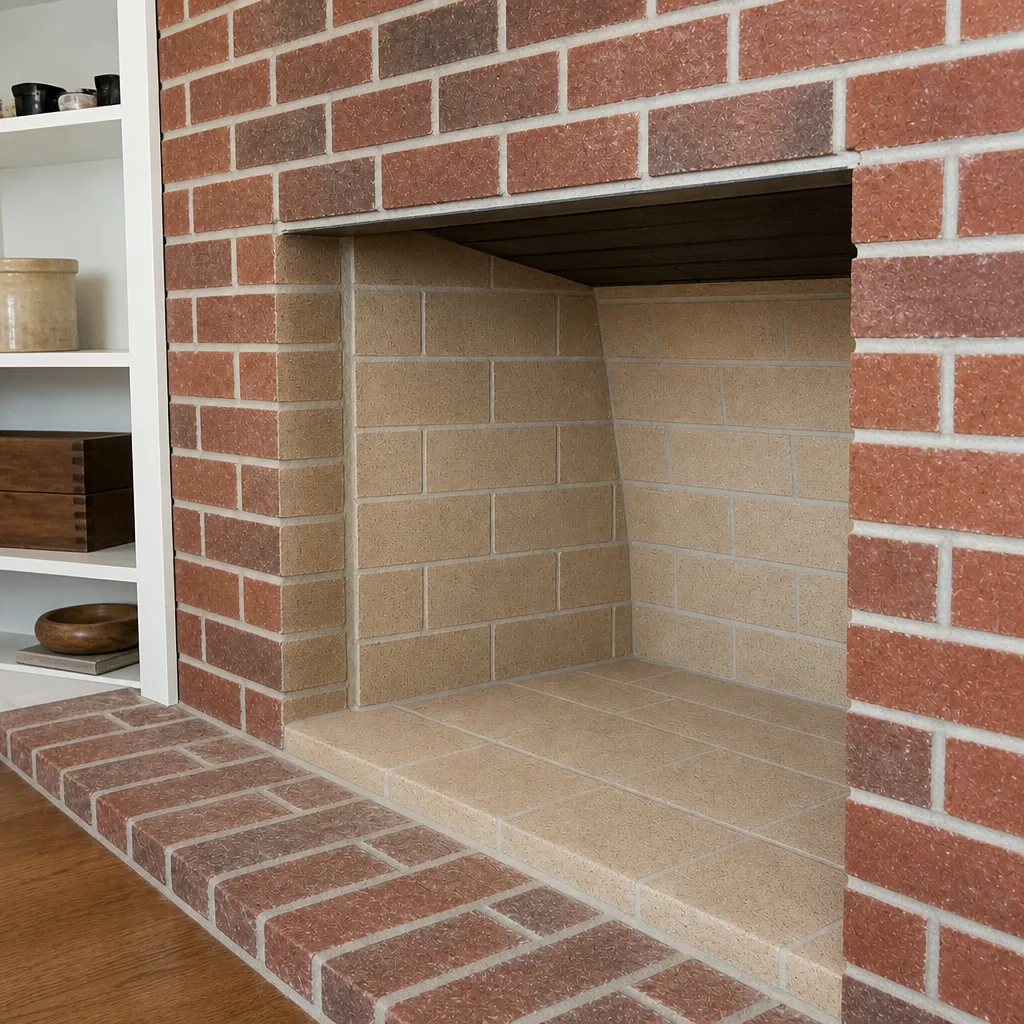
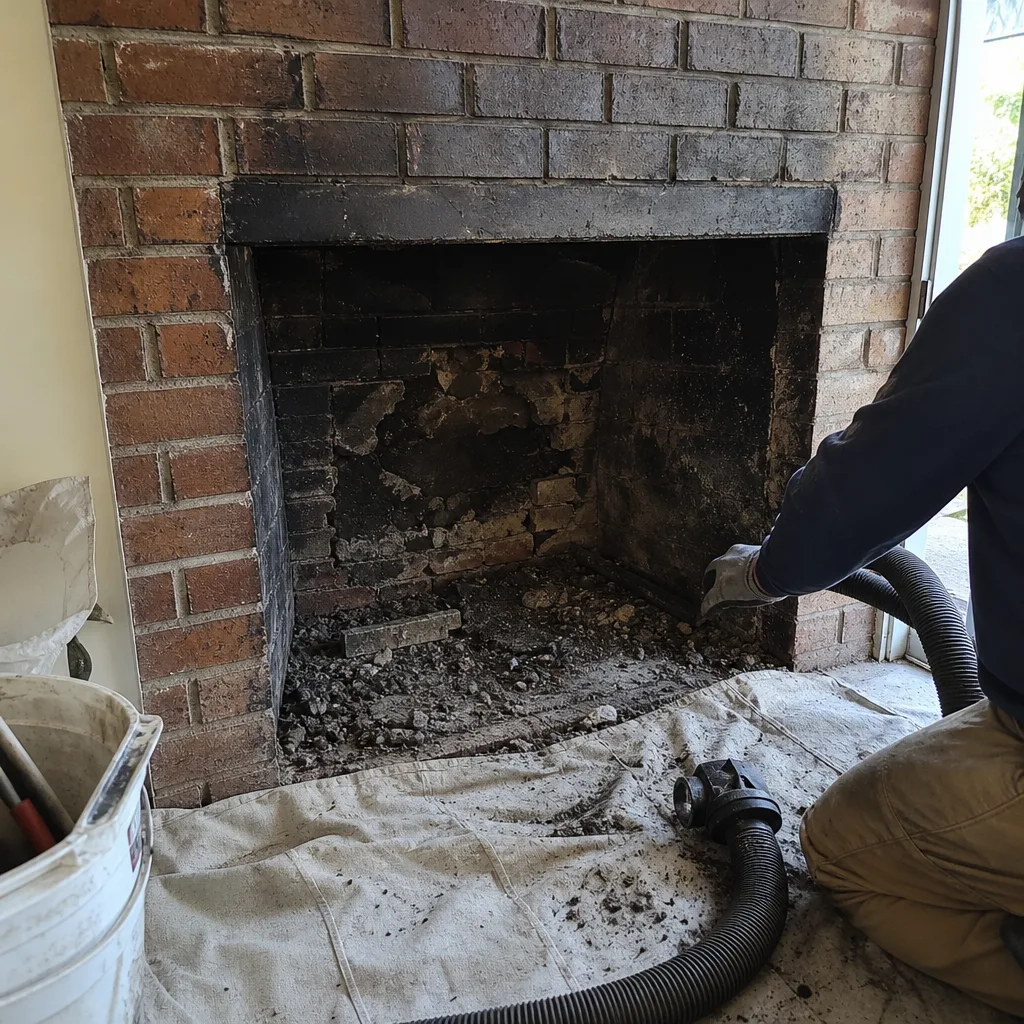
See the difference
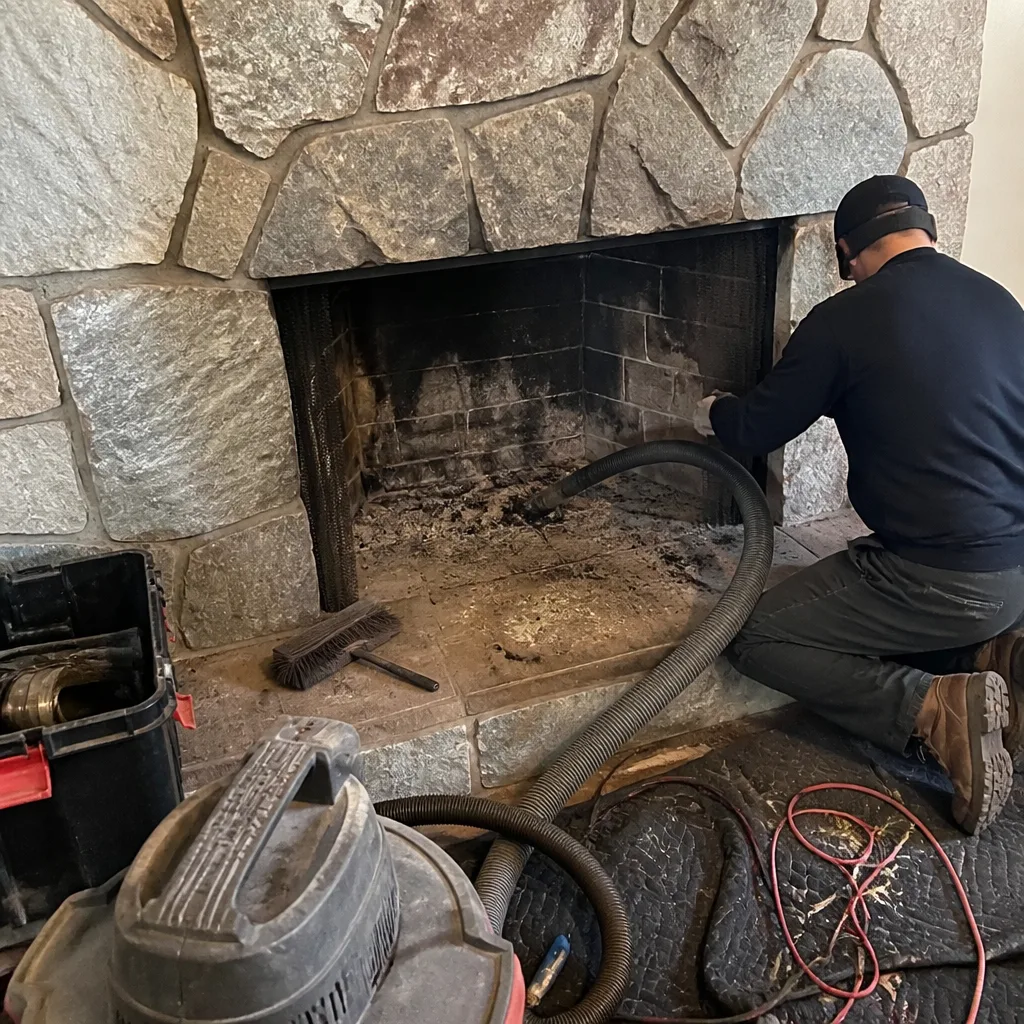 Before
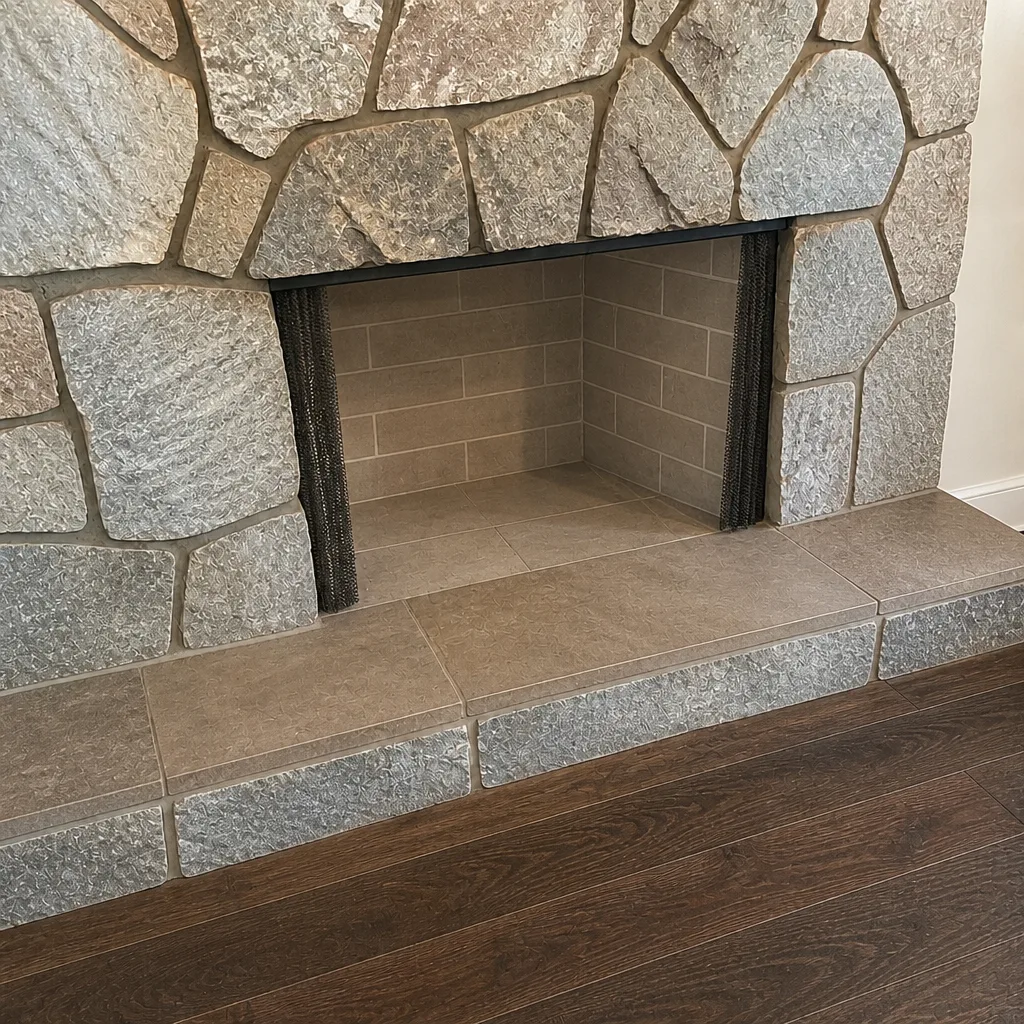 After
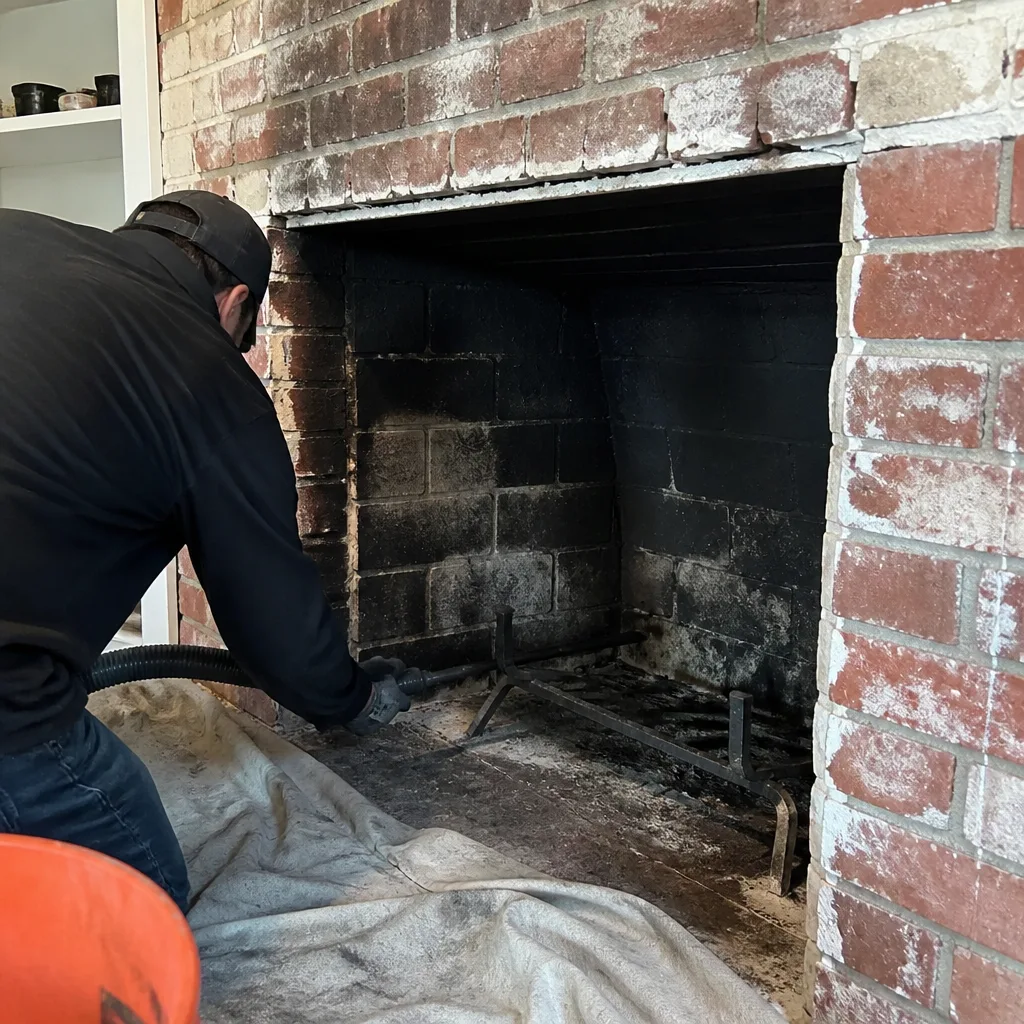 Before
 After
 Before
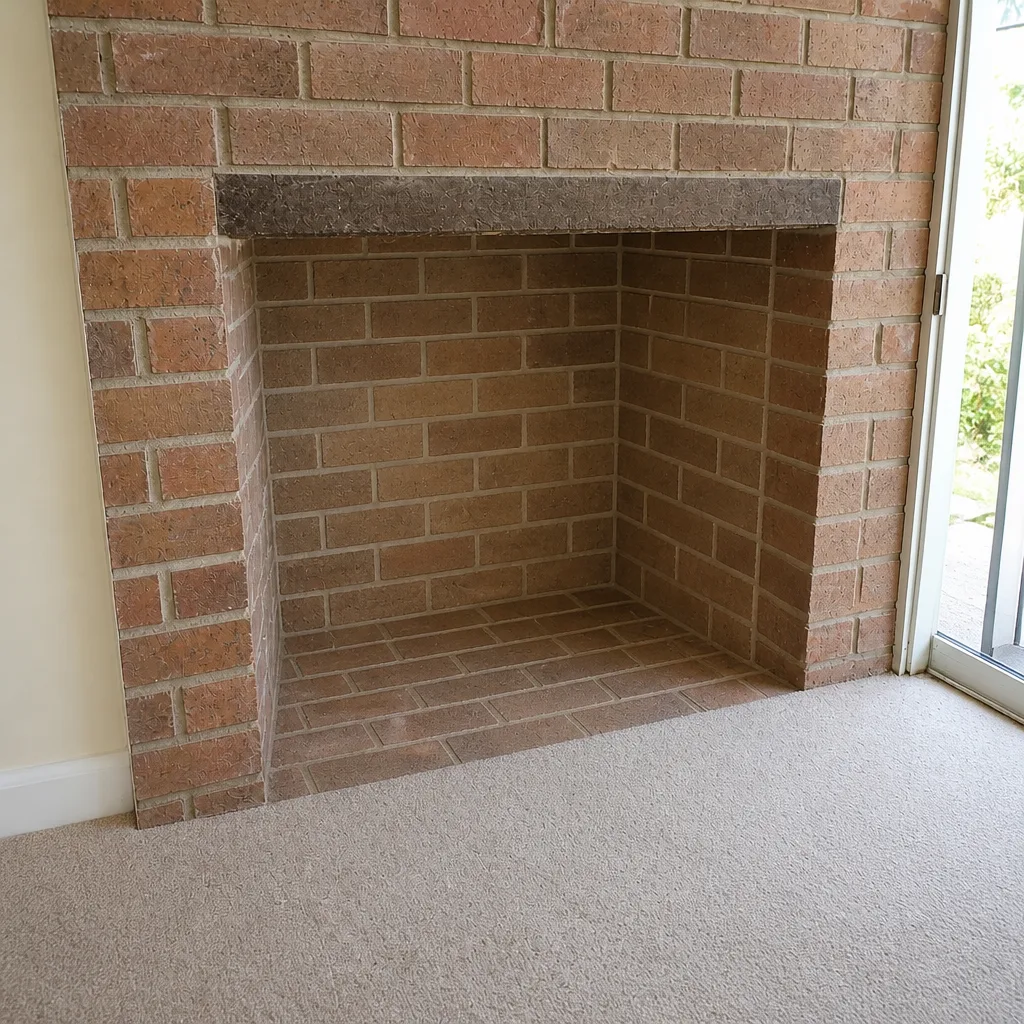 After
Common Mistakes to Avoid
- Assuming the sweep covers the inspection. Cleaning without an inspection is just guesswork. Ask for a documented inspection every time, and read the report.
- Letting a contractor skip the permit on a liner replacement. A liner replacement is a structural alteration to the venting system, and pulling a permit is what documents it to code. No permit means no record, and no record is what surfaces at closing.
- Accepting a recommendation without evidence. If the recommendation is a liner replacement, ask to see the camera footage. Any reputable technician will show it.
- Skipping the draft check. A draft check is part of the standard inspection and matters more in the Salt Lake Valley because of inversion season. A chimney that vents poorly can spill exhaust into the home.
- Ignoring the crown because it isn’t visible. The crown is the top of the chimney and it’s out of sight from the ground. A failing crown is the most common entry point for water damage in a masonry chimney, and it’s the cheapest thing to fix before it becomes a liner problem.
- Believing “grandfathered” means “no longer needs maintenance.” Grandfather clauses protect existing construction. They don’t protect a chimney whose liner has cracked or whose crown has failed.
- Hiring a sweep who won’t put inspection findings in writing. Verbal findings are worth exactly what you pay for them. A written report is what survives a sale, a refinance, or a claim.
- Using a sweep-only operator for a repair that needs a specialist. A sweep crew that doesn’t pull permits on liner work doesn’t do the work to code, and a specialist who handles diagnosis and repair under one company keeps the accountability in one place.
When to Call a Professional
Some things can wait. Some shouldn’t. Call a professional if you’ve had a chimney fire, even a small one – a fire can crack the liner invisibly, and the damage doesn’t show until the next fire. Call if you smell smoke in the house when the fireplace isn’t drafting correctly, if you see water staining in the firebox or ceiling near the chimney, if the crown has visible cracks, or if it’s been more than a year since the last inspection and the chimney hasn’t been looked at. Call before you buy or sell a Murray home with a masonry chimney; a Level 2 inspection is what the buyer’s agent will ask for. Call before installing an insert or switching fuel types. And call before the first cold snap of the season, not after – fall is the busy season, and scheduling ahead means the inspection happens before you need the fireplace.
Murray Chimney Sweep offers free estimates in Murray – call (833) 468-3004. Our technicians have up to 15 years of experience, and we work with professional-grade materials including DuraFlex, HeatShield, Copperfield, and Olympia Chimney products. We handle the full chimney from the firebox to the crown, diagnosed and repaired by the same specialist who inspected it.
Frequently Asked Questions
No. Routine chimney cleaning and creosote removal do not require a permit in Murray, UT. Permits apply to structural or component work – liner replacement, insert installation, crown rebuilds, and any change to the chimney’s structure or venting system. If your sweep recommends repair work, ask whether that repair requires a permit and who will pull it. Call (833) 468-3004 for an exact quote – estimates are free.
In most cases, yes. A liner replacement alters the chimney’s venting system and typically requires a permit through Murray City’s building department. The permit requirement exists so the work is inspected against NFPA 211 and IRC Section R1001 standards. A contractor who won’t pull a permit on liner work is either not licensed to do so or is skipping the process. Call (833) 468-3004 to discuss what your chimney needs.
A code-compliant inspection follows NFPA 211’s inspection levels and produces a written report. A Level 1 inspection covers accessible components and a draft check. A Level 2 inspection adds attic, crawlspace, and rooftop access, often with camera footage of the flue. The report lists findings, photographs the evidence, and gives a recommendation for each issue. If a contractor recommends relining without showing you the camera footage, ask to see it. Call (833) 468-3004 to schedule an inspection.
An insurer can deny or reduce a claim when an investigation finds the venting system was altered without a permit or inspection. Insurance policies include a duty to maintain the property, and a fire or carbon monoxide incident traced to unpermitted work falls into that duty. The practical protection is documentation: a permit for any structural work and a written inspection report for everything else. Call (833) 468-3004 if you need a documented inspection.
A grandfather clause protects existing construction from being forced up to current code when no work is being done, but it doesn’t protect a chimney once a safety problem develops. If the liner has cracked or the crown has failed, the chimney no longer meets NFPA 211’s maintenance standard, and the grandfather clause doesn’t fix that. It also doesn’t travel with new work – a liner replacement or crown rebuild must meet current code. Call (833) 468-3004 to find out where your chimney stands.
Once a year, and any time you’ve had a chimney fire, changed the appliance, or are buying or selling the home. Murray’s freeze-thaw cycle and winter inversions put more wear on chimneys than a milder climate would, which is why the annual inspection is worth keeping up with. The inspection is also your documentation trail for insurance and resale. Call (833) 468-3004 to schedule an inspection before the cold season starts.
A Level 1 inspection is a visual check of readily accessible portions of the chimney without opening anything up, plus a draft check. A Level 2 inspection goes further, including accessible attic, crawlspace, and rooftop areas, and usually includes camera footage of the flue. Level 2 is required after a chimney fire, after an appliance change, and during a real estate transaction. Call (833) 468-3004 to talk through which level your situation calls for.
The Bottom Line
Chimney cleaning in Murray is a permitted-free activity. Chimney repair usually isn’t. The line to hold is simple: if a sweep finds something that changes the structure or the venting system, the repair gets a permit, an inspection, and a written record. That record is what protects you at resale, during a refinance, and after a claim. The inspection report is the other half – a written, photo-documented assessment that tells you what’s actually wrong before anyone recommends a repair. If you’re about to sell a Murray home with a masonry chimney, or if it’s been more than a year since anyone looked at the flue, an inspection is worth scheduling before the first cold snap.
Call (833) 468-3004 for a free estimate. We answer 24/7. Fast dispatch from 7am to 7pm, Sunday through Friday.
Written by the team at Murray Chimney Sweep.