
Last updated November 24, 2026
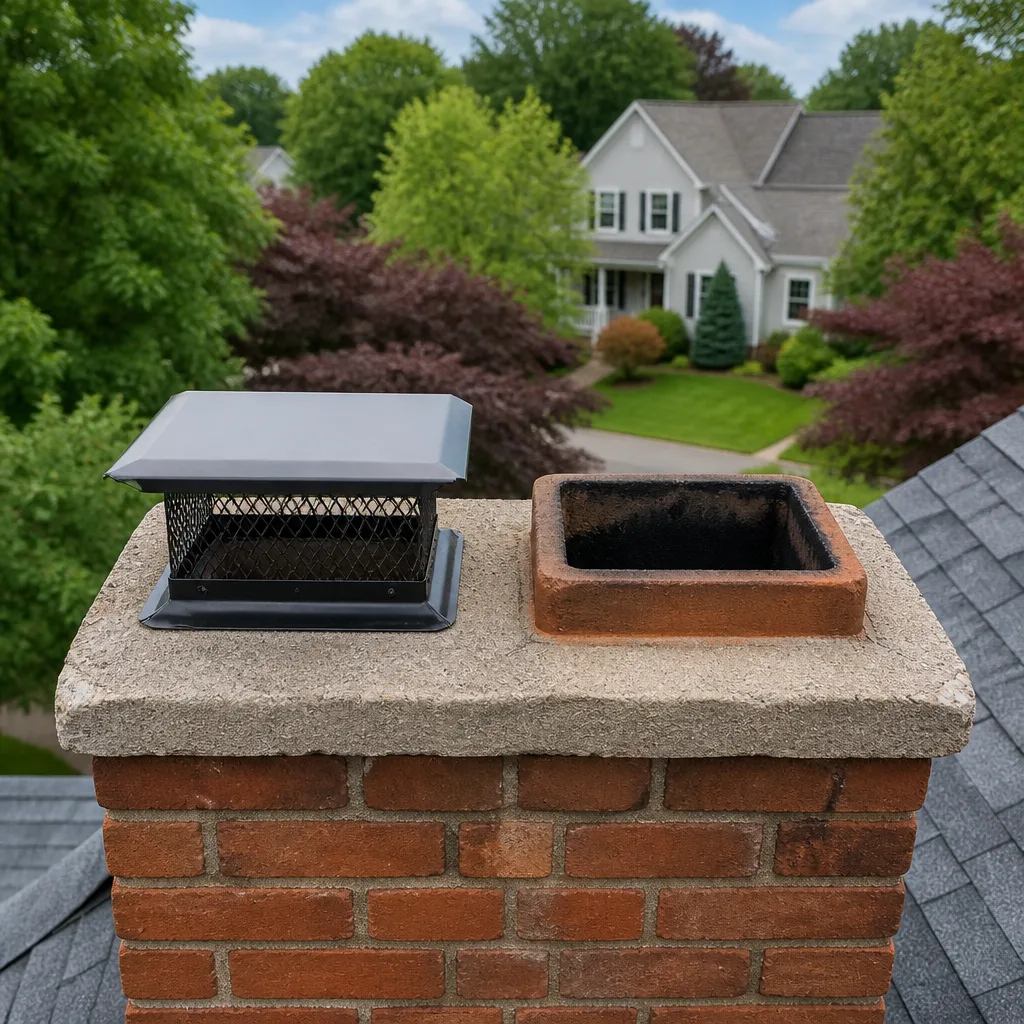 Sweep & inspection
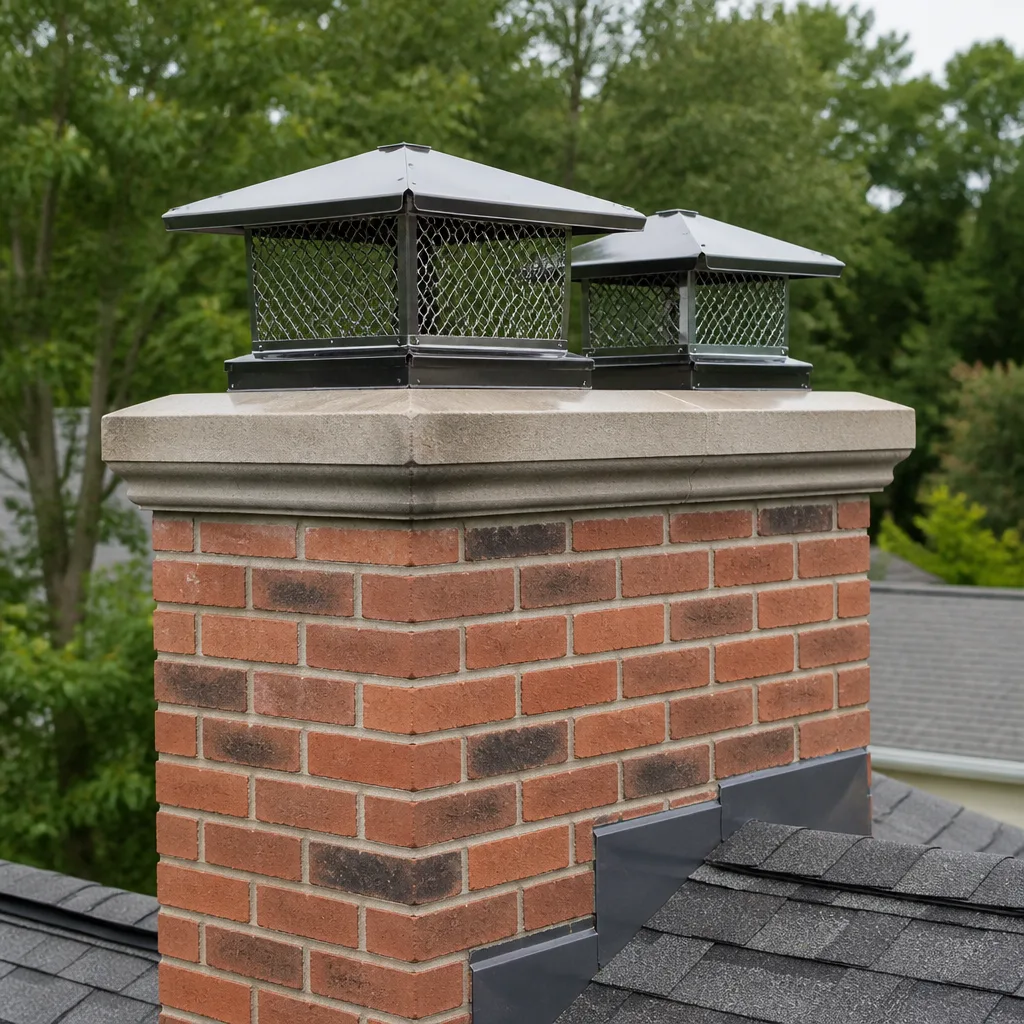 Caps & crowns
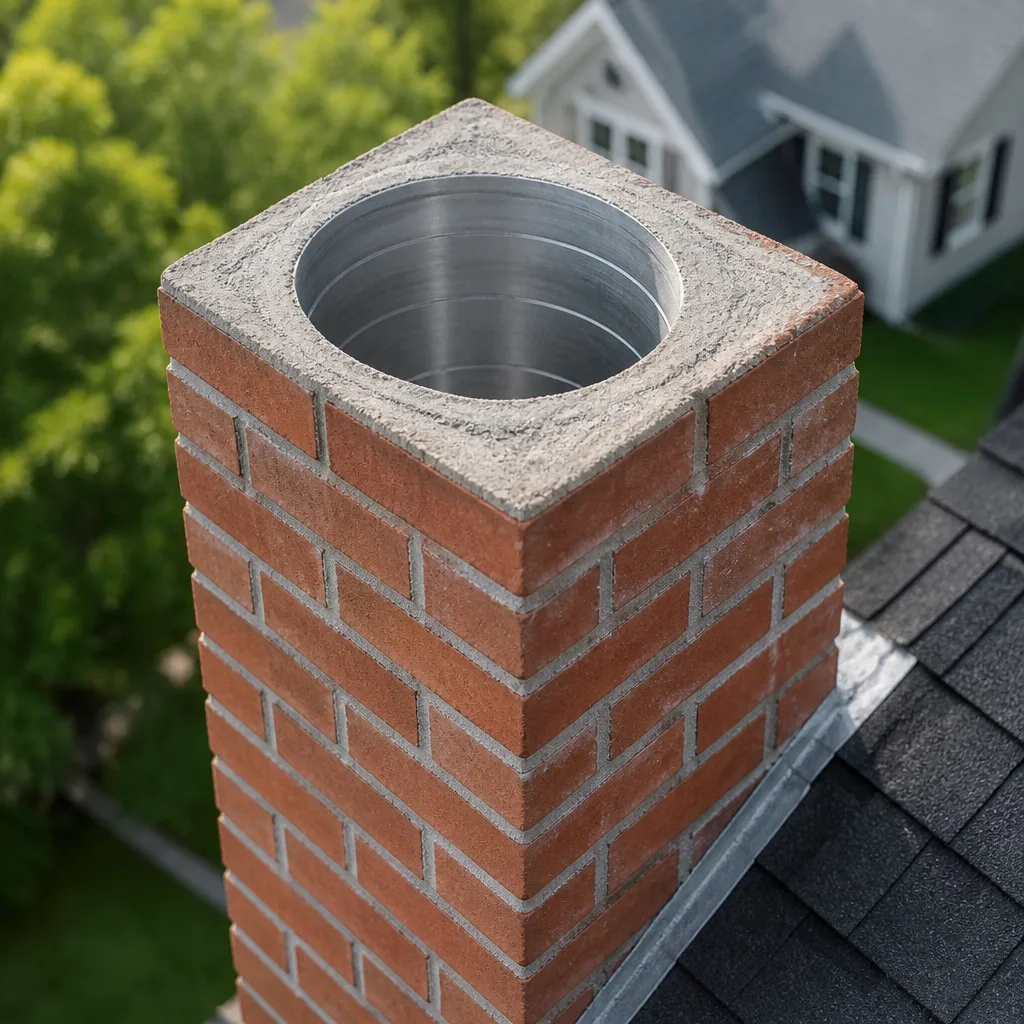 Flue relining
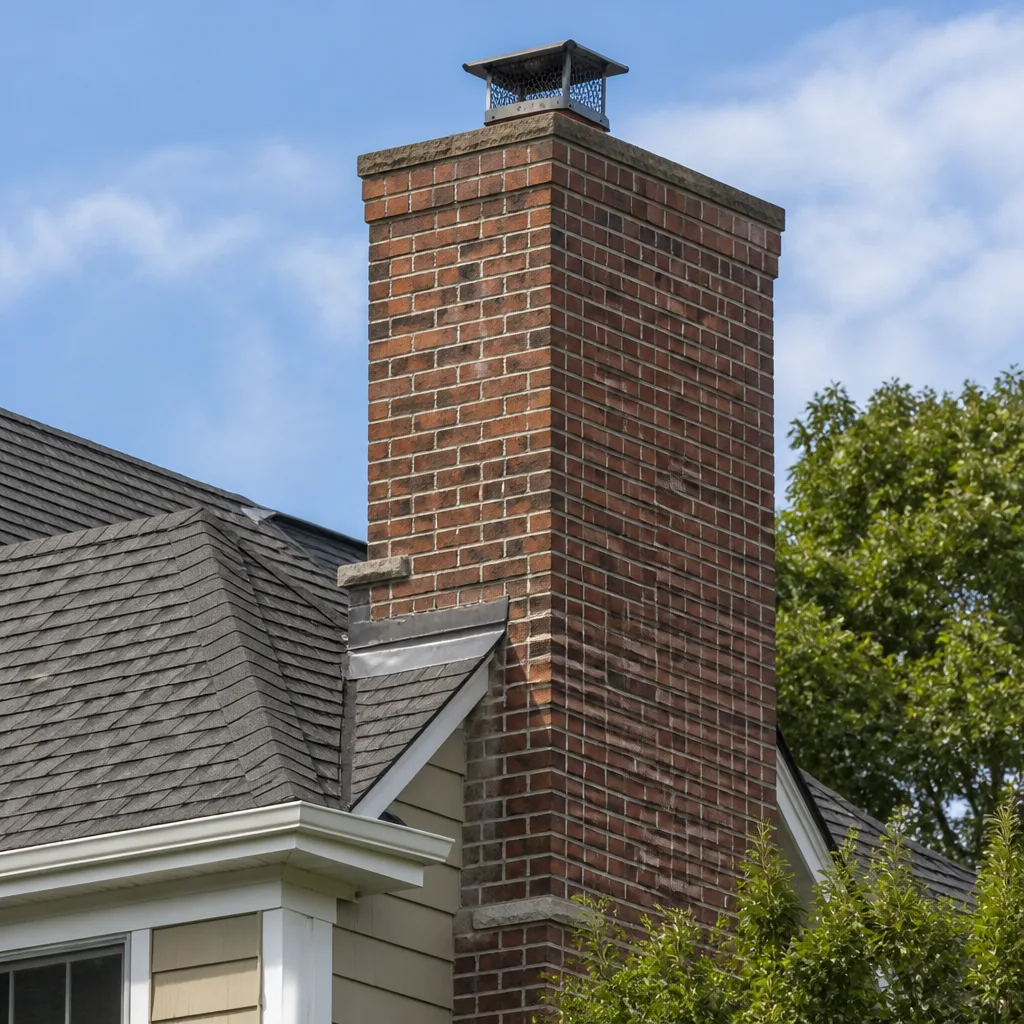 Masonry repair
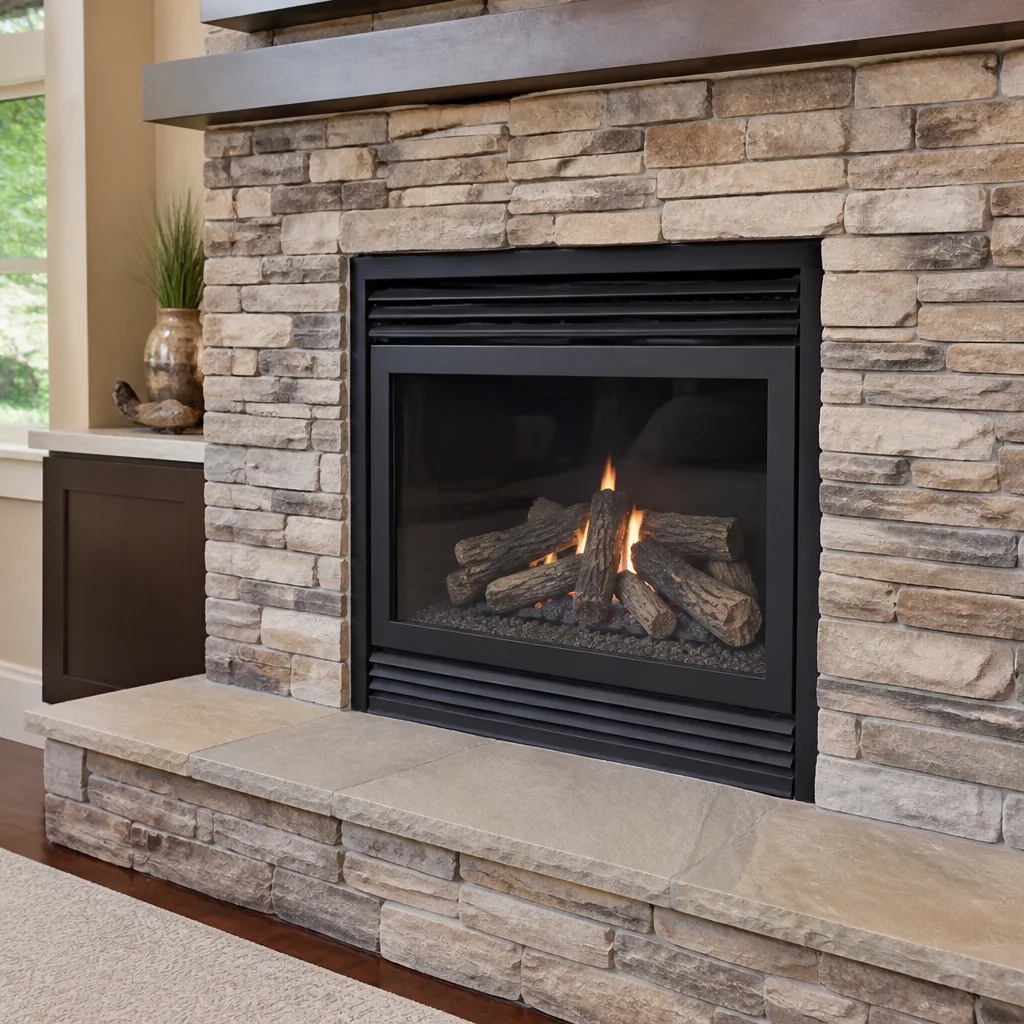 Gas fireplace service
Level 1 sweep and inspection to the NFPA 211 annual standard - flue, crown, cap, and flashing checked and photographed
Chimney sweep logs do not sweep chimneys. They loosen some creosote - which then falls where a brush and vacuum still have to collect it.
Choosing the Right Chimney Cleaning Brand: A Buyer’s Guide for Murray
A contractor recommends “HeatShield” and you have no idea if that’s a legitimate repair for your liner or a $600 upsell for something a $30 product would handle. The same goes for DuraFlex, Gelco, Olympia Chimney, and every other name that gets dropped when a technician is standing in your living room. The only real way to evaluate a product recommendation is to understand what the product actually does and what problem it’s designed to solve. That’s what this guide is for: a plain-language walk through the brand names you’ll encounter during chimney work in Murray, when each one is appropriate, and how to tell a real diagnosis from a sales pitch.
Quick Answer
Chimney product brands matter far less than whether the contractor has correctly diagnosed your chimney’s condition and can prove the product is the right fit. HeatShield resurfaces damaged clay tile liners that are still structurally sound; DuraFlex and similar stainless systems reline a flue that’s too far gone; sealants and creosote treatments slow deterioration but don’t repair it. The right questions to ask are about your chimney’s specific condition, not about which brand is “best.”
Styles & brands we work with
- Sweep & inspection
- Caps & crowns
- Flue relining
- Masonry repair
- Gas fireplace service
Table of Contents
- The brand-name landscape: what you’re actually looking at
- What HeatShield does, and when it’s the right call
- DuraFlex and stainless liner systems: when relining is necessary
- Cast-in-place liners versus flexible liners: application and longevity
- Sealants, waterproofing, and creosote treatments: honest limits
- How to evaluate a product recommendation step by step
- Why correct application matters more than the brand
- What Murray’s climate means for your chimney
The Brand-Name Landscape: What You’re Actually Looking At
Chimney work has its own vocabulary, and most homeowners in Murray don’t encounter it until something goes wrong. Walking into the conversation cold makes it hard to tell a legitimate material recommendation from a confident sales pitch. Here’s the useful context.
Chimney products fall into a few broad categories, and knowing the category tells you more than the brand name does:
- Liner systems restore or replace the flue that carries smoke and gases out of your house. HeatShield and DuraFlex live here.
- Components and hardware include caps, dampers, and connecting pieces. Olympia Chimney and Famco make products in this category.
- Sealants and coatings protect masonry from water and slow further deterioration. Gelco fits here.
- Creosote treatments chemically modify the creosote already inside the flue so it can be more easily removed on a later sweep.
Those four categories are not interchangeable, and no single brand covers all of them. When someone recommends a product, the first question worth asking is which category it belongs to and which problem it’s meant to solve. A technician who recommends a creosote treatment for a flue that’s actually cracked is applying the wrong tool. A technician who recommends a full reline for light surface glazing is overprescribing. This is the daily work at Murray Chimney Sweep, and it’s the distinction most homeowners get stuck on.
The practical takeaway: don’t ask “is HeatShield good?” Ask “what problem does HeatShield solve, and does my chimney have that problem?” That reframing is the whole guide in one line.
What HeatShield Does, and When It’s the Right Call
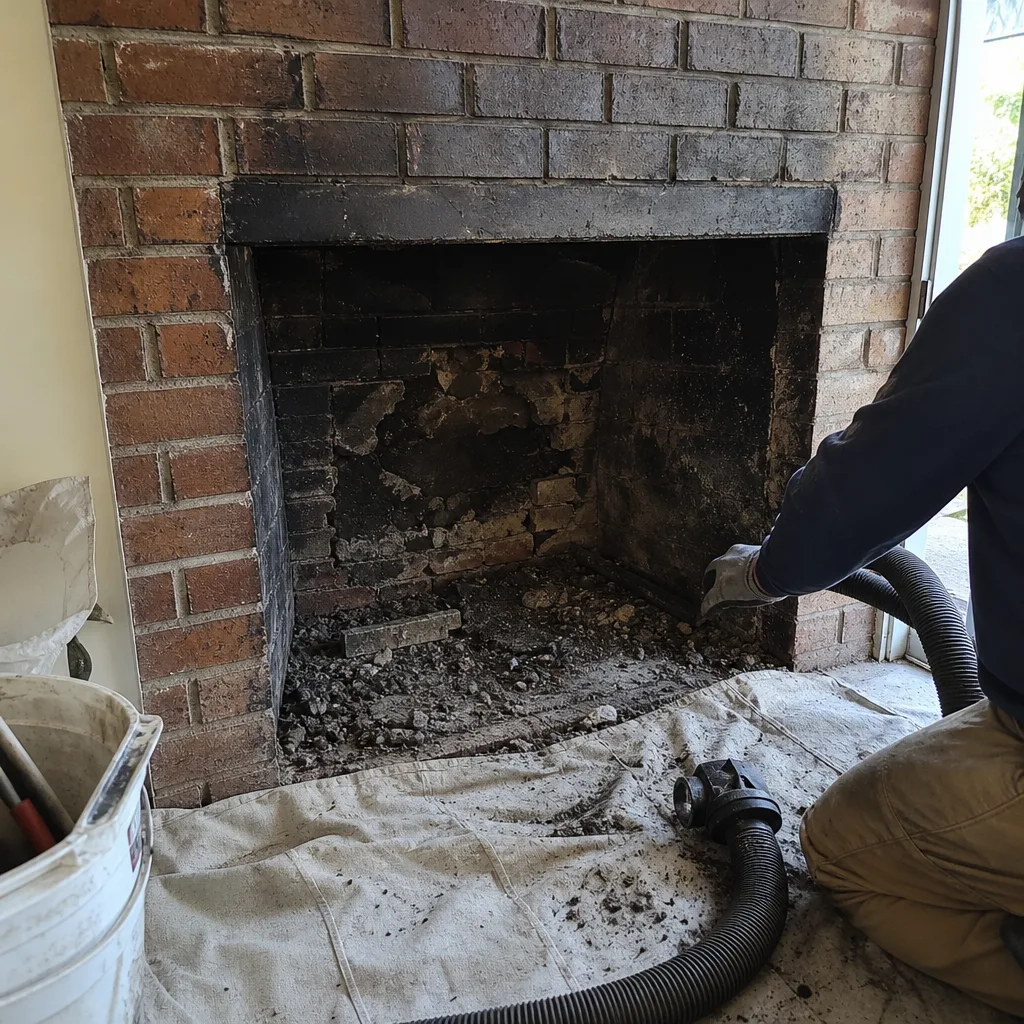
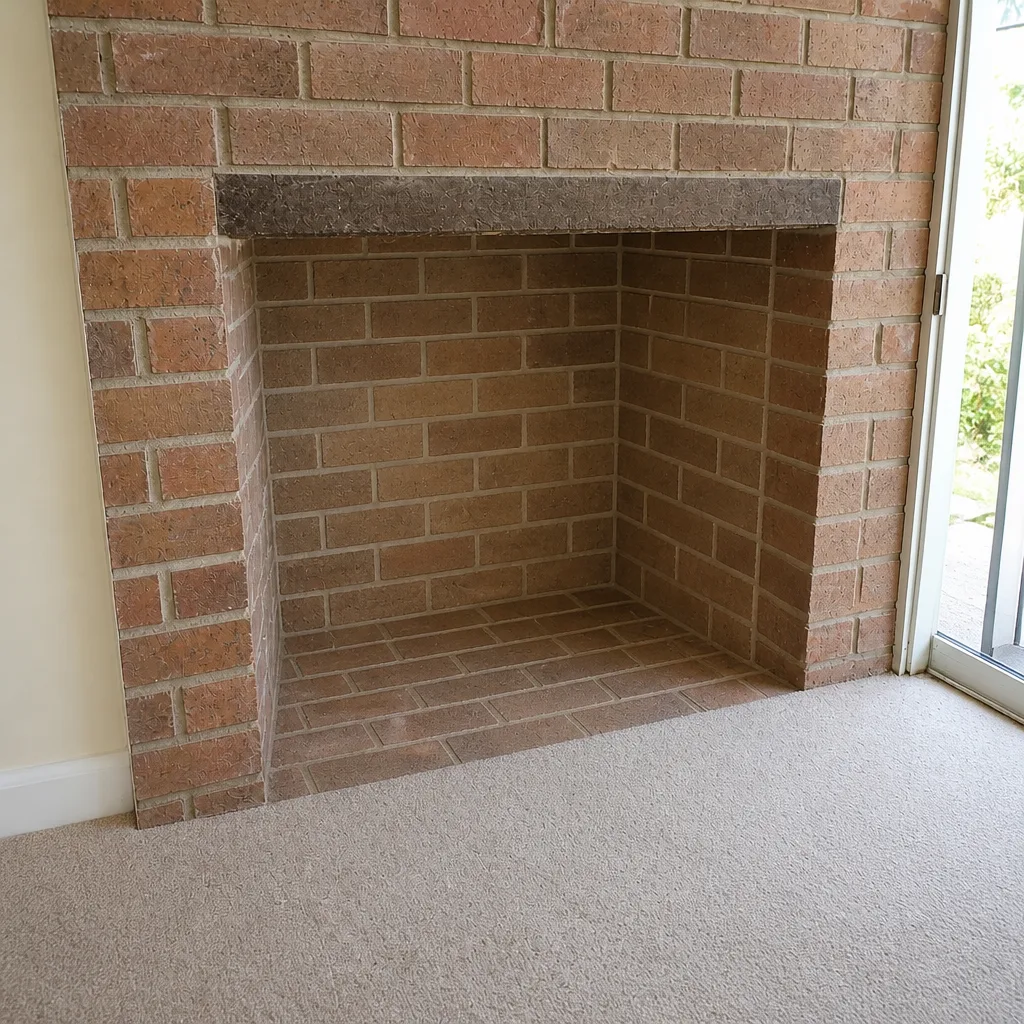
HeatShield is a cast-in-place resurfacing product designed to restore the integrity of a damaged clay tile flue liner. It’s applied as a cementitious material that’s troweled or poured into the existing flue, then shaped and cured to form a new smooth interior surface. The result is a sealed, round liner inside your existing chimney structure, without tearing down the chimney to pour new tiles.
The product solves a specific problem: the clay tile liner inside your chimney has cracked, spalled, or developed gaps at the joints, but the surrounding masonry structure is still sound. When that’s the case, a resurfacing system is a legitimate, code-compliant repair. When the structure itself is compromised or the flue is the wrong size for the appliance, resurfacing isn’t the answer.
HeatShield is typically the right call when:
- The clay tiles have cracks or gaps, but the tiles themselves are still intact and seated.
- The chimney structure is stable and the flue is the correct size for your fireplace or appliance.
- You want to restore the liner without the demolition that a full reline requires.
- A camera inspection shows localized damage rather than a collapsed or missing liner.
HeatShield is typically the wrong call when:
- The existing tiles have separated, collapsed, or shifted out of position.
- The chimney has structural movement, crumbling mortar joints, or the flue isn’t sized correctly for the fireplace.
- A factory-built fireplace has a manufactured liner that needs to be replaced rather than resurfaced.
What separates a real recommendation from an upsell is camera evidence. A technician who recommends HeatShield should be able to show you the damage on the screen, explain why resurfacing is appropriate versus replacing, and be specific about how the product will be applied in your chimney. If that conversation is missing the camera footage, ask for it. The flue is a hidden space, and the only way to verify what’s in there is to look.
Certification matters here too. HeatShield application is a technique that requires product-specific training, not a general masonry skill. A contractor recommending HeatShield should be able to tell you they’re certified to apply it and what that certification involves. The professionals we connect you with are certified to work with HeatShield, DuraFlex, and Copperfield systems. We bring that up because the product name means nothing if the application behind it is improvised.
DuraFlex and Stainless Liner Systems: When Relining Is Necessary
DuraFlex and comparable stainless steel systems are flexible liners designed to reline a chimney flue that can no longer be safely used with its original liner. They’re lowered into the chimney as a continuous length of corrugated stainless pipe, then connected to the appliance at the bottom and capped at the top. The result is a brand-new, sealed flue that’s independent of the original clay tiles.
Relining becomes necessary when resurfacing isn’t enough. The clearest signals are:
- Tiles that have collapsed, shifted, or separated entirely. You can’t resurface what isn’t there.
- Severely deteriorated mortar joints between tiles, with gaps you can see on camera.
- An unlined chimney. Older masonry in older Murray homes sometimes has no liner at all, which is a serious safety issue.
- A flue that’s undersized for the appliance. Installing a properly sized stainless liner corrects the draft problems that come with an oversized flue.
- A change of appliance, like switching from wood to a high-efficiency insert or a gas appliance that requires a specific liner.
DuraFlex liners have their own installation standards, and the specification matters. Flex liner systems are manufactured with a specific wall thickness and alloy, and the liner needs to be correctly sized to the appliance’s flue collar and the chimney’s height and offset. A flex liner that’s too small for a wood-burning fireplace restricts draft. A liner that’s installed without proper insulation in a chimney with clearance issues can create a fire hazard. The specification is not a detail you should gloss over, and a good contractor will walk you through which liner is right for your situation and why.
The relining conversation is also where you’re most likely to encounter the “go big or go home” pitch. Full relining is a legitimate repair, but it should be justified by evidence. The honest position is: nothing gets recommended without camera footage you can see for yourself. If a contractor skips the camera, ask to see it. If they can’t or won’t show you, that’s your answer.
One more point: a stainless reline is a durable solution, and it should be. Done correctly, a stainless liner will serve your chimney for a long time. Done poorly, you’ll be back in the same conversation in a few years. The brand of the liner is less important than whether the installer sized it correctly, insulated it where needed, and connected it to your appliance properly.
Cast-in-Place Liners Versus Flexible Liners: Application and Longevity
Homeowners often hear “cast-in-place” and “flex liner” used interchangeably, but they’re different products with different applications. Understanding the difference makes the recommendation easier to evaluate.
Cast-in-place liners like HeatShield rely on the existing tile flue as the structure. The product fills and smooths the interior, restoring an even, sealed surface and closing the gaps between damaged tiles. The liner’s shape follows the chimney’s existing flue. This works well for chimneys where the tile structure is intact and the flue is the right size. The trade-off is that the product can’t fix structural movement, an undersized flue, or a flue that’s missing tiles entirely.
Flexible stainless liners like DuraFlex create an entirely new flue inside the chimney. They don’t depend on the existing tiles for structure, so they can be installed in a chimney where the original liner has failed or never existed. The trade-off is that they require properly sizing to the appliance and insulating where clearance is an issue.
The comparison looks like this:
- What it uses as structure: cast-in-place relies on the existing tiles; flex liner is self-supporting.
- Best for: cast-in-place is best for intact tiles with localized cracking; flex is best for failed, missing, or undersized flues.
- What it changes: cast-in-place smooths the existing flue; flex creates a new, correctly sized flue.
- Application requirements: cast-in-place requires product-specific certification and careful shaping; flex requires correct sizing, insulation, and appliance connection.
A contractor who recommends one without explaining why the other doesn’t apply to your chimney is worth a second question. A contractor who can explain the difference in terms of your specific flue, on camera, is doing the job right. That’s also why we handle the full chimney end to end: the person who diagnoses the problem should be accountable for what’s installed to fix it. When you need chimney repair, that continuity is what keeps the recommendation honest.
Sealants, Waterproofing, and Creosote Treatments: Honest Limits
Products in this category are maintenance tools, not repairs. Their job is to slow deterioration and make cleaning more effective, and they do that well when used correctly. They can’t fix a cracked flue, restore a failed liner, or replace a missing cap.
Here’s what each category can and can’t do:
Waterproofing sealants
Chimneys are masonry structures exposed to weather on every side, and water is the leading cause of long-term chimney damage. A breathable waterproofing sealant applied to the exterior masonry slows water absorption and reduces freeze-thaw damage. What it can’t do is fix a crown that’s cracked or a cap that’s missing. Those are the structural entry points, and the sealant goes on after they’re repaired, not instead of.
Creosote treatments
Creosote is the tar-like residue that accumulates inside a flue from burning wood. In its early stages it’s light and removable with a standard sweep. As it builds, it becomes glazed and hard, and standard brushes won’t take it off. Creosote treatments chemically modify the glazed layer so a follow-up sweep can remove it. What they can’t do is substitute for a sweep, or remove the creosote in a single application.
Why “product-only” fixes fall short
A sweep without an inspection is just guesswork, and the same is true of a product without a diagnosis. A creosote treatment applied to a flue that’s already cracked is wasted effort. A waterproofing sealant applied over a failed crown traps water inside the structure. The pattern is the same: the product is only as good as the diagnosis behind it, and the diagnosis requires a camera inspection.
This is also why cap and crown work matters so much. If your chimney cap is missing or damaged, or the crown is cracked, the water damage to the flue and masonry continues no matter what you apply on the inside. Fixing the water entry point first is what makes everything else last. That’s the reasoning behind the cap and crown installation side of our work at Murray Chimney Sweep.
How to Evaluate a Product Recommendation Step by Step
When a contractor names a product and hands you an estimate, you need a way to test the recommendation without becoming a chimney technician. This sequence works for almost any product conversation.
- Ask for the camera footage. Before anything else, ask to see the inspection video. A recommendation without camera evidence is a guess. If the footage shows the problem, the conversation can move forward.
- Ask what problem the product solves. Get a specific answer. “It’ll seal your flue” is vague. “It’ll close the cracks between tiles 4 through 9 and smooth the interior surface” is specific and verifiable against the footage.
- Ask why this product instead of the alternative. If HeatShield is recommended, ask why resurfacing is appropriate and relining isn’t. If DuraFlex is recommended, ask why relining is necessary and resurfacing isn’t. A contractor who can’t explain the alternative is guessing.
- Ask about your flue’s condition in plain language. “What does ‘spalling’ mean in my chimney?” is a fair question. The answer should be understandable without a dictionary.
- Ask whether the work can safely wait. Some repairs are urgent. Some can be scheduled for a later season. A contractor who says everything is urgent is worth a second look. Sometimes the honest answer is “this needs attention before the next burning season” or “this can wait if you’re not using the fireplace.”
- Ask what the estimate covers and what it doesn’t. Does it include the crown, the cap, and the appliance connection? Is the price set per job in the written estimate, or is it an “starting from” number that will grow?
- Ask about certification. HeatShield application and flex liner installation both require product-specific training. The right answer names the certification and the product it covers.
Those seven questions will separate a diagnostic recommendation from a sales pitch in almost every case. The pattern to watch for is the contractor who can answer the first two and stumbles on the rest.
Why Correct Application Matters More Than the Brand
The brand on the package is a shorthand for the specification, not a guarantee of the result. HeatShield applied poorly is a failed flue with a famous name on it. DuraFlex installed without insulation in a chimney that needs it creates a hazard regardless of the liner’s alloy. The variables that determine whether the product works are in the installation, and that’s where the evaluation should focus.
A few application standards worth asking about:
- Sizing. The flue and the appliance need to be correctly matched. An oversized flue reduces draft; an undersized flue restricts it. The correct size is a calculation, not a guess.
- Insulation. Where the chimney has clearance issues, an insulated liner is required to reduce heat transfer to nearby combustibles. Ask whether insulation is specified in the estimate.
- Connection and cap. The appliance connection at the bottom and the cap at the top are where liners fail most often. Both need to be included in the written scope.
- Cure and finish. For cast-in-place systems, the material needs to be shaped and cured to spec. A rushed application won’t hold.
- Verification. After the work is done, a camera inspection should confirm the finished result. Ask whether that verification is included.
The way to check application standards is simpler than it sounds: ask the contractor to walk you through how they’ll install the product in your chimney, then ask for the post-installation camera footage. A contractor who does both is working to a standard. A contractor who can’t explain the installation or won’t verify it afterward is not.
This is where the specialist model earns its keep. The person who sweeps your chimney, inspects the damage, explains the product, and installs the liner is the same person accountable for the result. That continuity is the reason we handle the whole chimney from the firebox to the crown. When the same technician does the sweep and the fireplace repair and writes the chimney repair estimate after a proper chimney sweep, the recommendation has a paper trail. There’s no handoff to a second contractor who has to re-diagnose the problem from scratch.
Our technicians have up to 15 years of experience, and the pattern repeats across those years: the flue that fails is usually the one where a product was applied without a diagnosis, or the diagnosis was never shown to the homeowner. The brand is not the variable that matters most.
What Murray’s Climate Means for Your Chimney
Murray sits in a high-desert valley along the Wasatch Front with sharp seasonal swings, deep winter cold, and a long, dry summer. Those swings matter for chimneys because the most damaging force on exterior masonry is the freeze-thaw cycle, and Murray sees plenty of both.
Water enters masonry through the crown, the cap, and the mortar joints. In the summer it soaks in; in the winter it freezes and expands; in the spring it thaws and the masonry cracks a little more. Repeating that cycle season after season is how a hairline crack in a crown becomes a spalled flue tile. It’s also why the water entry points matter so much for the brand question: if you apply HeatShield to a flue but leave a cracked crown above it, water keeps coming in and the resurfacing has a shorter life. The root cause and the symptom are two different things, and fixing the root cause first protects the product work.
In Murray, that translates to a practical priority list for most homes with working fireplaces:
- Keep the cap and crown maintained first. It’s the cheapest and highest-impact work you can do.
- Sweep before each burning season, not after. Creosote that’s allowed to sit through the summer hardens and becomes much harder to remove.
- Do a full chimney inspection at least alongside the sweep, and any time you change what you burn or notice smoke coming back into the room.
- Treat any product recommendation as one that has to be verified with camera footage before it can be trusted.
If you’re not sure where your chimney stands, the right first move is an inspection, not a product purchase. The inspection is the diagnosis. The product is downstream of the diagnosis. Reversing those two is where most of the problems come from.
Common Mistakes to Avoid
- Buying a product before getting an inspection. A product recommendation without camera footage is a guess, and guesses cost more than inspections. Get the diagnosis first, even if you’re confident you know what’s wrong.
- Assuming “HeatShield” means the flue is resurfaced. HeatShield is a brand, not a diagnosis. If a contractor recommends it without explaining the condition of your tiles, ask for the footage and the reasoning.
- Comparing brands instead of comparing diagnostics. Two contractors can recommend the same HeatShield system for two very different chimneys, and only one of them has done the work to justify it. Compare the diagnosis, not just the brand line item.
- Applying waterproofing to a chimney with a cracked crown. A breathable sealant on the exterior doesn’t fix the water entering through the crown. It can slow damage, but it doesn’t close the entry point, and the water keeps coming.
- Skipping the post-installation inspection. A reline or a resurfacing should be verified with camera footage afterward. A contractor who doesn’t offer this is asking you to take the work on trust alone.
- Everything treated as urgent. A recommendation that everything needs to be done before winter, on every chimney, every time, is a red flag. Some repairs are urgent. Some can wait. A specialist will tell you which is which.
- Choosing the cheapest number on the page. Low bids often exclude the pieces that matter, like proper insulation on a flex liner or the post-install camera check. Read the scope, not just the total.
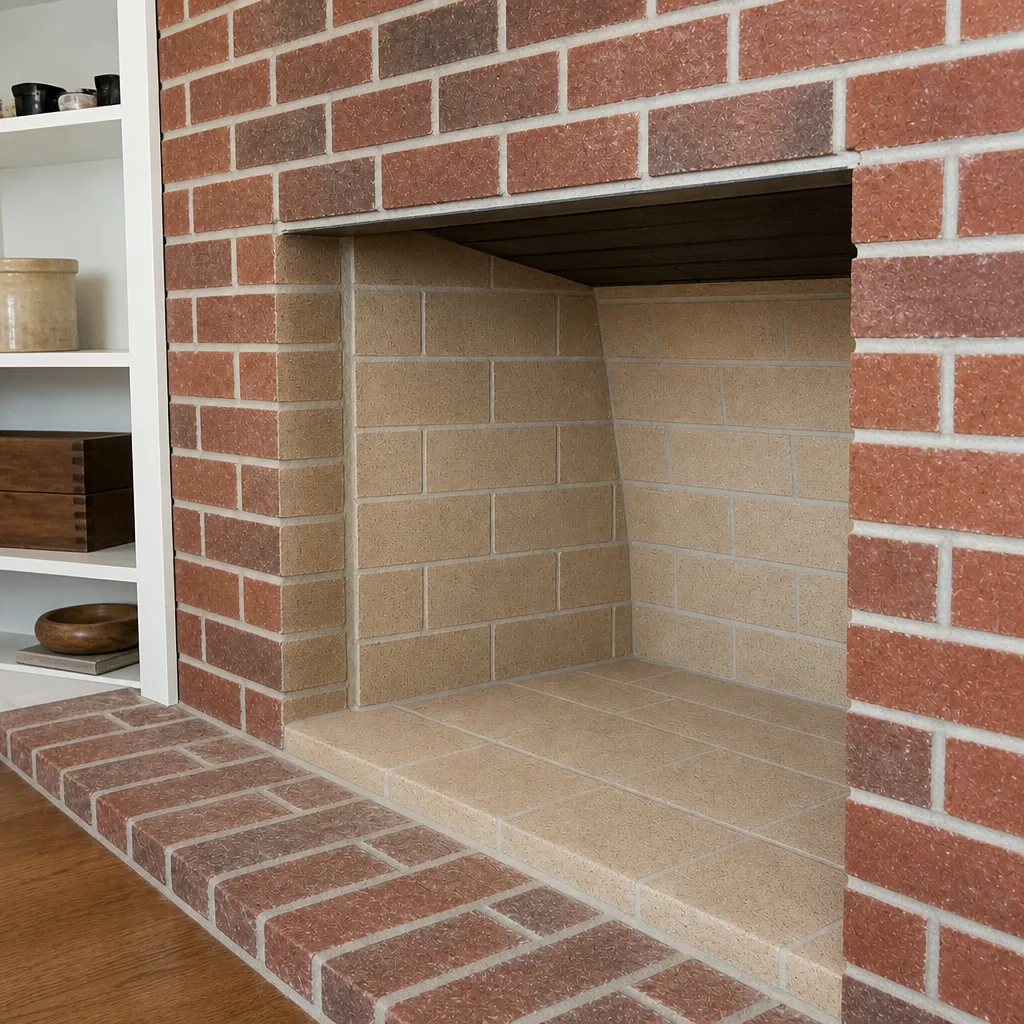
See the difference
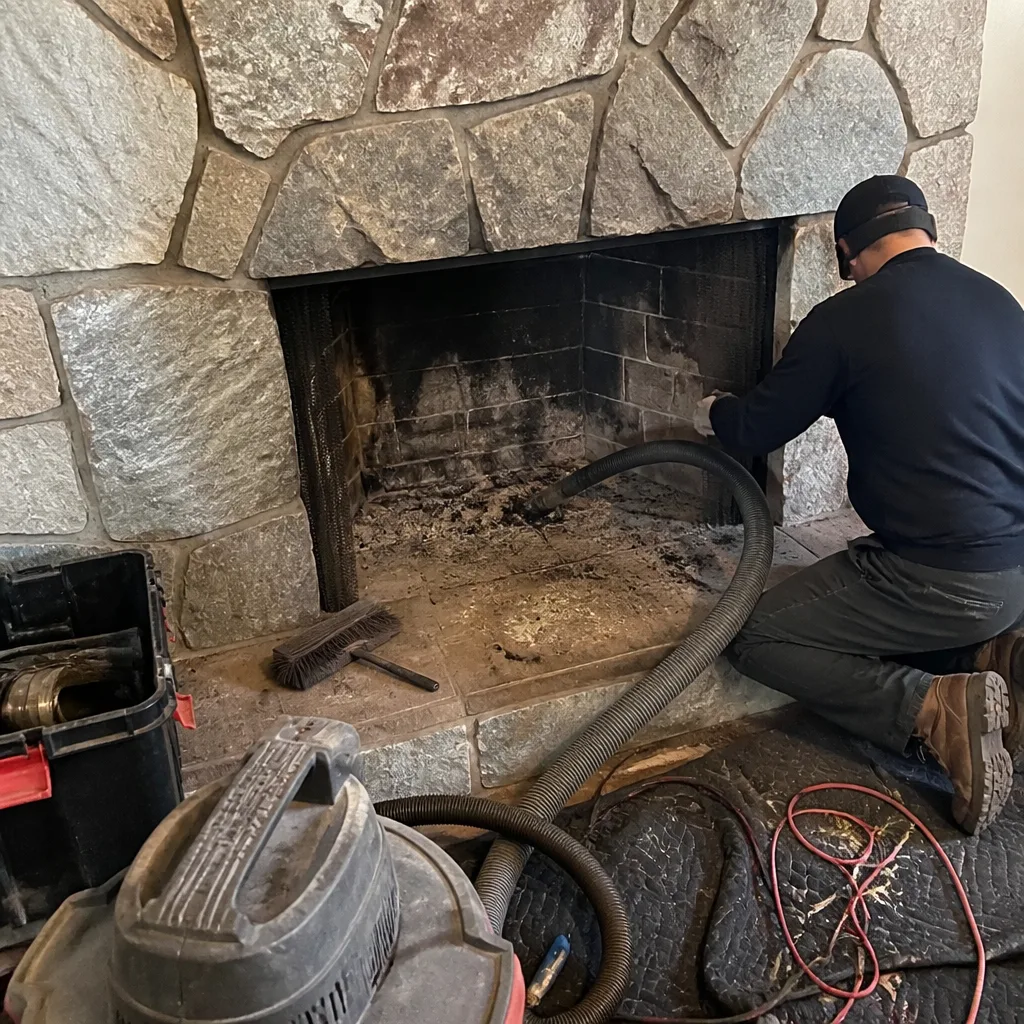 Before
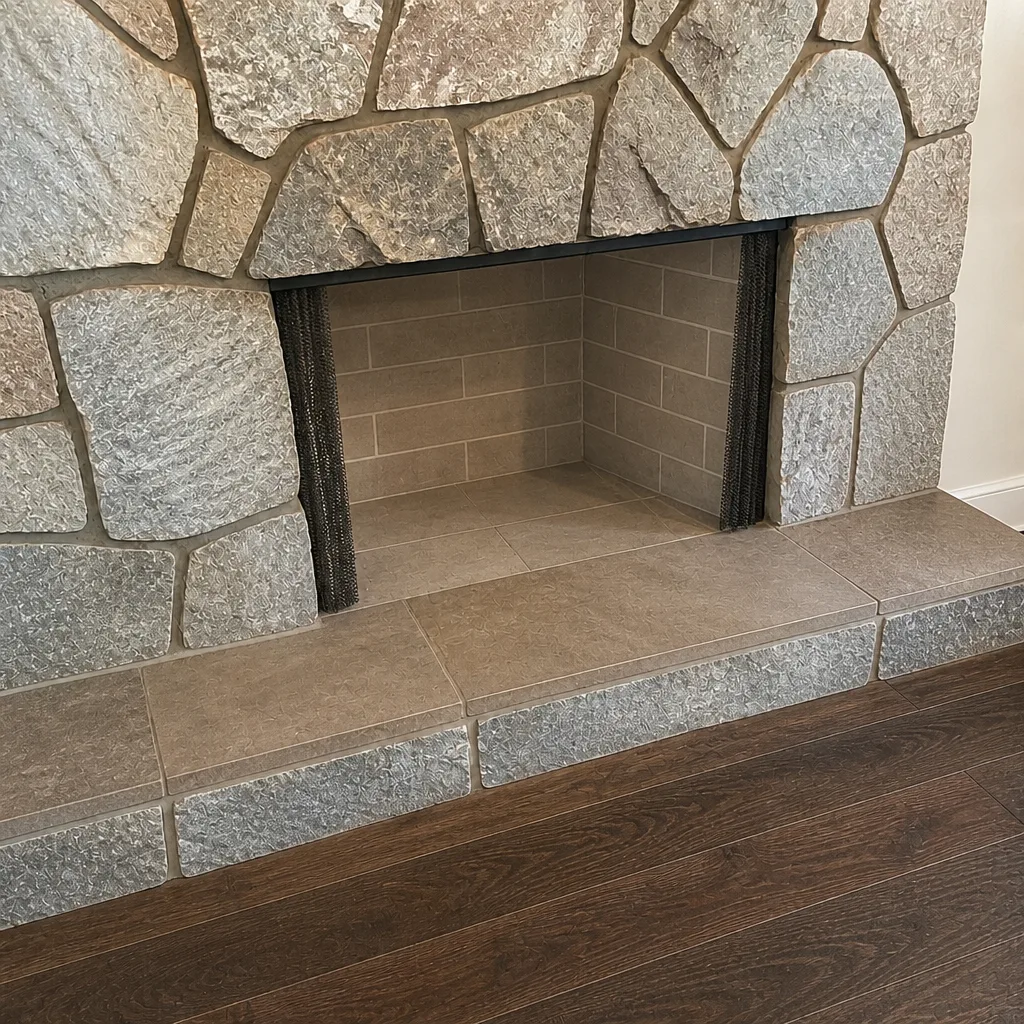 After
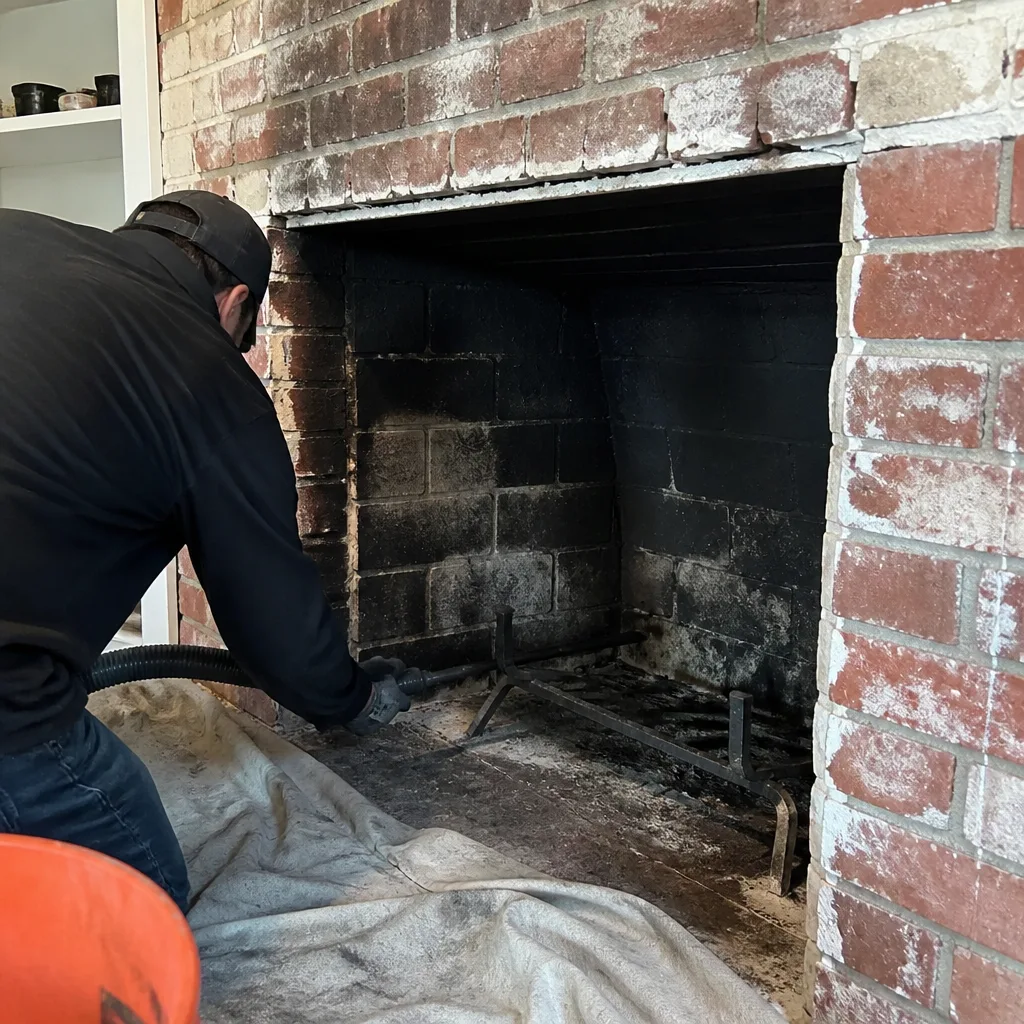 Before
 After
 Before
 After
When to Call a Professional
You don’t need a professional for every chimney question, but some situations should go to a trained technician without delay. Call if you notice smoke backing into the room when you light a fire, a strong creosote or chemical smell that doesn’t clear when the fireplace is cold, water staining on the ceiling near the chimney, a cracked or missing cap, a crown with visible damage, or any visible damage to the firebox or damper. Also call if you’ve never had the chimney inspected before you start using it, or if it’s been more than a year since the last sweep. When the recommendation is a product or a repair, call for the diagnosis and ask for camera footage before anything is booked. Murray Chimney Sweep offers free estimates in Murray. Call (833) 468-3004. We answer 24/7. Fast dispatch from 7am to 7pm, Sunday through Friday.
Frequently Asked Questions
HeatShield is a real repair, but only for a specific condition: a clay tile liner that’s cracked or has gaps at the joints while the surrounding structure is still sound. It’s a cementitious resurfacing product applied inside the existing flue, not a cosmetic coating over the outside. It’s the wrong product when the tiles have collapsed, the flue is undersized, or the chimney has structural movement. Call (833) 468-3004 for an exact quote. Estimates are free.
A cast-in-place liner like HeatShield relies on your existing tile flue for structure and restores its interior surface. A flex liner like DuraFlex creates a brand-new stainless flue inside the chimney and doesn’t depend on the original tiles. Cast-in-place is right for intact tiles with localized cracking; flex is right for failed, missing, or undersized flues. A camera inspection is what determines which applies to your chimney. Call (833) 468-3004 for an exact quote. Estimates are free.
It depends on what the camera shows. If the tiles are intact and seated, resurfacing restores the liner without demolition. If the tiles have separated, collapsed, or the flue is the wrong size, a stainless flex liner is the correct repair. The honest answer is that neither should be recommended without camera evidence you can see for yourself, and some situations can safely wait until the next burning season. Call (833) 468-3004 for an exact quote. Estimates are free.
No. Sealants and creosote treatments are maintenance tools, not repairs. A breathable sealant slows water absorption but can’t fix a cracked crown or a missing cap. A creosote treatment loosens glazed deposits so a sweep can remove them, but it doesn’t substitute for the sweep. When the flue is damaged, the fix is a product designed to restore or replace the liner, not one designed to slow deterioration. Call (833) 468-3004 for an exact quote. Estimates are free.
Ask three things: how they’ll install it in your specific chimney, what certification they hold for the product, and whether they’ll do a post-installation camera inspection. Proper sizing, insulation where clearance requires it, and a verified appliance connection are the details that decide whether the brand worked. A contractor who can answer all three on the spot is working to a standard. Call (833) 468-3004 for an exact quote. Estimates are free.
Sweep before each burning season, and inspect at least once a year. Murray’s sharp seasonal swings and freeze-thaw cycles on masonry make the annual inspection important, because water damage develops over the warm months and shows up when the fireplace is used again. If you burn frequently, sweep more often than the minimum. Call (833) 468-3004 for an exact quote. Estimates are free.
The Bottom Line
The brand name of a chimney product is the least useful piece of information in the estimate. What actually determines whether your chimney gets the right repair is whether the contractor diagnosed the condition correctly, showed you the evidence, and applied the product to a proper standard. HeatShield is the right call for cracked tiles on a sound structure; DuraFlex and comparable liners are the right call for failed or undersized flues; sealants and creosote treatments are maintenance, not repair. Ask for camera footage. Ask why this product instead of the alternative. Ask whether the work can wait. The answers are what tell you whether you’re looking at a diagnosis or a pitch. Our technicians have up to 15 years of experience, and we’ve seen the pattern play out both ways. When you’re ready, call Murray Chimney Sweep at (833) 468-3004. We answer 24/7. Fast dispatch from 7am to 7pm, Sunday through Friday.
Written by the team at Murray Chimney Sweep.