
Last updated November 24, 2026
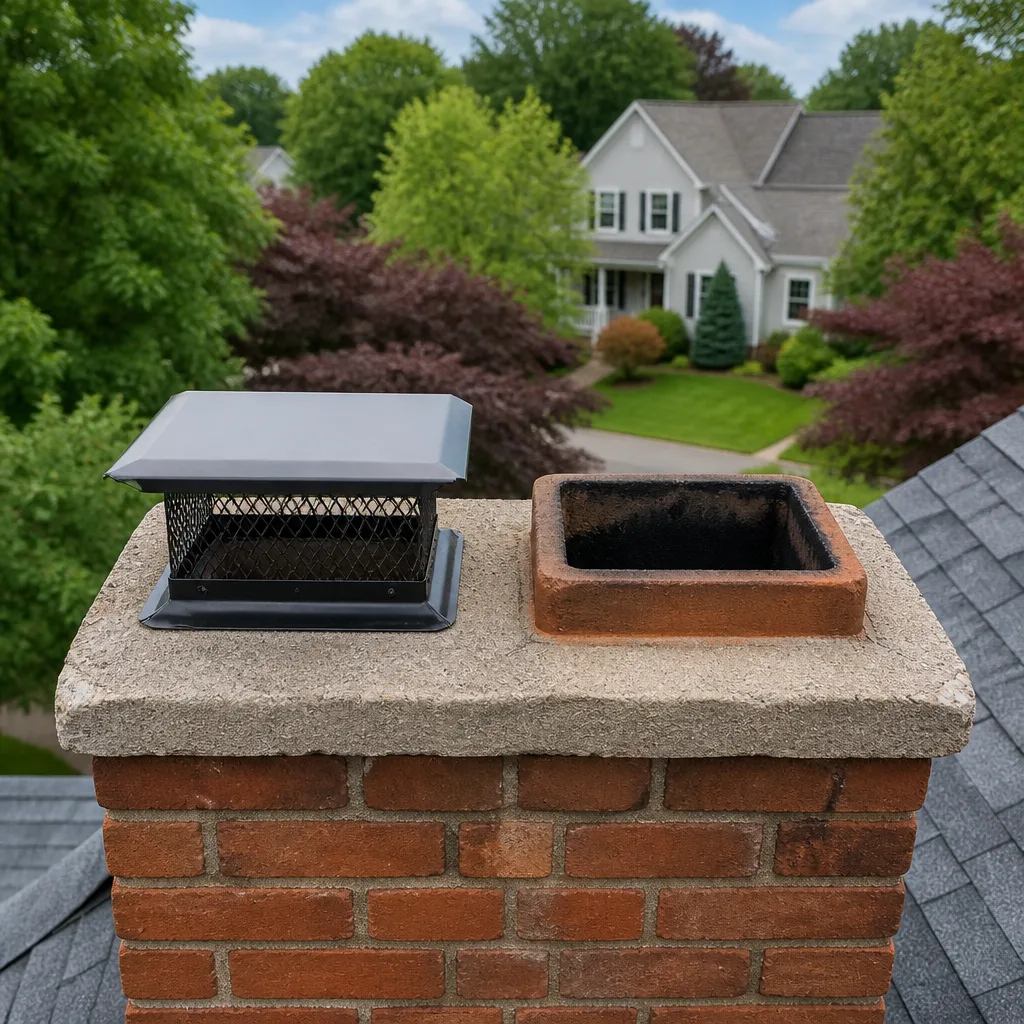 Sweep & inspection
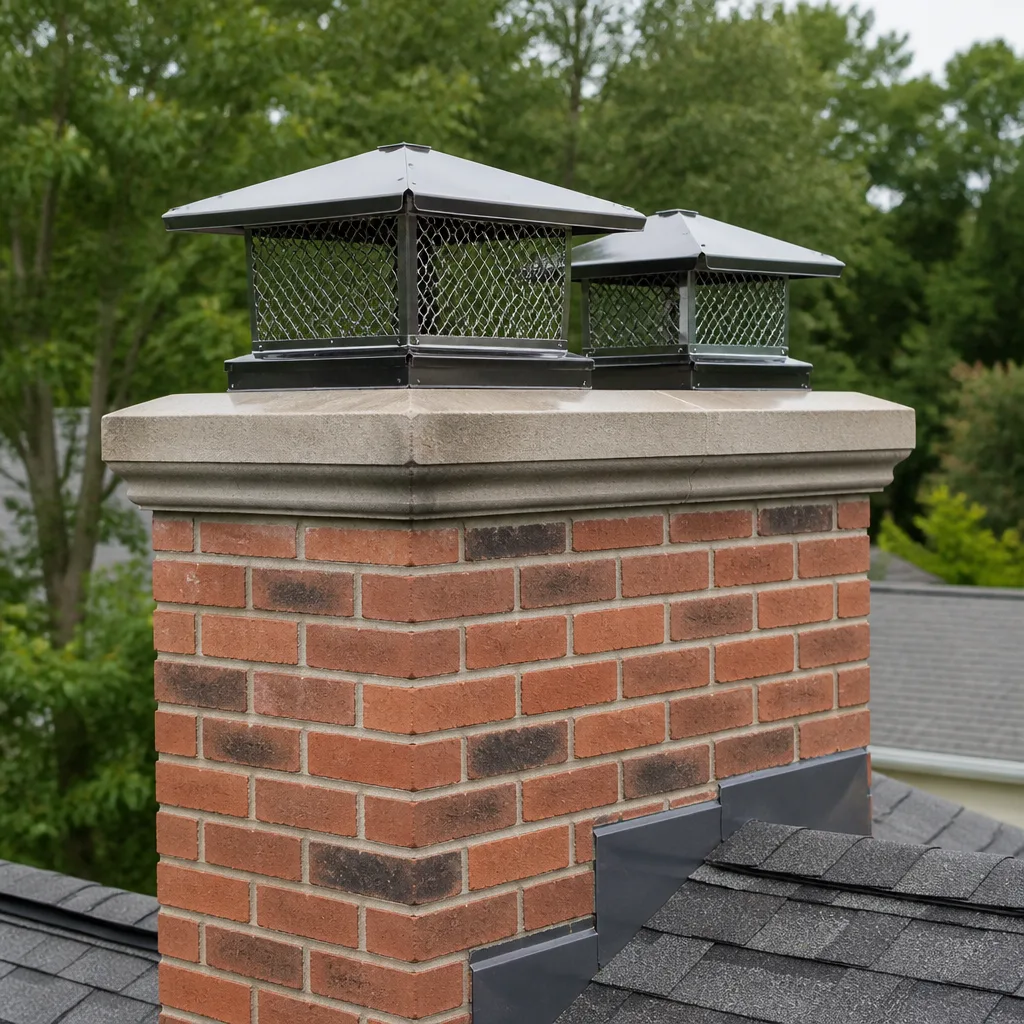 Caps & crowns
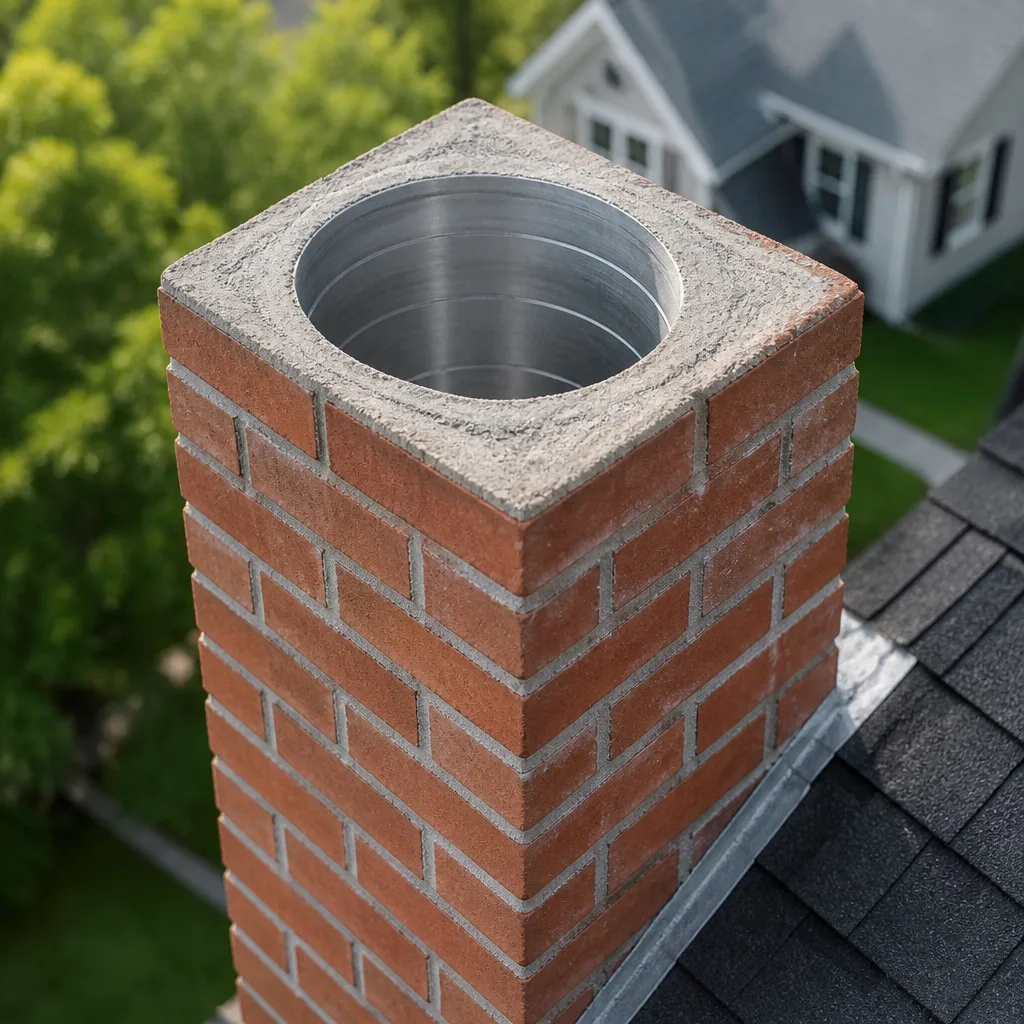 Flue relining
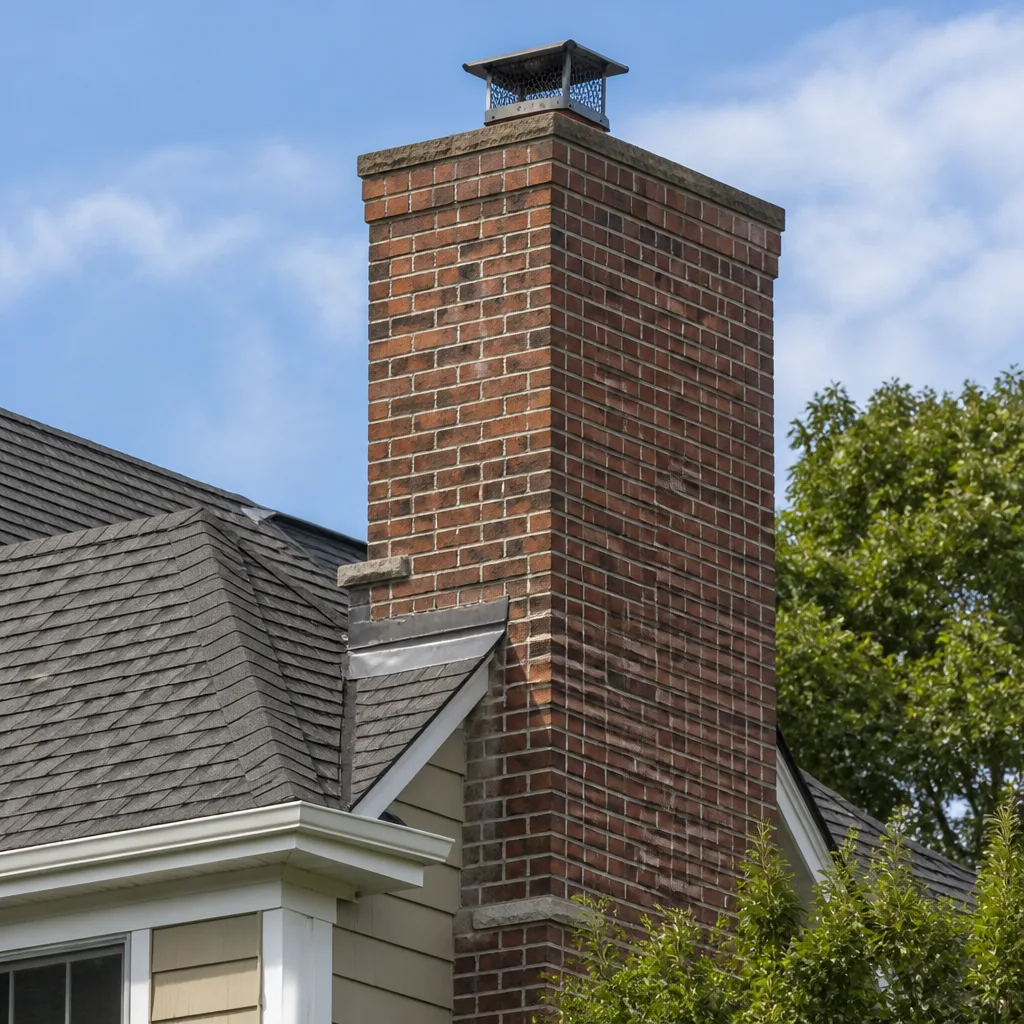 Masonry repair
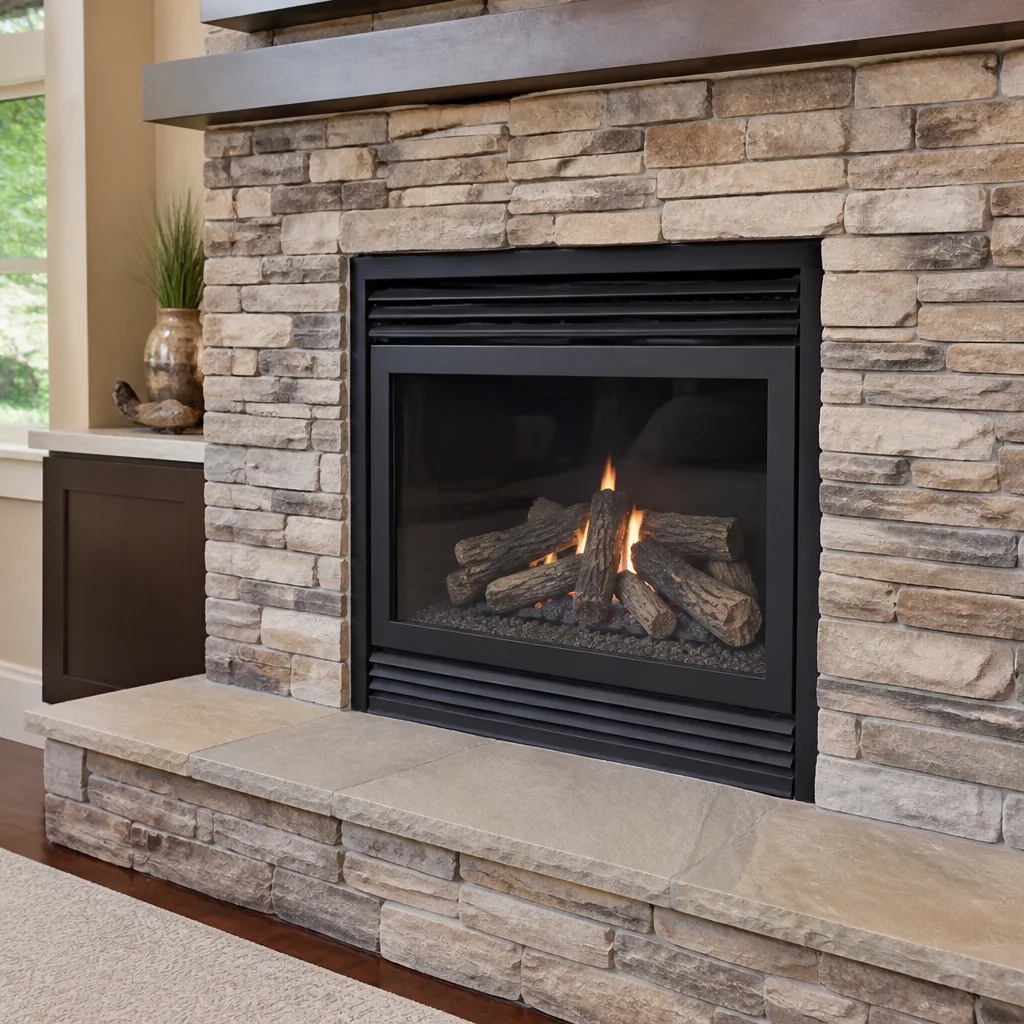 Gas fireplace service
Level 1 sweep and inspection to the NFPA 211 annual standard - flue, crown, cap, and flashing checked and photographed
Chimney sweep logs do not sweep chimneys. They loosen some creosote - which then falls where a brush and vacuum still have to collect it.
DIY vs Professional Chimney Cleaning: The Murray Homeowner’s Decision Guide
You can buy a chimney brush kit online for around $40 and physically move soot from your flue onto a drop cloth. That part is real, and we won’t pretend otherwise. What that kit cannot do is tell you whether the flue tiles behind the soot are cracked, whether your damper seats correctly, whether the crown is shedding water into the masonry, or whether the shiny black glaze on the firebox walls is Stage 3 creosote waiting for an ignition source. A homeowner who brushes a flue has completed roughly one of six tasks that make up a proper chimney service. This guide maps what DIY actually accomplishes, where it makes sense between professional visits, and why an annual inspection through Murray Chimney Sweep is the part you shouldn’t skip.
Quick Answer
DIY chimney brushing removes loose soot and is reasonable for light-use homeowners between professional visits, but it cannot evaluate flue tile integrity, damper function, crown condition, or creosote stage. Professional cleaning in Murray includes all of those checks plus camera inspection, which is why an annual professional service is the standard even for homeowners who brush their own flues. If you burn regularly, book a professional sweep and inspection once a year and let the brush be a supplement, not a replacement.
Styles & brands we work with
- Sweep & inspection
- Caps & crowns
- Flue relining
- Masonry repair
- Gas fireplace service
Table of Contents
- What DIY Brushing Actually Accomplishes
- The Honest Capability Map: Six Tasks in a Real Cleaning
- Where DIY Maintenance Between Professional Visits Makes Sense
- Why Annual Professional Inspection Is Non-Negotiable
- Creosote Stages and Why You Can’t Judge Them by Eye
- The Insurance and Documentation Angle
- How to Get the Most Out of a Professional Visit
- What Murray’s Climate and Housing Do to Your Chimney
What DIY Brushing Actually Accomplishes
A homeowner with a brush, rods, and a shop vacuum can knock down the loose, fluffy soot that accumulates on flue walls during a burn season. On a lightly used fireplace with dry, seasoned wood and a straight flue, that soot layer is often thin, and brushing it away produces a visible result: the flue looks darker-then-lighter, the drop cloth fills, and the homeowner feels they’ve done something meaningful. They have, in a narrow sense. The flue is cleaner than it was.
Here’s what that same homeowner cannot do with a brush and a flashlight. They cannot measure the thickness of glazed creosote at the smoke chamber shelf. They cannot tell whether a hairline crack in a flue tile is a surface blemish or a pathway for carbon monoxide into the wall cavity. They cannot assess whether the mortar crown on top of the chimney has begun to spall, which is the single most common entry point for water damage. They cannot see past the first offset in a flue, and most Murray homes with a furnace flue have at least one.
We’ve pulled brushes out of flues that looked spotless from below and found Stage 3 creosote behind the smoke shelf, or a dislocated tile joint at the ten-foot mark. That isn’t a knock on the homeowner. It’s the geometry of the job. A brush reaches what a brush reaches, and the rest of the chimney is a black cavity you’re evaluating with a flashlight and hope.
When we run a chimney sweep in Murray, the brush is one step. The camera, the mirror, the flashlight, and the trained eye are the rest. That’s the difference between moving soot and knowing your chimney is safe.
The Honest Capability Map: Six Tasks in a Real Cleaning
A proper chimney service isn’t one job. In our experience it’s six distinct tasks, and a brush kit addresses only the first. Here’s the honest breakdown, task by task, of what a homeowner can accomplish and what needs a trained professional with the right tools.
- Loose soot removal from the flue. DIY-capable on a straight flue with a proper brush and drop cloth. Professional service does this with a vacuum-assisted brush system that captures the dust at the source, which matters if you have allergies or a finished basement near the cleanout.
- Creosote stage assessment. Not DIY-capable. Stage 1 is flaky and brushable, Stage 2 is tar-like and requires a chemical product, Stage 3 is glazed and hardened and needs mechanical removal. Distinguishing them requires scraping a section, examining the texture, and knowing what to look for.
- Flue tile integrity check. Not DIY-capable. Cracks and gaps in flue tiles are visible only with a camera or a mirror and a trained eye. A cracked tile lets heat and gases into the masonry and into the framing around the chimney.
- Damper and firebox assessment. Not DIY-capable for a real diagnosis. A homeowner can see whether the damper opens and closes. A technician checks whether it seats fully against the frame, whether the firebox mortar joints are sound, and whether the smoke shelf is clear.
- Crown and cap condition. Partially DIY-capable from the ground with binoculars or from a ladder, but not safely from the roof without fall protection. The crown is the concrete or mortar cap on top; the cap is the metal or mesh cover on the flue. Both fail over time, and both let water in.
- Camera inspection and photo documentation. Not DIY-capable at all. This is the part that produces a report you can keep, share with your insurer, and use as a baseline for future visits.
You can brush a flue. You can’t do the other five. That’s not a reason to feel bad about DIY; it’s a reason to understand what you’re actually buying when you book a professional. At Murray Chimney Sweep the full six-task service runs on every visit, and we hand you the camera photos so you can see what we saw.
Where DIY Maintenance Between Professional Visits Makes Sense
We’re not going to tell you that every touch of your chimney needs a professional. There’s a real, useful role for the homeowner, and it’s between the annual visits. Here’s where DIY genuinely helps in a Murray home.
- Light seasonal users. If you burn a handful of fires a year, a between-season brush to knock back the fluff is fine, and it keeps the flue from getting ahead of you. Pair it with one professional sweep and inspection a year, not instead of it.
- Gas fireplace glass cleaning. The glass on a gas fireplace fogs with a white film that’s a normal byproduct of combustion. Manufacturers publish a cleaning method for their own glass, and following it keeps the view clear. Do not open the sealed combustion chamber of a gas unit; that’s a technician’s job.
- Exterior cap checks from the ground. With binoculars or a phone camera zoom, you can spot a rusted cap, a missing cap screen, or a visible crack in the crown. Catching these early is worth real money because water entering through a failed crown is the most common path to long-term chimney damage.
- Ash removal and firebox tidy. A metal ash can, a hearth vacuum, and a little routine care keep the firebox clean and the smoke shelf clear. This is safe homeowner work and it makes the flue brush more effective.
- Wood storage and burn habits. Seasoned wood, split and stacked and covered, burned hot and clean, produces far less creosote than green or wet wood. You control this entirely, and it’s the single biggest lever a homeowner has on chimney health.
The line to hold: DIY between professional visits, never instead of one. A sweep without an inspection is guesswork, even when a trained technician does the sweeping. When a homeowner does the sweeping with a hardware-store brush, the guesswork is one layer deeper.
Why Annual Professional Inspection Is Non-Negotiable
Even homeowners who brush their flues every season should book an annual professional inspection. The reason isn’t that the brushing is wasted; it’s that brushing and inspection answer different questions. Brushing answers “is the flue dirty?” Inspection answers “is the flue safe?” They’re not the same question, and the second one is the one that matters.
Here’s what a trained technician is actually looking for during a proper inspection in Murray, and why it can’t be done with a flashlight from the firebox:
- Flue tile cracks and gaps that let heat reach the framing. These are common at tile joints and at the top of the flue where the tile meets the crown, and they’re invisible from below.
- Stage 2 and Stage 3 creosote in the smoke chamber and at offsets where the flue changes direction. The smoke chamber is the sloped area above the damper; a brush doesn’t reach into its corners.
- Damper seating. A damper that doesn’t close fully is a heat loss problem in winter and a smoke problem in summer. A damper that doesn’t open fully is a smoke-in-the-room problem on the first fire you light.
- Crown condition. Spalling, cracking, and separation from the flue are the leading inlets for water damage. We inspect crowns on every visit because a small crown repair is far cheaper than the masonry and framing work a failed crown can trigger.
- Cap condition. A missing or damaged cap lets rain, snow, and animals into the flue. It’s the cheapest line item on the roof and the one that fails most often.
- Chase cover and flashing. On the exterior, the chase cover and the flashing around the chimney are where water gets in. We check them from the roof with fall protection; a homeowner shouldn’t be up there for that alone.
We handle the full chimney, from the firebox to the crown. Our technicians have up to 15 years of experience, and they’ve seen what a chimney looks like after five or ten years of skipped inspections. The pattern is consistent: the failure isn’t dramatic, it’s gradual, and it starts with something small that a trained eye would have caught.
Creosote Stages and Why You Can’t Judge Them by Eye
Creosote is the residue of incomplete combustion. It comes in three broad stages, and knowing which stage you’re looking at determines what a professional cleaning involves. You cannot reliably judge the stage with a flashlight from the firebox floor, which is the biggest single reason a homeowner can’t self-diagnose chimney risk.
- Stage 1: flaky, soot-like. Brushable. The most common stage in a well-maintained flue with dry wood and hot fires. This is what a homeowner’s brush actually removes.
- Stage 2: tar-like, sticky, or crusty. Brushable only with a chemical pre-treatment; sometimes requires mechanical removal. It looks like regular buildup until you touch it and feel the tackiness. Fires that burn cool, wet wood, or a fire that dies overnight with the damper closed will produce it.
- Stage 3: glazed, hardened, and shiny. This is the fuel that ignites in a chimney fire. It looks like regular buildup until it ignites. It doesn’t respond to a brush and requires mechanical removal, often with rotary equipment.
Here’s the part homeowners miss: Stage 2 and Stage 3 don’t announce themselves. They form in the places the brush doesn’t reach, in the cooler sections of the flue and in the corners of the smoke chamber. A flue that looks brushed-clean from below can hold a Stage 3 deposit six feet up. That’s why we run a camera and a mirror on every chimney repair and inspection visit, and why we send the photos to you. You should be able to see what we saw, not take it on faith.
We work with professional-grade materials including HeatShield for flue resurfacing and DuraFlex for liner systems, and those materials matter most in exactly these situations. A resurfaced or lined flue handles Stage 2 and Stage 3 residue far better than a raw tile interior, and it gives the next technician an honest starting point to inspect from. We’ll never recommend a relining unless the camera shows damage you can see for yourself.
The Insurance and Documentation Angle
Here’s a question almost no homeowner asks until it’s too late: when a chimney-related claim is filed, what documentation exists? A chimney fire, a smoke backup, a carbon monoxide incident, or water damage from a failed crown all trigger the same insurance problem. The insurer will want to know when the chimney was last inspected, by whom, and what was found. “I brush it myself every year” is not a record. A dated inspection report with photographs is.
This is one of the least-discussed arguments for annual professional service, and it’s worth taking seriously. Documentation supports you in three ways:
- Your annual report is a baseline. If a technician documents a sound flue this season and a failure appears next season, the comparison is clear and the claim is straightforward.
- Photographs travel. A photo of a Stage 2 deposit or a cracked tile taken during a professional inspection is objective evidence, and it’s far stronger than a homeowner’s description of what they saw.
- Some carriers expect it. We can’t speak to any specific policy, but we can tell you a documented maintenance history is what an adjuster wants to see when a claim is filed. It’s a routine part of the file.
We don’t bill your insurance directly, but we can work with your insurer and provide the documentation they request. The report is yours, and you can share it with anyone. Our Murray Chimney Sweep team builds that report on every inspection because the document matters as much as the sweep.
How to Get the Most Out of a Professional Visit
The single best thing you can do for your chimney is not on the roof; it’s in the conversation you have with the technician when they arrive. A properly calibrated inspection depends on knowing how you actually use the chimney. Tell them, specifically:
- How often you burn. A nightly winter fire and a few holiday fires produce very different creosote loads, and the inspection should reflect that.
- What you burn. Split hardwood, seasoned six months or more, keeps creosote low. Anything else, including paper, cardboard, or green wood, adds to the load.
- How the fire behaves. Does smoke spill into the room when you light it? Does the damper feel sticky? Does the fire struggle to draw? Small observations are diagnostic gold.
- What’s happened nearby. A recent roof replacement, a new furnace in the mechanical closet, or a chimney-adjacent renovation can affect the chimney’s chase and flashing.
- What you’ve already done. If you’ve brushed the flue yourself, say so and describe the equipment. It changes what the technician prioritizes.
At Murray Chimney Sweep we use that information to calibrate the inspection, and we walk you through what we found with photographs. If your fireplace needs a repair, we scope it, price it, and do the work ourselves; you don’t get handed off to a second contractor. If it can safely wait a season, we’ll say so. We fix what causes the problem, not just what shows the problem.
Between visits, if you need help thinking through a fireplace repair decision before your next sweep, that conversation is free. The reader’s real hesitation is being told they need thousands of dollars in liner or masonry work with no way to verify it, and we answer that honestly: nothing gets recommended without camera evidence you can see, and we’ll tell you when work can safely wait.
What Murray’s Climate and Housing Do to Your Chimney
Murray sits in a valley where winter nights run cold and inversions hold cold air close to the ground. The colder the outside air, the harder a chimney works to draw, and the more opportunities a marginal flue has to fail. When the fire burns cool and the flue is cold, combustion is incomplete, and incomplete combustion produces the creosote stages that brush kits can’t handle.
The housing stock in Murray makes this more relevant, not less. Many homes here have chimneys that were built for wood heat decades ago and have since been connected to a furnace as well, sometimes sharing a chase. A furnace flue adds moisture and byproducts a wood-only chimney was never designed to handle, and the result is more rapid deterioration of tile and mortar. If your chimney has more than one flue or serves more than one appliance, that alone is a reason to have a professional look at it annually, even if you brush it yourself.
The seasonal rhythm we recommend:
- Before the burn season: one professional sweep and inspection. This is the visit that matters most, and it’s the one to book early.
- Mid-season: a homeowner brush on a light-use flue, if you want to, and a check of the cap from the ground.
- End of season: watch for water staining on the chase cover, a cracked crown visible from the ground, or smoke spilling when you last lit a fire. Any of those is a signal to book an inspection.
- Any chimney fire, however brief: an inspection. A chimney fire can crack tiles and open gaps without the homeowner noticing anything beyond the noise or the smell.
We do chimney cap and crown work because those are the two most common entry points for water damage in this valley, and water is the slow destroyer of chimneys. Gelco and Copperfield components, along with the rest of our professional lines, are what we use when the diagnosis calls for a replacement rather than a repair.
Common Mistakes to Avoid
- Treating a brush as a substitute for an inspection. A brush cleans what it reaches; it says nothing about what it doesn’t. If you brush your own flue, the annual professional inspection is the part you should never remove from the schedule.
- Judging creosote by sight alone. Stage 2 and Stage 3 deposits look like ordinary buildup until they don’t. A flashlight from below cannot tell you which stage you’re looking at, and Stage 3 is the fuel that ignites in a chimney fire.
- Skipping the crown and cap. These are the cheapest parts of the chimney to maintain and the most expensive to ignore. Water entering through a failed crown doesn’t announce itself; it shows up as staining on the chase months later.
- Climbing the roof without fall protection. A homeowner on a Murray roof checking a chimney cap, in cold or wet weather, is taking a serious risk for a job a professional does safely on every visit. Look from the ground with binoculars and let a trained technician go up.
- Burning wet or green wood to save money. It produces more creosote, which is more work to remove and more risk to the flue. Seasoned firewood is the single biggest lever a homeowner has on chimney health.
- Ignoring a chimney fire because “it went out on its own.” Even a brief chimney fire can crack flue tiles and open gaps that let heat and gases reach the framing. It always warrants an inspection afterward.
- Waiting until you smell smoke. By the time smoke backs up or the fire struggles to draw, the cause is usually something that’s been developing for a season or two. Annual inspection catches it earlier, when the fix is smaller.
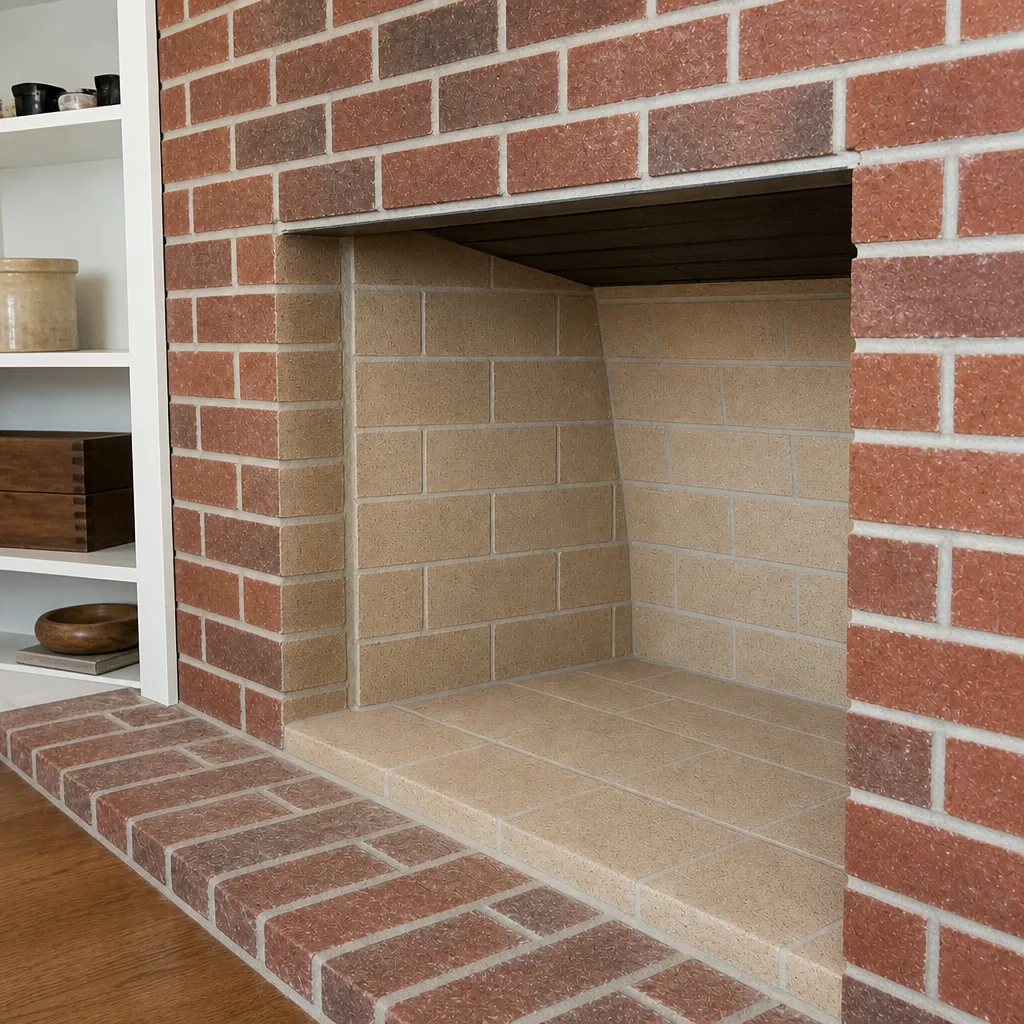
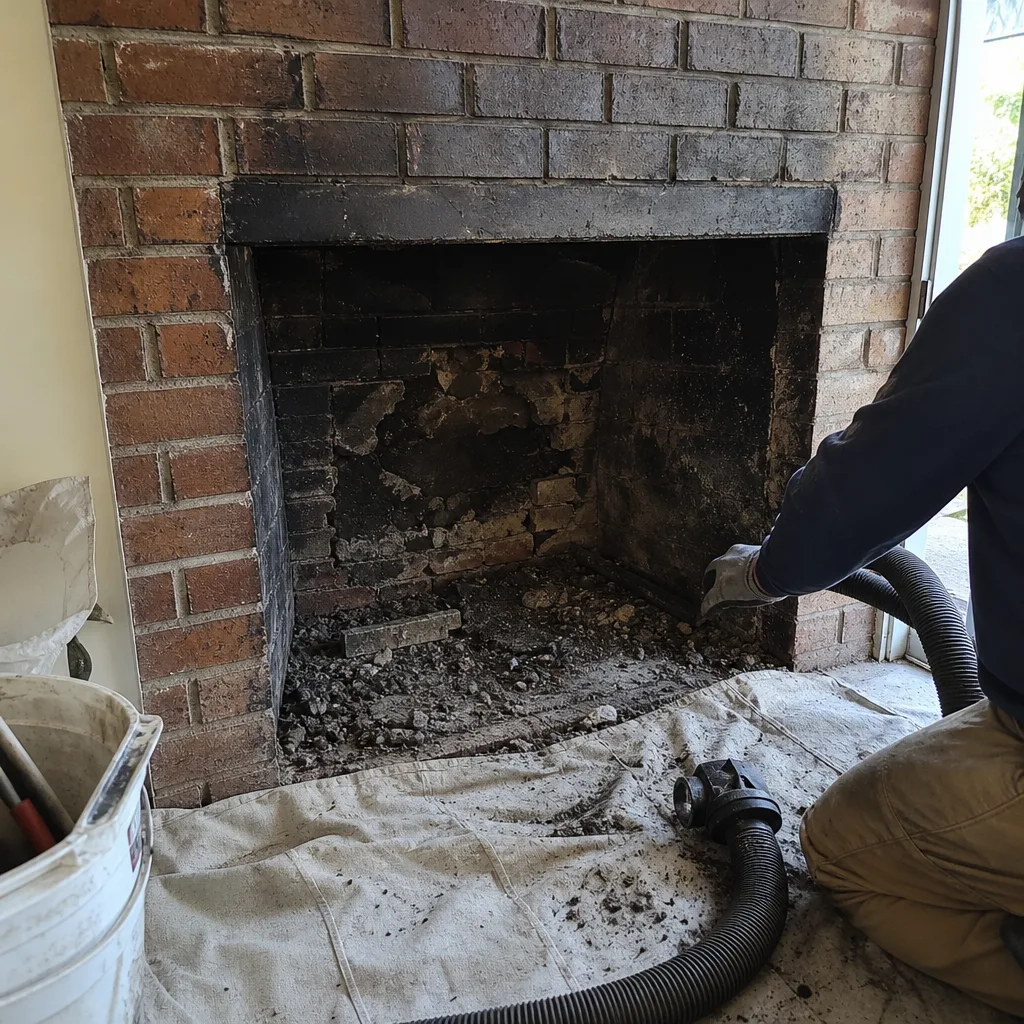
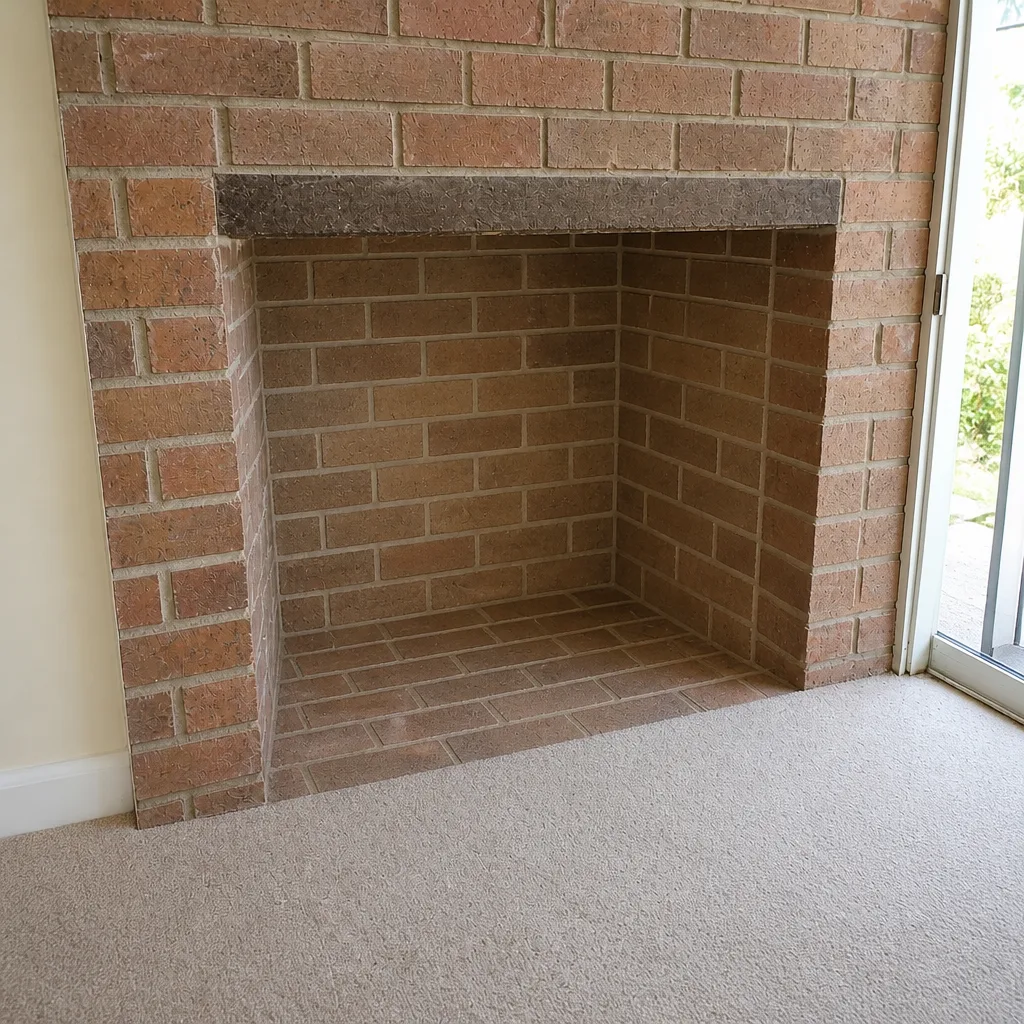
See the difference
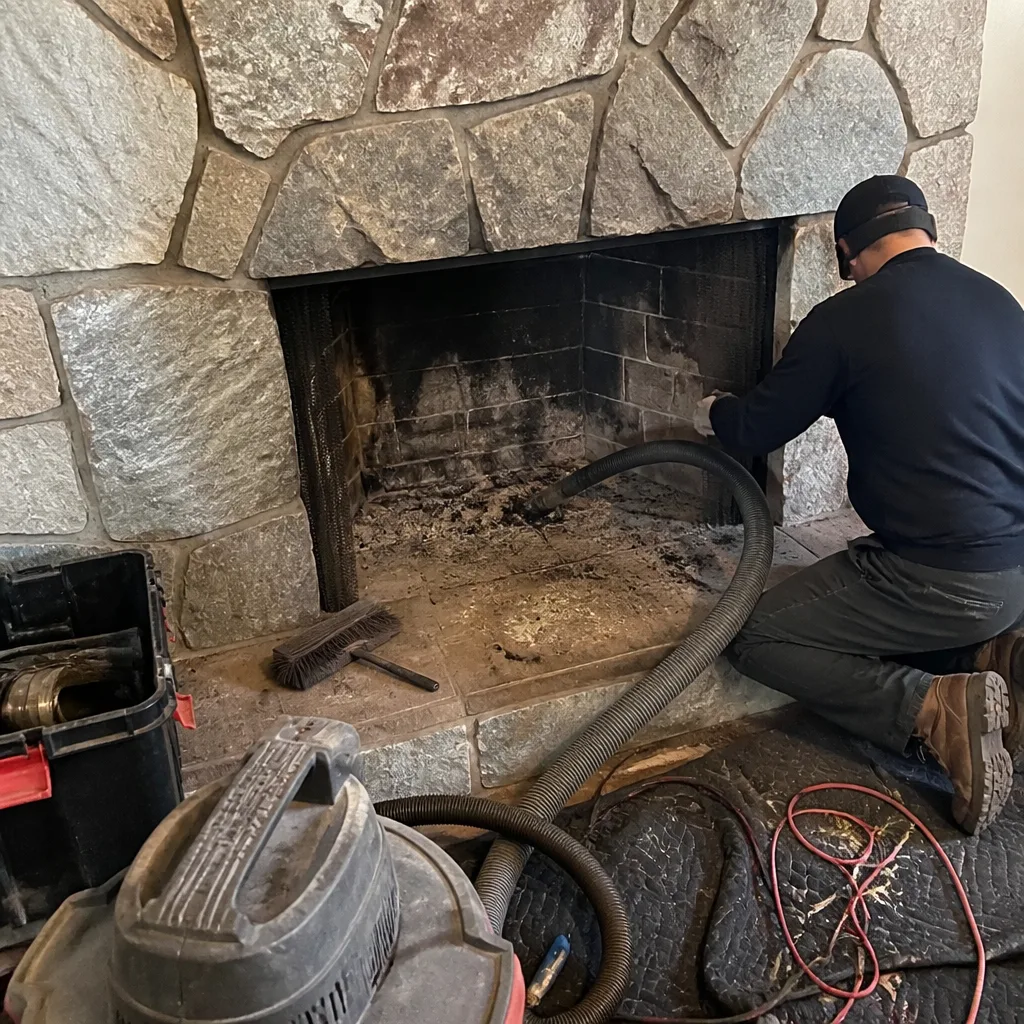 Before
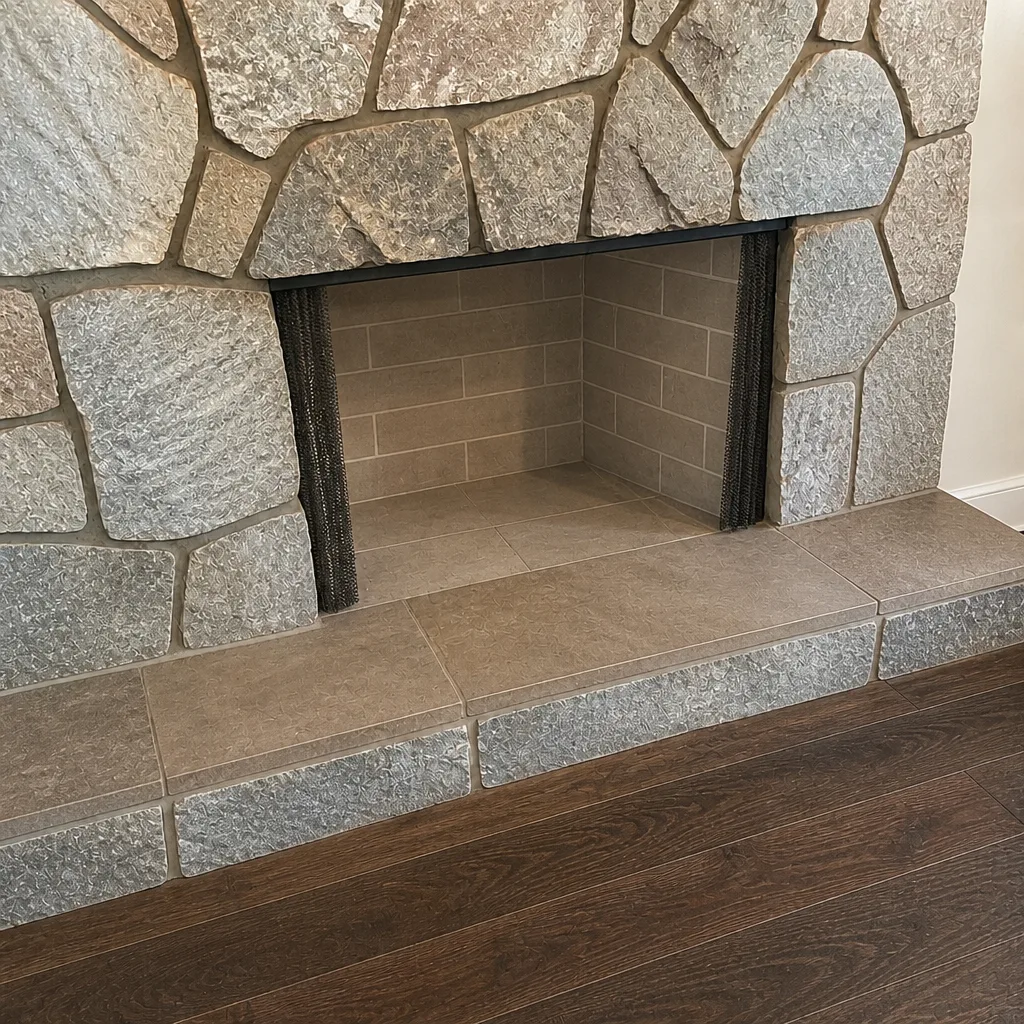 After
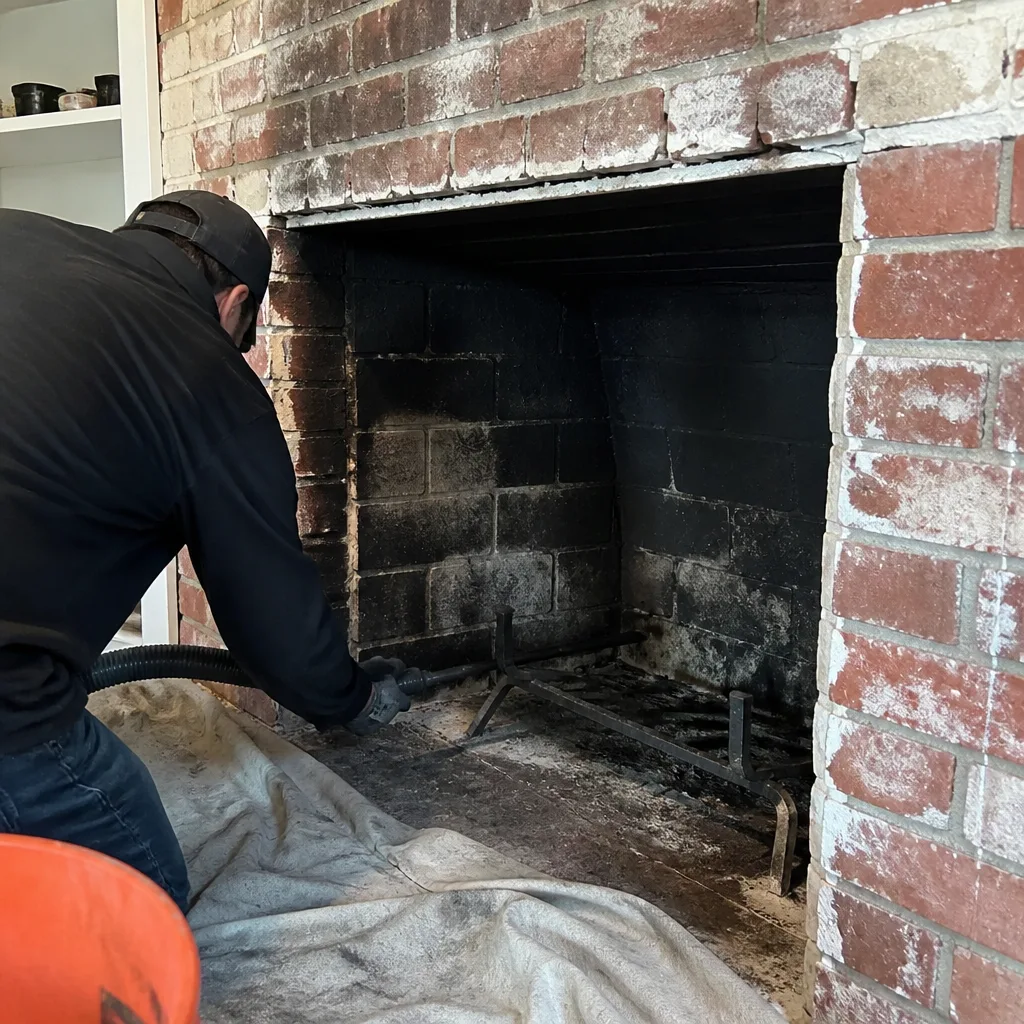 Before
 After
 Before
 After
When to Call a Professional
Call a professional for anything beyond flue brushing and the exterior checks you can safely do from the ground. That includes: your annual sweep and inspection, regardless of whether you also brush; a chimney fire, even a brief one; smoke backing up into the room when you light a fire or when the fire dies down; a visible crack in the crown or a rusted, missing, or damaged cap; water staining on the chimney chase or inside around the fireplace; a damper that sticks, doesn’t seat, or won’t open fully; and any appliance flue that serves more than one purpose. Murray Chimney Sweep offers free estimates in Murray; call (833) 468-3004 to book a sweep and inspection. The chimney is a safety system, and most of what can go wrong is invisible from the firebox.
Frequently Asked Questions
Once a year for any home with regular wood-burning use, and annually regardless of use for inspection. Brushing frequency depends on burn volume, wood moisture, and creosote load, but the annual professional inspection is the fixed point. Call (833) 468-3004 for an exact quote on a sweep and inspection; estimates are free.
You can remove loose soot from a straight flue with a brush kit, and that’s a real, useful thing to know how to do. You cannot evaluate creosote stage, flue tile condition, damper function, or crown and cap health with a brush, and those are the parts that determine safety. Use the brush between visits, not instead of the inspection.
Nothing dramatic, for a while. The risk accumulates quietly: thin creosote deposits thicken, small tile cracks open into gaps, a crown begins to spall, a cap rusts through. Each of those is cheap to fix early and expensive to fix late. When it goes wrong, the event is a chimney fire or water damage, and the cost reflects years of skipped visits rather than one. Call (833) 468-3004 to schedule an inspection; estimates are free.
You need a new liner when the camera shows a gap, crack, or failed joint that lets heat or gases escape, and not before. We define that line with photographs taken during the inspection, and we hand you the photos. If we say a liner is needed, you’ll see the damage yourself. If the flue can safely wait, we’ll tell you that too. Call (833) 468-3004 for an exact quote; estimates are free.
Often, yes. A professional sweep with vacuum-assisted equipment leaves the firebox, smoke chamber, and flue cleaner and cleaner-looking than a homeowner brush, and the difference is most obvious in the smoke chamber corners and at offsets that a straight brush can’t reach. More importantly, the professional visit includes the inspection, which is the part you can’t replicate at home.
Tell the technician how often you burn, what wood you use, how the fire behaves, and what you’ve already done to the flue. That information calibrates the inspection. We walk you through photos of what we found and give you a written estimate for any repair, so the price is set by the estimate and nothing is a surprise. Call (833) 468-3004 to book; we answer 24/7, with fast dispatch from 7am to 7pm, Sunday through Friday.
The Bottom Line
The DIY vs professional question has a simple shape once you see the six tasks. Brushing is one. Inspection, assessment, camera documentation, crown and cap evaluation, and damper diagnosis are the other five, and none of them can be done with a hardware-store brush and a flashlight. So brush your own flue between visits if you want to; it’s genuinely useful on a light-use fireplace. Then book the annual professional sweep and inspection that catches what the brush leaves behind. That’s the balance that keeps your Murray chimney safe without making every visit a repair. Call (833) 468-3004. We answer 24/7, with fast dispatch from 7am to 7pm, Sunday through Friday; we’re closed Saturday.
Written by the team at Murray Chimney Sweep.