
Last updated November 24, 2026
 Sweep & inspection
 Caps & crowns
 Flue relining
 Masonry repair
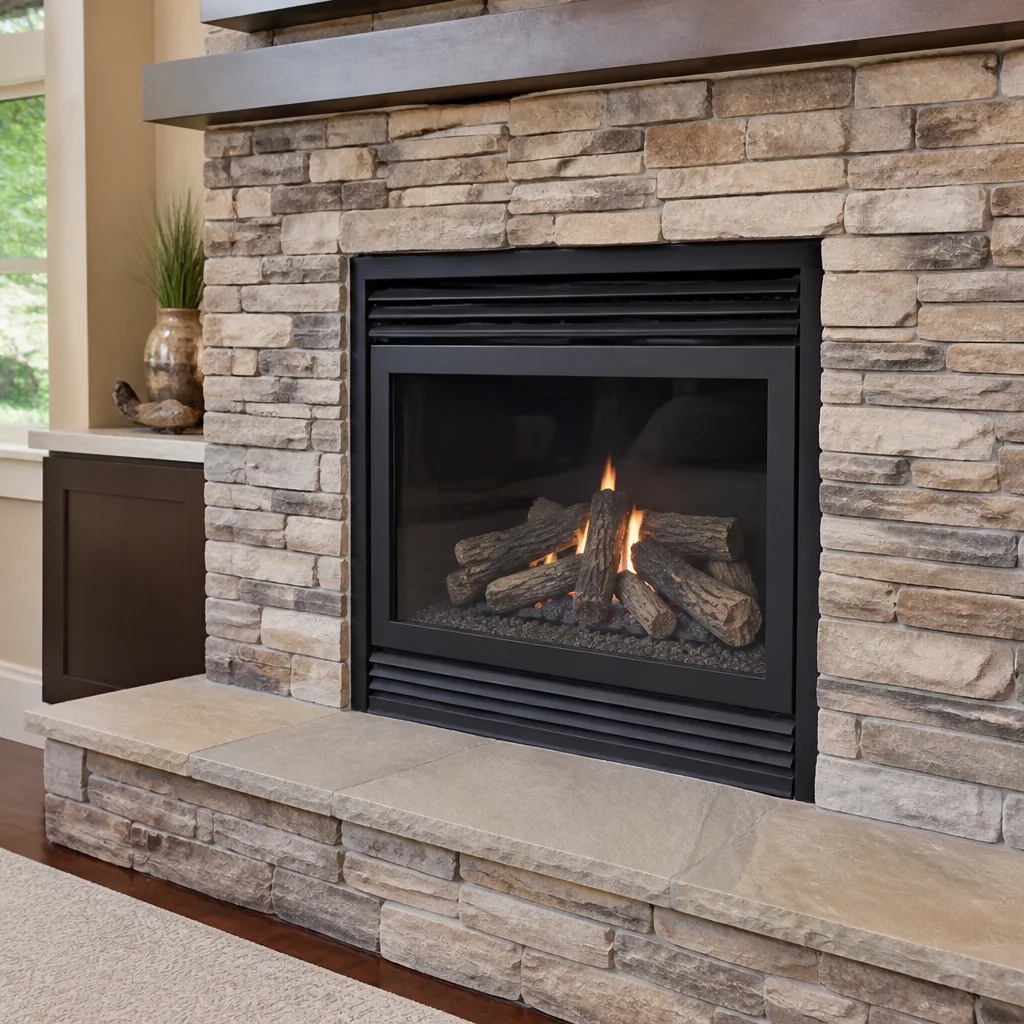 Gas fireplace service
Level 1 sweep and inspection to the NFPA 211 annual standard - flue, crown, cap, and flashing checked and photographed
Chimney sweep logs do not sweep chimneys. They loosen some creosote - which then falls where a brush and vacuum still have to collect it.
Chimney Sweep Maintenance Checklist for Murray Homeowners
A checklist that says “inspect your chimney once a year” is about as useful as a car manual that says “maintain your vehicle.” It tells you the category of thing you should be doing without telling you when, why, or what happens if you skip it. Chimneys don’t fail on a neat annual schedule. They fail in the specific order a Utah winter attacks them: snowmelt into a hairline crown crack in March, a cracked flue tile by August, a smoking fireplace the first cold night in October. What follows is the month-by-month calendar we’d hand a Murray homeowner if they asked what actually needs to happen to the chimney on their house – and what each missed task turns into.
Quick Answer
A chimney in Murray needs a professional sweep and inspection once a year, ideally in September before burning season, a mid-season visual check in January, and a post-season inspection in March or April to catch freeze-thaw damage to the cap and crown before summer. Between those visits, homeowners should check the damper, the visible cap, and how the fire draws. The single most valuable habit is documenting condition year over year so liner degradation is caught as a trend, not a surprise.
Styles & brands we work with
- Sweep & inspection
- Caps & crowns
- Flue relining
- Masonry repair
- Gas fireplace service
Table of Contents
- The Murray Chimney Calendar: Month by Month
- Pre-Season: What September Work Prevents
- Mid-Season: The January Check That Catches Creosote
- Post-Season: Why March Is Cap and Crown Time
- Off-Season: What to Do With the Chimney in Summer
- What You Can Check Yourself vs. What Needs a Technician
- How to Document Your Chimney Year Over Year
- What Utah Insurers Look For After a Chimney Claim
The Murray Chimney Calendar: Month by Month
Think of chimney maintenance in four seasons rather than one annual errand. The reason is that Murray’s climate does damage in phases. Summer baking dries and cracks mortar. Fall is when creosote loads build and the first cold snaps expose draft problems. Winter alternates snow and thaw, which is the wet-dry cycle that widens every small failing on the exterior. Spring is the only season where you can catch that winter damage early enough to stop it before the next freeze.
Here’s the calendar, with the failure mode attached to each entry:
- Early September – sweep and full inspection. Book a chimney sweep before the first cold night. Miss it and creosote from last season sits in the flue all winter, raising fire risk every time you light a fire.
- Early to mid October – first burn test. Light a small fire and watch the draw. If smoke rolls into the room, stop and get it inspected. Miss it and you’ll be calling someone the night of the first freeze along with everyone else in Murray.
- January – mid-season visual check. Look at the exterior for fresh staining, check the firebox and damper, and note any change in how the fire behaves. Miss it and a flue problem can develop underneath a fire that “still works.”
- March or April – post-season inspection and cap/crown review. This is the one most homeowners skip entirely. Miss it and a small crown crack from winter freeze-thaw becomes a water channel into the flue by the following winter.
- June or July – off-season repairs. If the spring inspection found cap, crown, or resurfacing work, this is the window to schedule it. Miss it and the repair gets compressed into September, right before you need the chimney.
Notice that three of the five entries are outside the traditional “fall sweep” moment. That’s on purpose. A sweep without an inspection is just guesswork. In Murray, the inspection side of the calendar is what keeps a chimney in service for decades.
Pre-Season: What September Work Prevents
Pre-season is about two things: clearing last season’s creosote and confirming the flue is intact before you rely on it. A trained technician sweeps the flue, inspects the firebox, damper, smoke chamber, and the visible portions of the liner, then looks down the flue with a camera to check the tiles above the firebox. On a typical Murray home, this is a single visit that tells you whether the chimney is ready for winter or needs a specific repair before it’s safe.
The failure mode for skipping September is a specific one. Creosote builds every time you burn. It comes in three grades – light soot, medium-textured buildup, and glazed creosote, which is hard and tar-like and easy to miss from the firebox. A flue that looked fine in October can be carrying glazed creosote by January, and glazed creosote is the grade most often tied to chimney fires. We’ve seen plenty of flues where nothing seemed wrong to the homeowner and the camera told a different story. That’s exactly why the inspection is bundled with the sweep – it costs you one visit instead of two.
Pre-season is also the right time to address anything the previous spring inspection flagged and you set aside. If a cap was loose in April, replacing it in September is far easier than doing it in December when the chimney is in daily use. If you’ve had your chimney served in prior years, a September sweep is also where year-over-year documentation pays off – more on that below.
Mid-Season: The January Check That Catches Creosote
Mid-season isn’t a full sweep for most households. It’s a check-in. If you burn several times a week, a January visual inspection of the firebox, damper, and exterior of the chimney catches two things: fast creosote accumulation in the flue and any early exterior signs of winter damage. For light burners, this is often just a homeowner self-check. For heavy burners, it’s worth calling us to look.
What to watch for in January:
- A fire that draws noticeably worse than it did in October.
- Dark staining appearing at the top of the firebox or on the face of the chimney breast.
- Smoke backing into the room when you open the damper.
- White or dark streaks on the exterior masonry that weren’t there in the fall.
- Visible creosote buildup on the flue when you look up from the firebox.
Any one of those is a reason to stop using the fireplace until someone has looked at it. Mid-season is also when the fireplace repair side of the job tends to come up – a damper that’s sticking, a cracked firebox brick, a fireplace door that no longer seals. Our fireplace repair service exists because a working fireplace is a system, and a stuck damper or a failed firebrick is a reason to stop burning more often than homeowners expect.
What mid-season is not is a second full sweep. If September was done properly and you’re a typical Murray household burning evenings and cold snaps, one sweep a year is right. If you burn daily from October through March, or you’re burning green or unseasoned wood, you may need a second sweep before spring. The camera at mid-season tells you which case you’re in.
Post-Season: Why March Is Cap and Crown Time
The single most important maintenance item most Murray homeowners skip is the post-season cap and crown inspection. Here’s why it matters more than the fall sweep in this climate. A Murray winter is a freeze-thaw machine. Snow lands on the chimney crown – the concrete or masonry top surface that sheds water away from the flue – and then melts during the day and refreezes at night. That cycle stresses every small crack. Left alone, a hairline crack becomes a channel, and the water that runs down the flue through that channel does damage from the inside that’s invisible from the ground.
March and April are when you can still see what winter did before the summer heat drives the damage deeper and the following winter sends water into it again. A spring inspection lets you:
- Catch new cracks in the crown before they become wide enough to accept meaningful water.
- Check that the chimney cap is still attached, still vented on the sides, and still shedding water.
- Verify that no snow-load or wind event has loosened the cap or driven it out of level.
- Confirm the flue tiles below the crown are intact – water that gets past a bad crown often finds the tiles first.
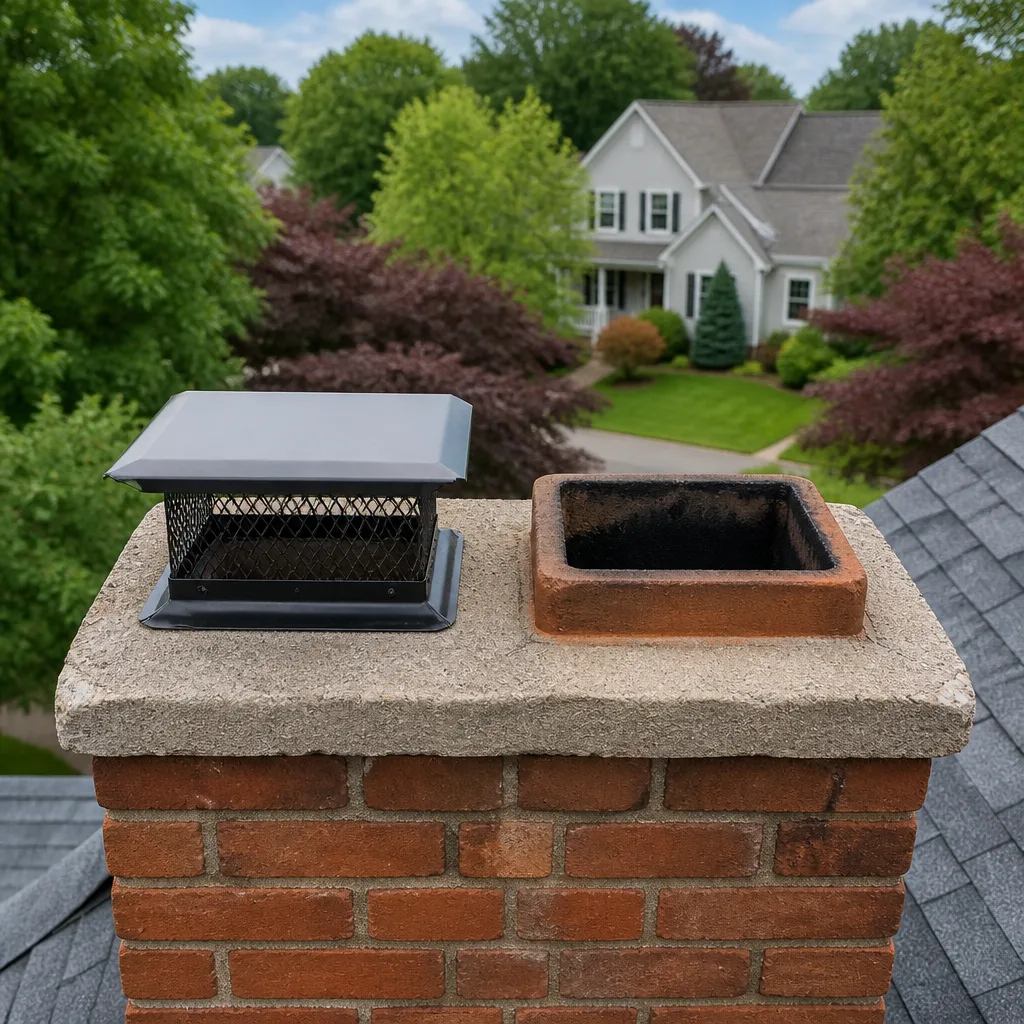
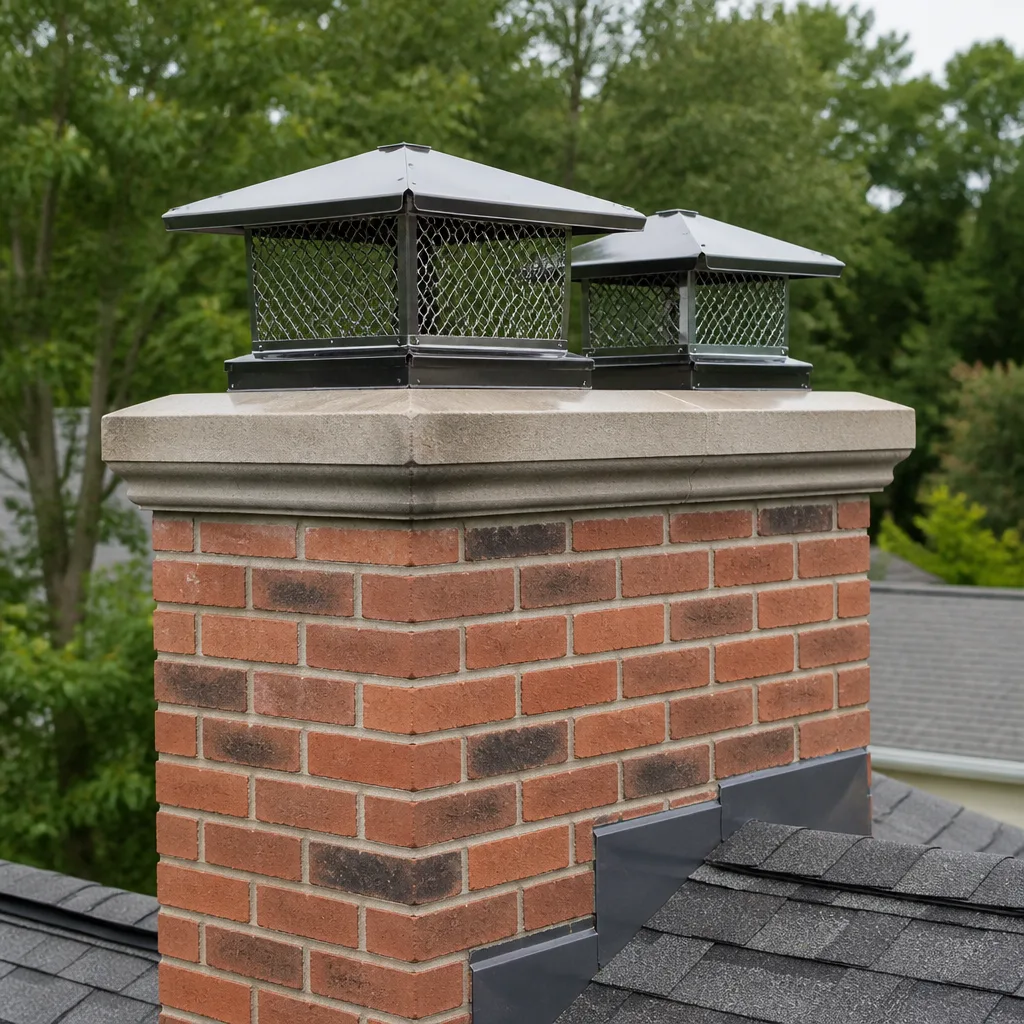
Water infiltration is the leading cause of long-term chimney damage – not creosote. Murray Chimney Sweep handles cap and crown work as one of our five core services precisely because fixing the roof of the chimney is what stops the water at its source rather than chasing the symptom inside. If the crown needs resurfacing, that’s where a material like HeatShield comes in. If the cap has reached the end of its life, a proper cap replacement is a same-day fix.
Spring is also when you want to schedule any resulting repair for the summer, not September. That keeps the pre-season window clear for the annual sweep and doesn’t compress the work into the two weeks everyone calls at once.
Off-Season: What to Do With the Chimney in Summer
You might think the off-season is a rest period for the chimney. It’s the opposite. Summer is when the chimney is dry and accessible, which makes it the right window for anything more than a sweep. A crown resurfacing, a cap and crown replacement, a firebox repair, or a liner job in a chimney repair scenario all go better in June or July than in December.
Off-season tasks for a Murray homeowner, in order of impact:
- Get any spring-flagged repair on the schedule. Crown, cap, firebox brick, and damper work are all easier to complete before the fire season starts.
- Check the flue cap and spark screen for bird or wasp activity. Caps that lose a screen in a spring wind become nesting sites by midsummer.
- Look at the exterior from the ground. Binoculars are enough. Staining, cracked masonry, or a cap sitting crooked are all worth a closer look.
- Inspect the firebox and damper without a fire in them. Rust on the damper, a brick with a visible crack, or a fireback out of position is easier to spot when the fireplace is cold and clean.
- Note anything you want looked at during the September sweep. A short list beats “see what you find” every time.
Follow the same rule in summer that you follow in winter: don’t burn if something looks wrong until a technician has looked at it. Summer is not a reason to relax the standards – the chimney is just as dangerous in July as it is in January, only you’re less likely to think about it.
What You Can Check Yourself vs. What Needs a Technician
Homeowners can safely check three things: the damper, the visible cap, and how the fire draws. Everything past that is technician territory. The line isn’t arbitrary – it’s drawn where visual inspection stops and actual condition assessment begins, and where the work itself can hurt you.
Safe for a homeowner to check:
- Damper operation. Reach into the firebox when there’s no fire and confirm the damper opens and closes fully. It should move without forcing.
- Visible cap condition. From the ground or a window, check that the cap is sitting level and that the screen is intact. Use binoculars; don’t climb.
- Smoke draw. Light a small fire and watch whether smoke goes up the flue or rolls into the room. If it rolls, stop.
- Firebox surface. Look for cracked or displaced firebrick and any obvious staining on the face of the chimney.
Requires a technician:
- Flue cleaning and camera inspection. Creosote removal and flue camera work need proper tools and training.
- Anything on the roof. Caps, crowns, flashing, and masonry are height work. We don’t recommend homeowners get on a Murray roof in winter, and we don’t recommend it in summer either.
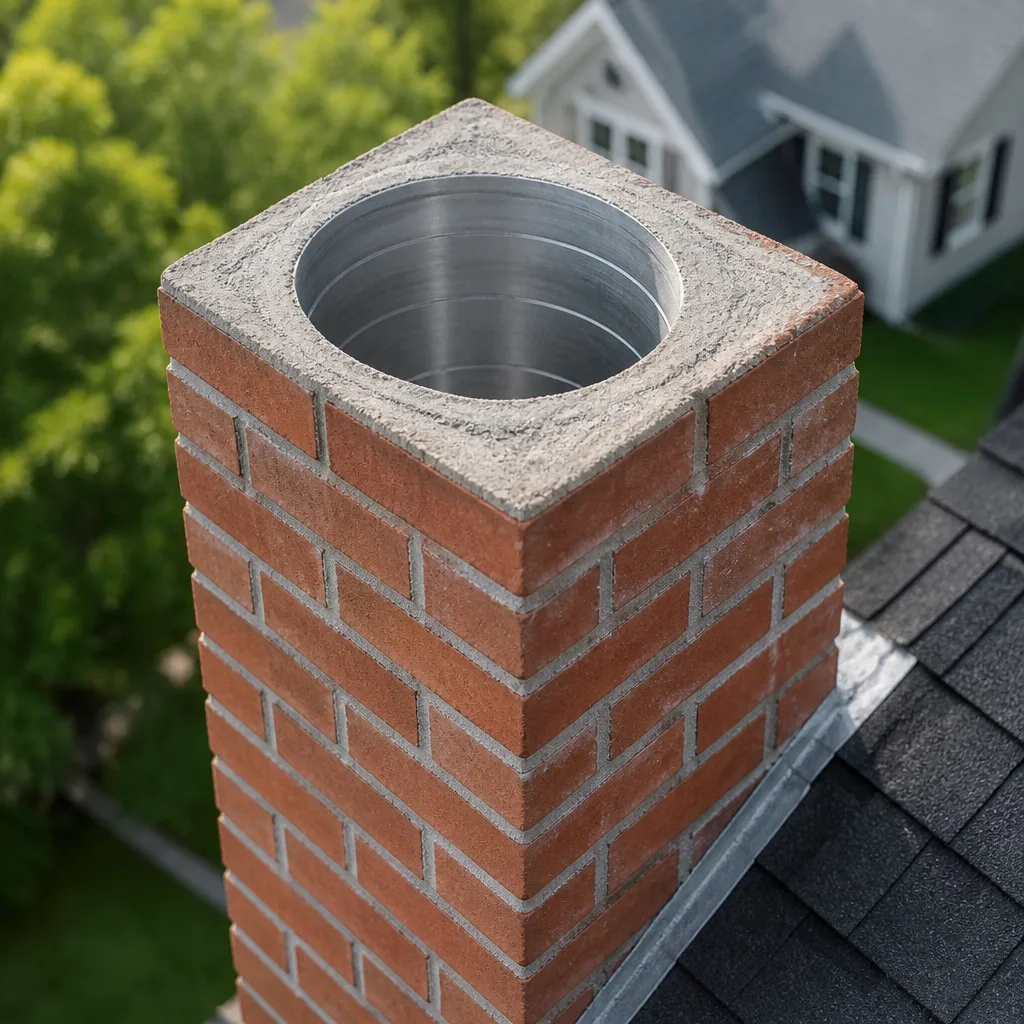
- Liner and flue assessment. Whether the tiles are intact, whether a liner is failing, and whether a chimney repair scenario is developing are all judgment calls that depend on seeing the whole flue.
- Any work near the firebox brick, damper assembly, or structural masonry. These connect directly to the danger – get a trained professional.
We say that last point plainly. The flue and the firebox are not a DIY area. A fireplace that smoked fine yesterday and doesn’t today is a reason to call, not a reason to investigate yourself. Our technicians have up to 15 years of experience, and that experience is largely in knowing when a small problem is genuinely small and when it’s the early stage of something bigger.
How to Document Your Chimney Year Over Year
The single habit that most extends the life of a Murray chimney is keeping a simple record. Not because record-keeping is fun, but because chimney problems develop slowly, and slow development is invisible unless you compare this year to last. A flue tile that shows a hairline crack in 2026 is not a problem in 2026. It’s a problem when you compare it to 2022 and see that the crack has been widening for four years, or when the crown that was “slightly weathered” has lost a quarter inch of surface.
What to keep in a folder, on paper or digital:
- Date of every sweep and inspection, with the technician’s findings written down.
- Any photos or camera-inspection records the technician provides – keep them, dated.
- Notes on cap and crown condition, with a photo each spring.
- Any repairs made, with the material used (for example, whether a crown was resurfaced with HeatShield or replaced).
- Your own notes on how the fire draws and how often you burn.
We provide a camera inspection and a photo report with every visit so the homeowner has something to file that isn’t a verbal description. That’s the record we’re talking about – documentary evidence you can show a future buyer, an insurer, or us at next year’s sweep. Spotting a degradation trend early is the whole point. A liner that’s losing integrity in year three is a repair; the same liner caught in year six is often a replacement, and the difference in both disruption and cost is significant.
What Utah Insurers Look For After a Chimney Claim
If a chimney problem ever becomes an insurance claim in Utah, insurers tend to ask the same set of questions regardless of the carrier. The answers live in the documentation habit above. The insurer is looking for evidence of routine maintenance and a clear record of what condition the chimney was in before the loss. Missing that record is what turns a covered claim into a contested one.
The checklist items Utah insurers commonly look for:
- Evidence of annual sweeping. Dated records showing the flue was swept. “We’ve always had it done” without a record is a weaker position than a folder of dated sweeps.
- Evidence of professional inspection. Dated inspection reports showing the flue and firebox condition at the time.
- Documentation of any repairs and their materials. If a crown was resurfaced or a cap replaced, the date and material matter.
- Proof that known issues were addressed. If a prior inspection flagged a cracked flue tile and it was never repaired, that’s a fact the insurer will weigh.
- Photo evidence where available. Camera inspection records are valuable because they show what was there, not what someone remembers.
- Confirmation that the appliance was used as intended. A fireplace used for regular burning with a maintained flue reads differently from one used for occasional fires with no history.
None of this is a substitute for your actual policy – every Utah policy reads differently, and we don’t give insurance advice. What we’re saying is that the documentation habit most homeowners skip is the one insurers most often ask about. If you’re going to keep one folder on the house, make it the chimney folder.
Common Mistakes to Avoid
- Treating the fall sweep as the whole year. The pre-season sweep is one entry on the calendar, not the calendar itself. The spring cap and crown check is the one that catches the most expensive damage.
- Skipping the inspection because the sweep was done. A sweep without an inspection is just guesswork. The sweep clears the flue; the inspection tells you whether the flue is intact.
- Climbing on the roof to look at the cap yourself. Height work on a Murray roof in any season is a real risk. Binoculars from the ground are enough for the homeowner; the roof access is a technician job.
- Putting off a flagged repair until it becomes a replacement. A small crown crack repaired in spring is a small crown crack. The same crack ignored for two winters can compromise the flue below it.
- Burning unseasoned wood to “save time.” Green or wet wood produces more creosote per fire and increases the load on the flue that a proper sweep has to clear. Seasoned wood burns cleaner.
- Burning with the damper half-open. A partially-open damper is a draw problem waiting to happen. Either open it fully for a fire or keep it closed when there’s no fire.
- Not documenting anything. The one habit that costs nothing and saves the most is a dated note of every sweep, inspection, and repair with photos. It’s what lets you spot a degradation trend before it’s a repair bill, and it’s what an insurer will ask for.
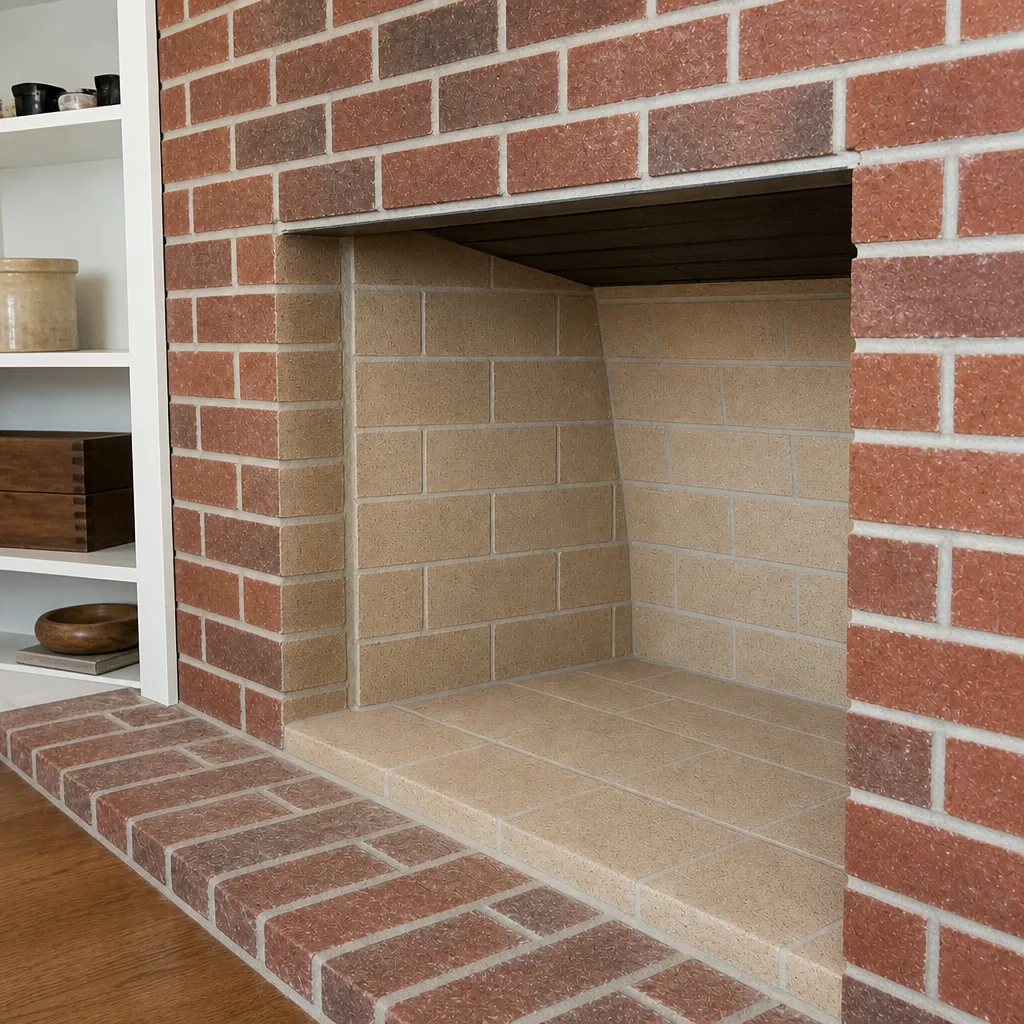
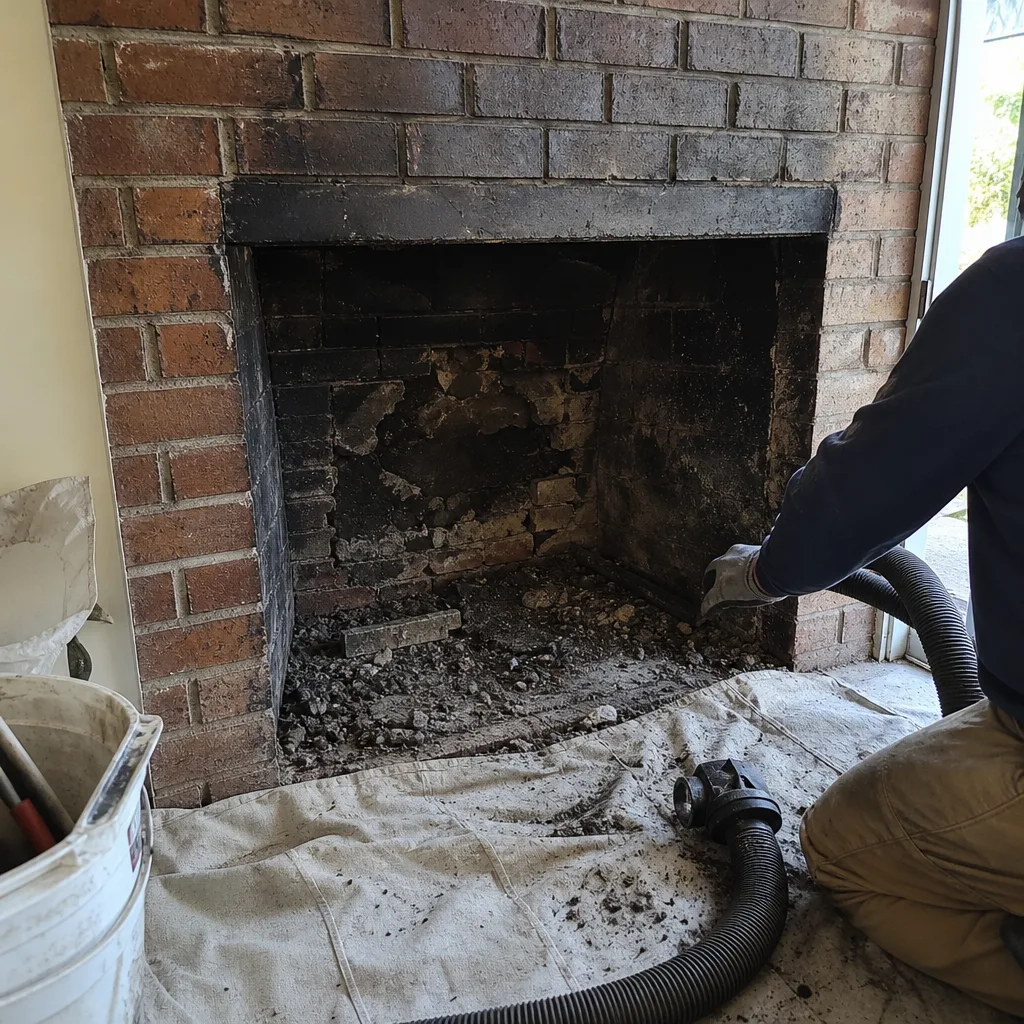
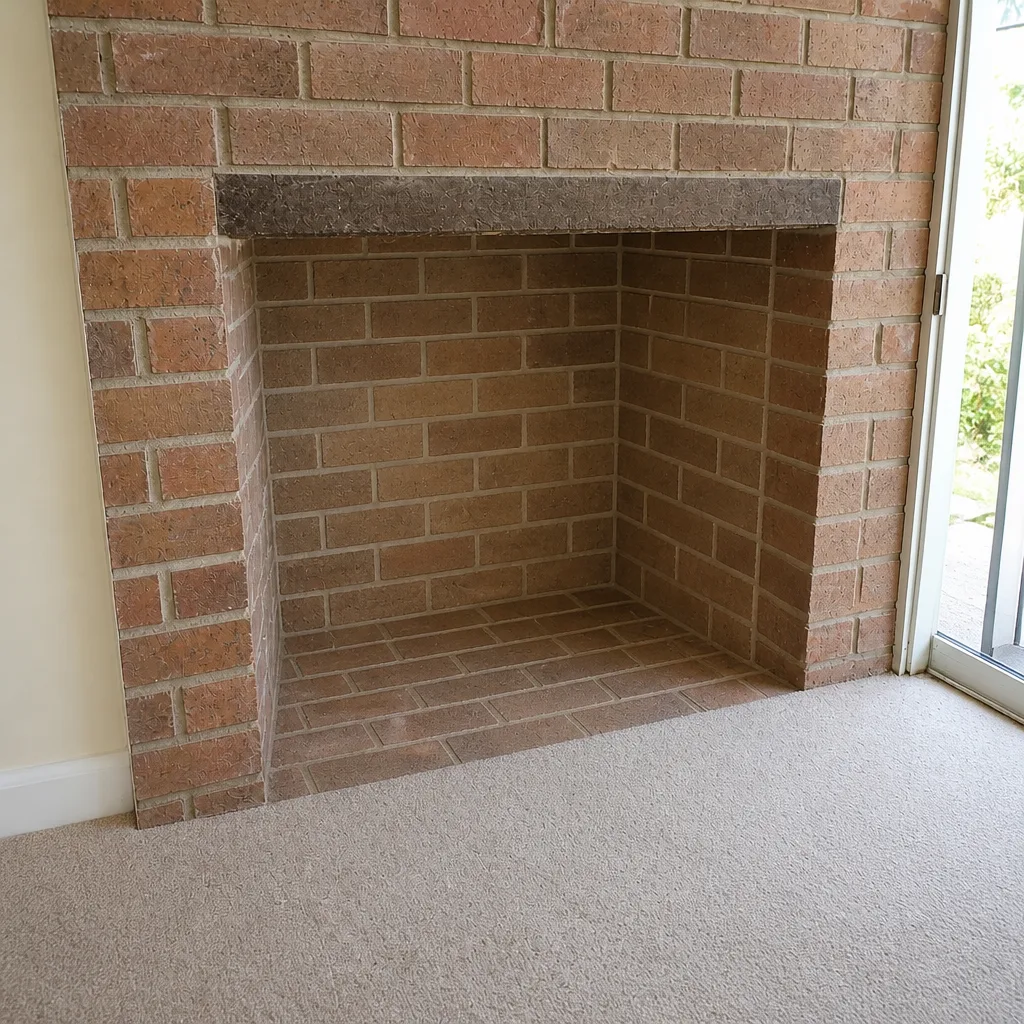
See the difference
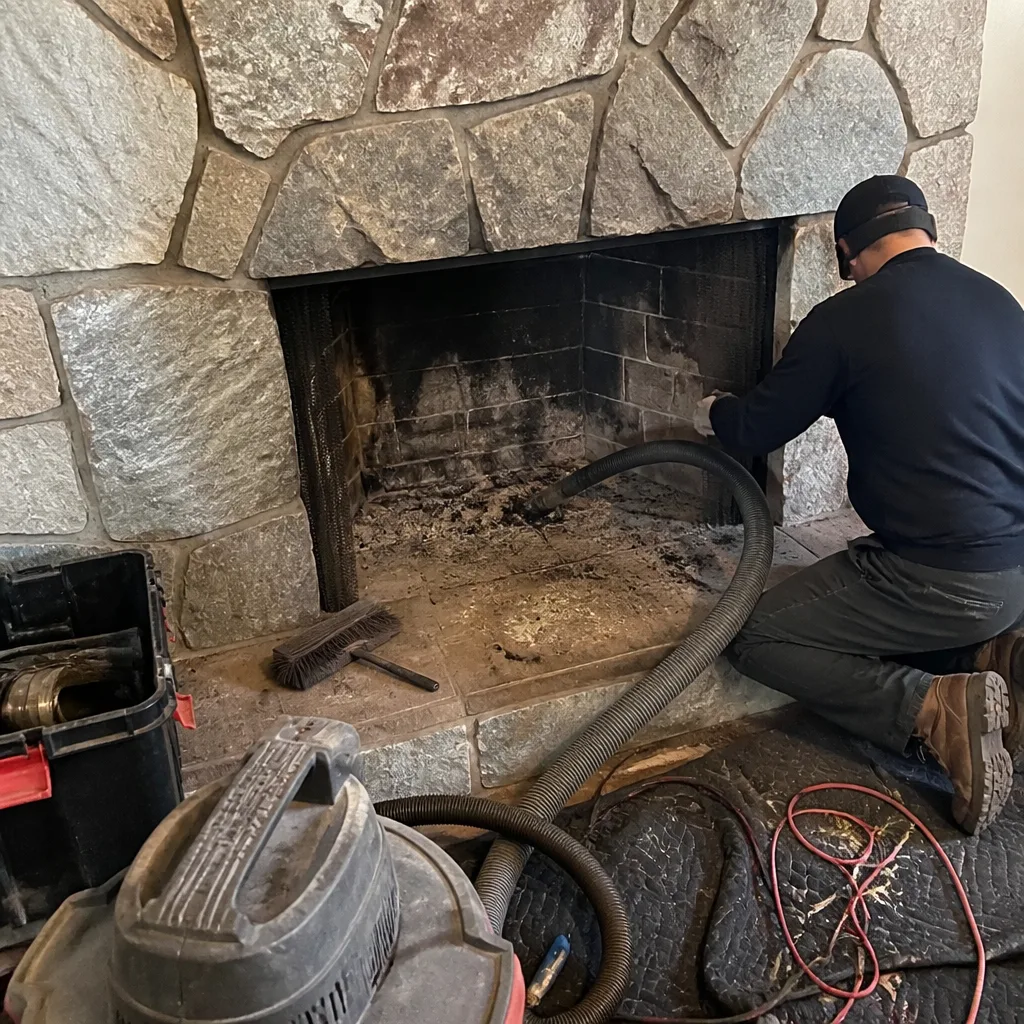 Before
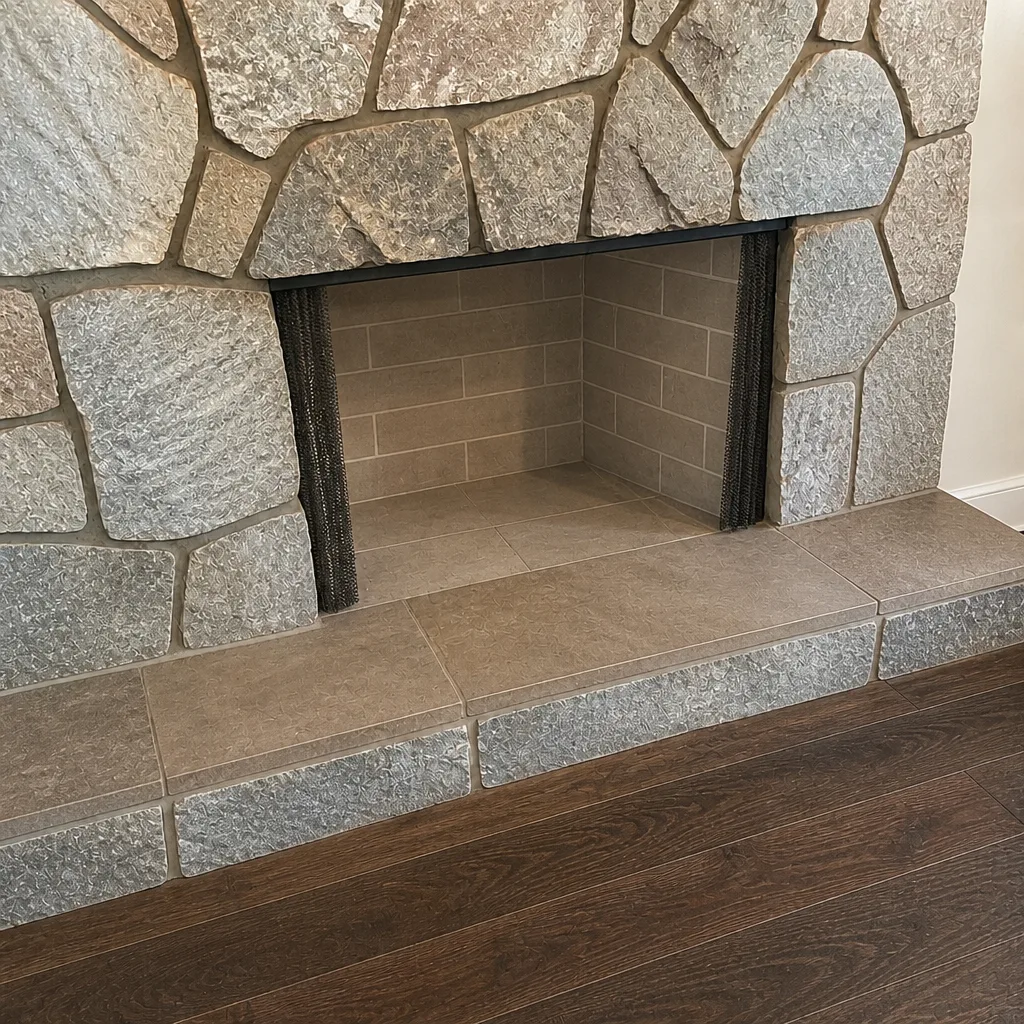 After
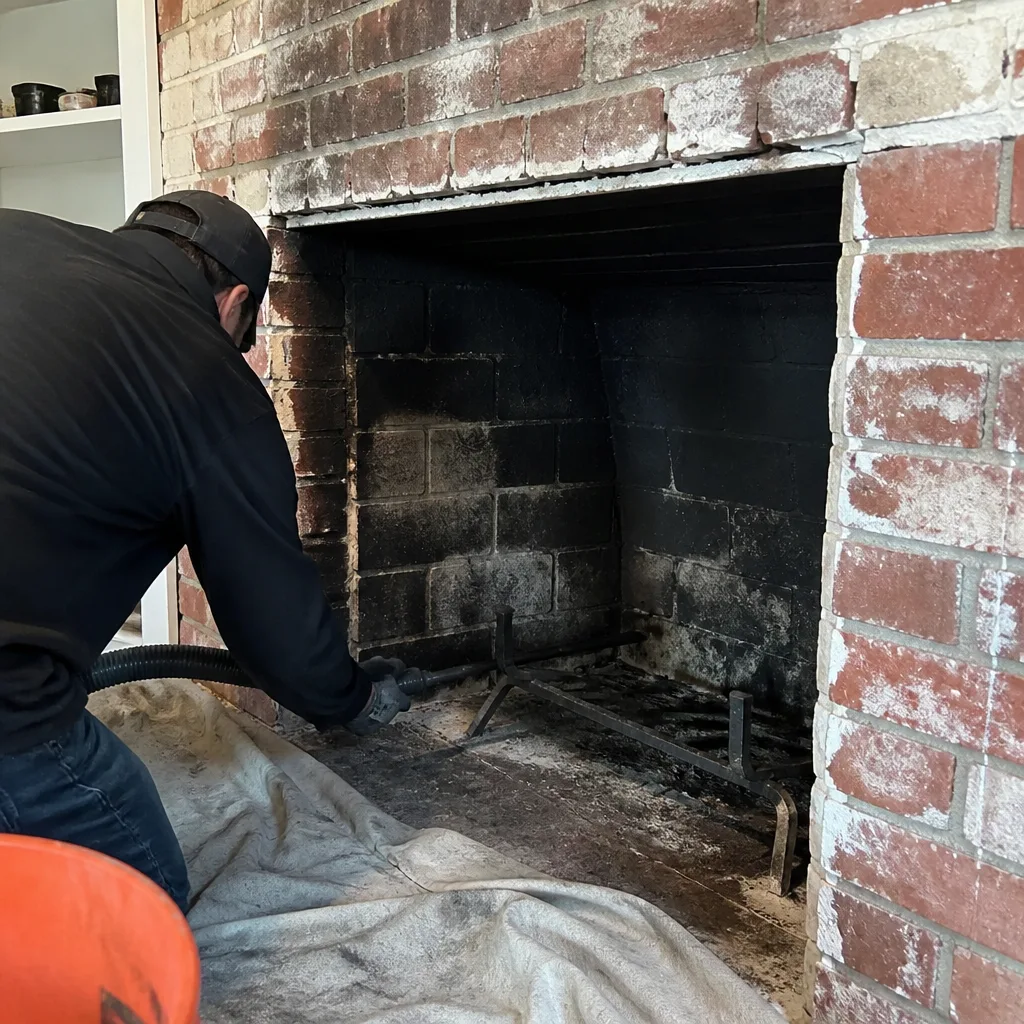 Before
 After
 Before
 After
When to Call a Professional
Call a professional whenever the fireplace doesn’t behave the way it did last winter. Smoke rolling into the room, a fire that draws poorly, dark staining at the top of the firebox, a visible crack in the crown, a cap that’s loose, or a damper that no longer closes are all reasons to stop burning and get someone to look. Height work on the roof is a professional job in any season. And in Murray, the annual sweep and inspection should happen every year regardless of how the chimney “seems” – the inspection is what catches the problem before it announces itself. Murray Chimney Sweep offers free estimates in Murray – call (833) 468-3004. We answer 24/7, and if a call outside dispatch hours is booked, it lands in the next opening, Sunday through Friday, 7am to 7pm.
Frequently Asked Questions
Once a year for most households that burn regularly from October through March. Households that burn daily, or burn unseasoned wood, should plan on a mid-season check and possibly a second sweep. The camera at the annual inspection tells you whether one sweep is enough for your specific burning habits.
Yes, because the spring inspection catches winter damage that didn’t exist in the fall. Murray’s freeze-thaw cycle widens cracks in the crown and stresses the cap through the winter. By March or April that damage is visible and repairable; by the following fall it can be a water path into the flue.
You can look at it from the ground with binoculars. You can’t safely get on the roof to inspect it closely, and we don’t recommend it. Call a technician for anything on the roof, including cap and crown work.
Creosote from last season stays in the flue all winter. Glazed creosote – the hard, tar-like grade – is the one most commonly tied to chimney fires, and it isn’t visible from the firebox without a camera. Skipping one year doesn’t guarantee a problem; skipping several starts to stack the odds.
A sweep clears the flue. An inspection assesses the flue, firebox, damper, cap, and crown, and tells you whether the chimney is safe and whether any repair is needed. We recommend both together – that’s why they’re bundled into a single visit.
Dated records of your annual sweeps and inspections, documentation of any repairs and the materials used, and photo or camera records of condition over time. That’s the chimney folder. Keep it. Every Utah policy reads differently, so confirm with your insurer what they’ll ask for.
Call when you remember, but if you can choose, September for the pre-season sweep and March or April for the post-season cap and crown check. Those are the two windows when the work catches problems before they compound in a Murray climate.
The Bottom Line
A chimney maintenance checklist is only worth anything if it’s tied to timing and consequences. The four dates that matter for a Murray home are September for the sweep and inspection, January for the mid-season check, March or April for the post-season cap and crown review, and summer for any resulting repair. What you check yourself is the damper, the visible cap, and how the fire draws. What a technician checks is everything else, especially the flue and the roof-level components. Document all of it year over year, because trends are what get caught before they become emergencies – and because that’s the record an insurer asks for. We handle the full chimney, from the firebox to the crown, and we’d rather catch a small problem in spring than a big one in January. Call (833) 468-3004 for a free estimate. We answer 24/7. Fast dispatch from 7am to 7pm, Sunday through Friday.
Reviewed against our own service standards. Written by the team at Murray Chimney Sweep.