
Last updated November 24, 2026
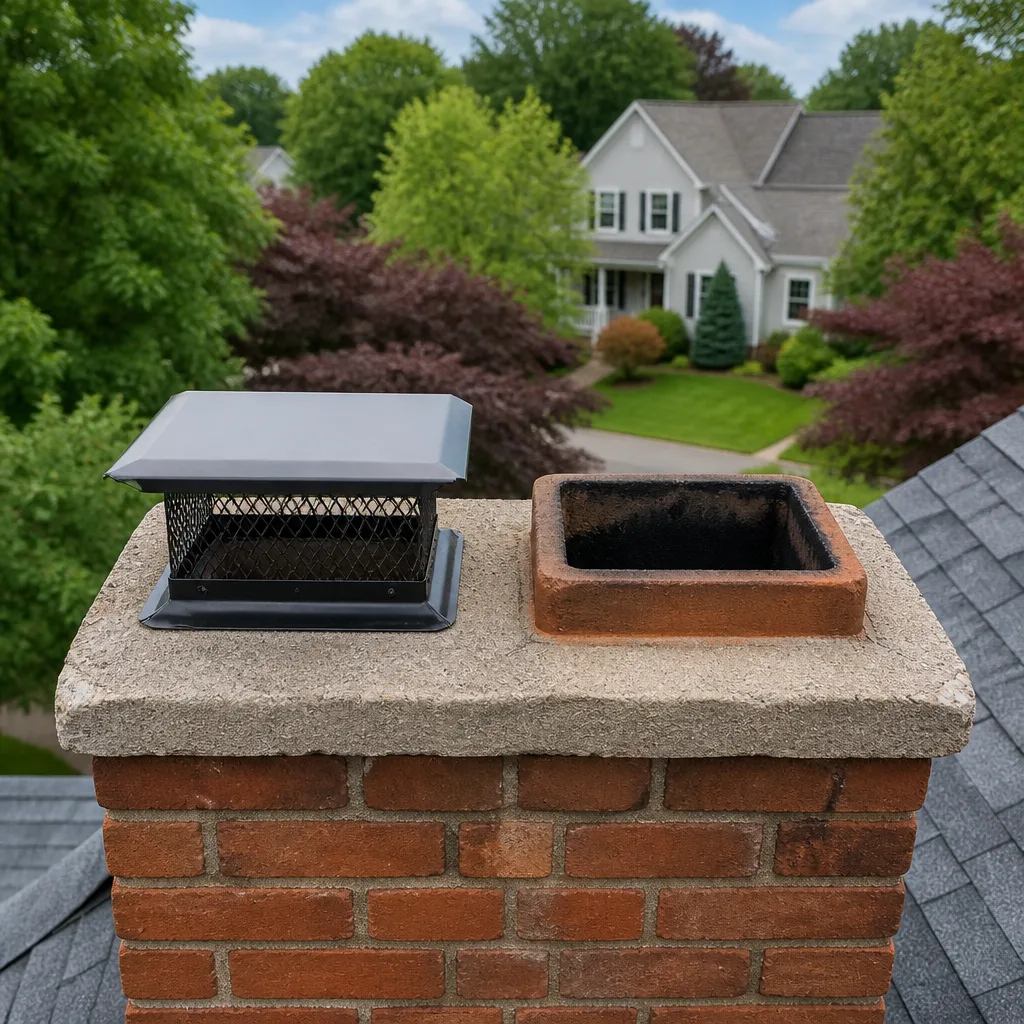 Sweep & inspection
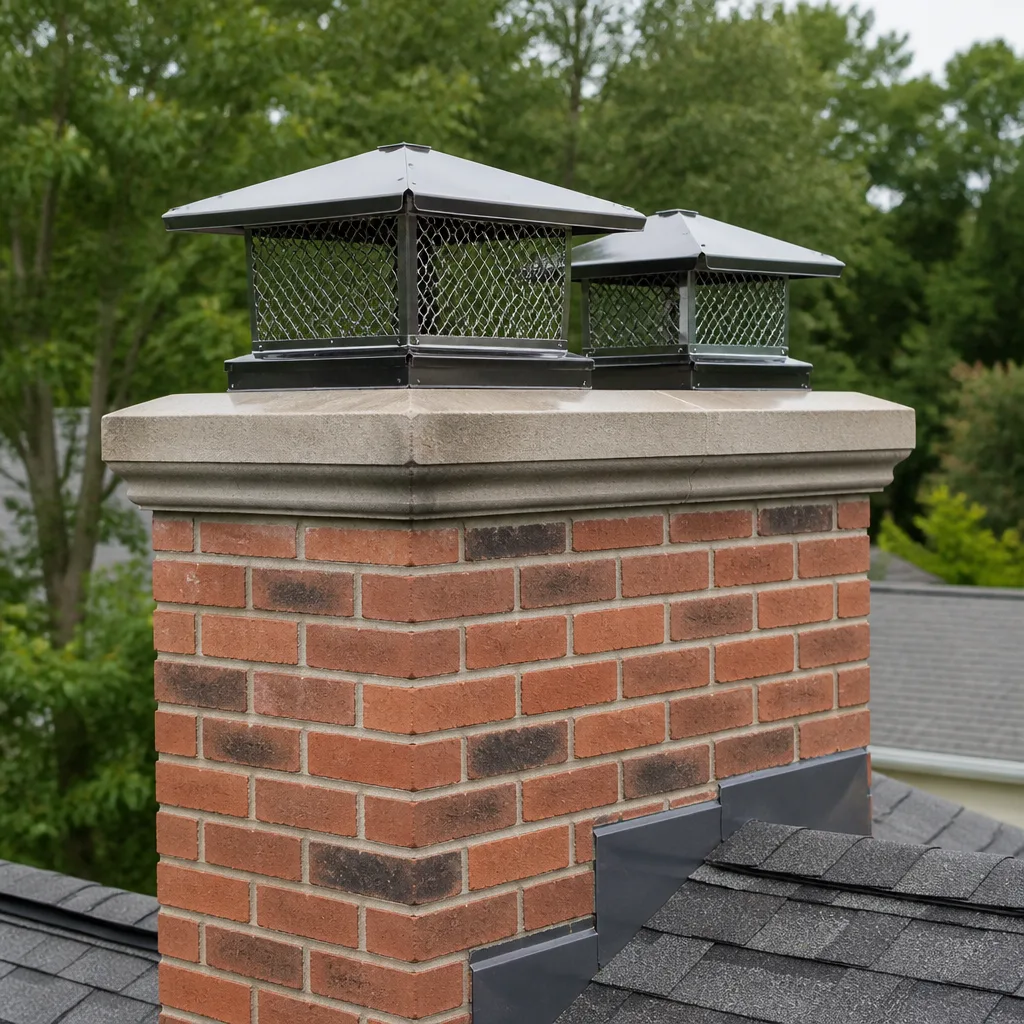 Caps & crowns
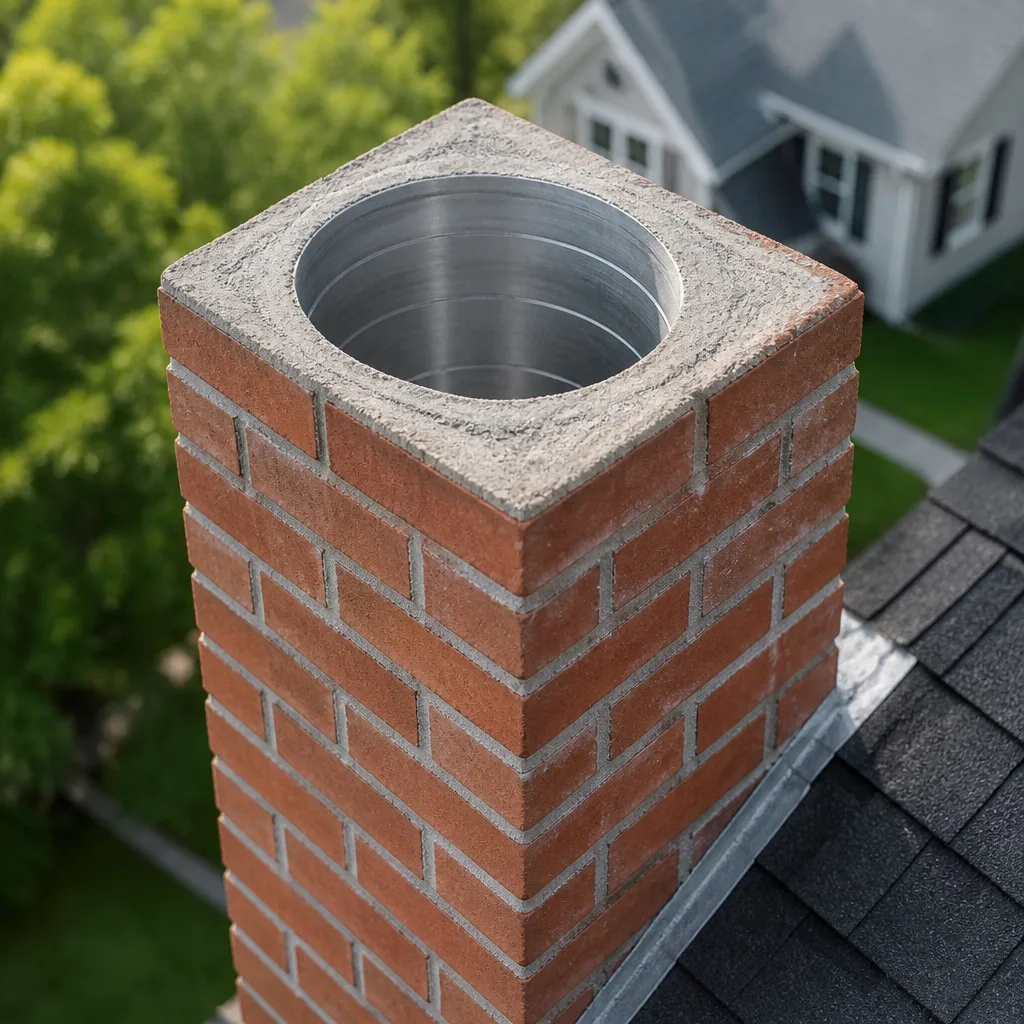 Flue relining
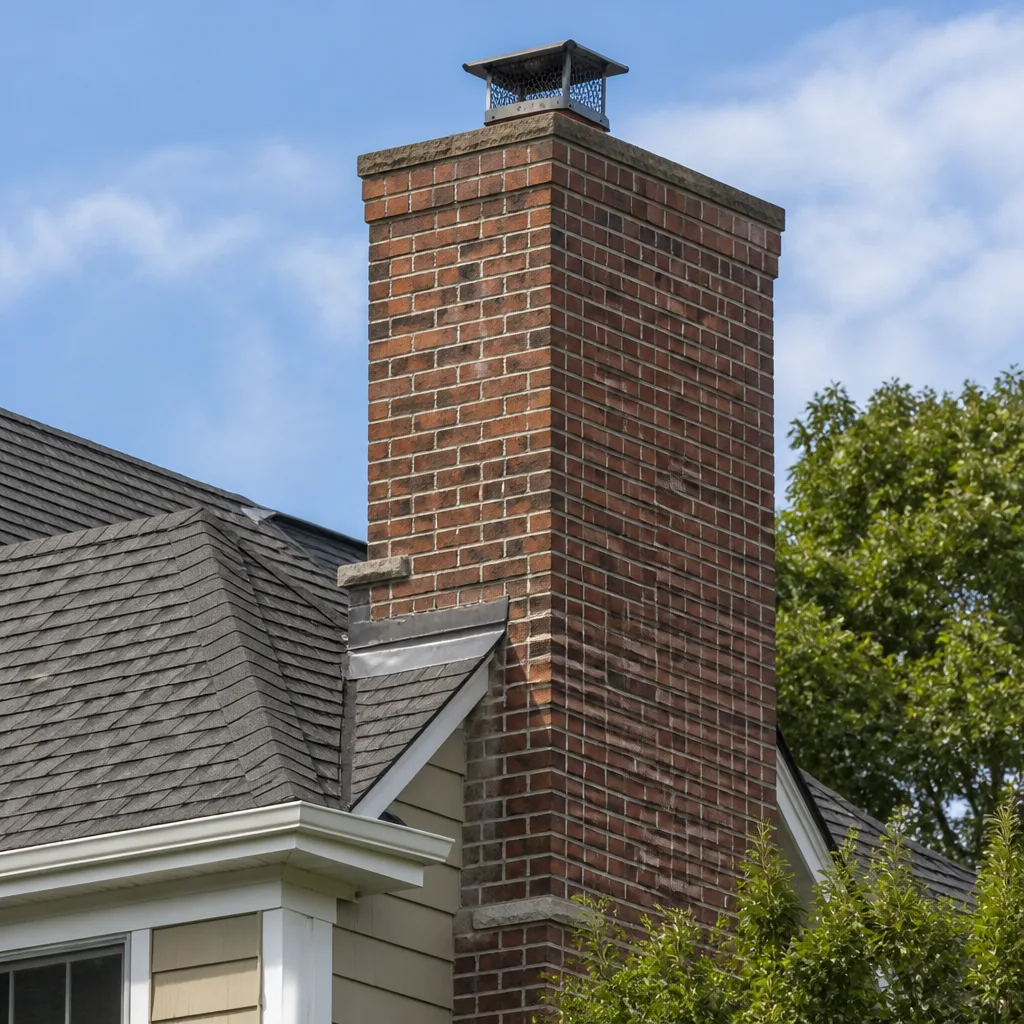 Masonry repair
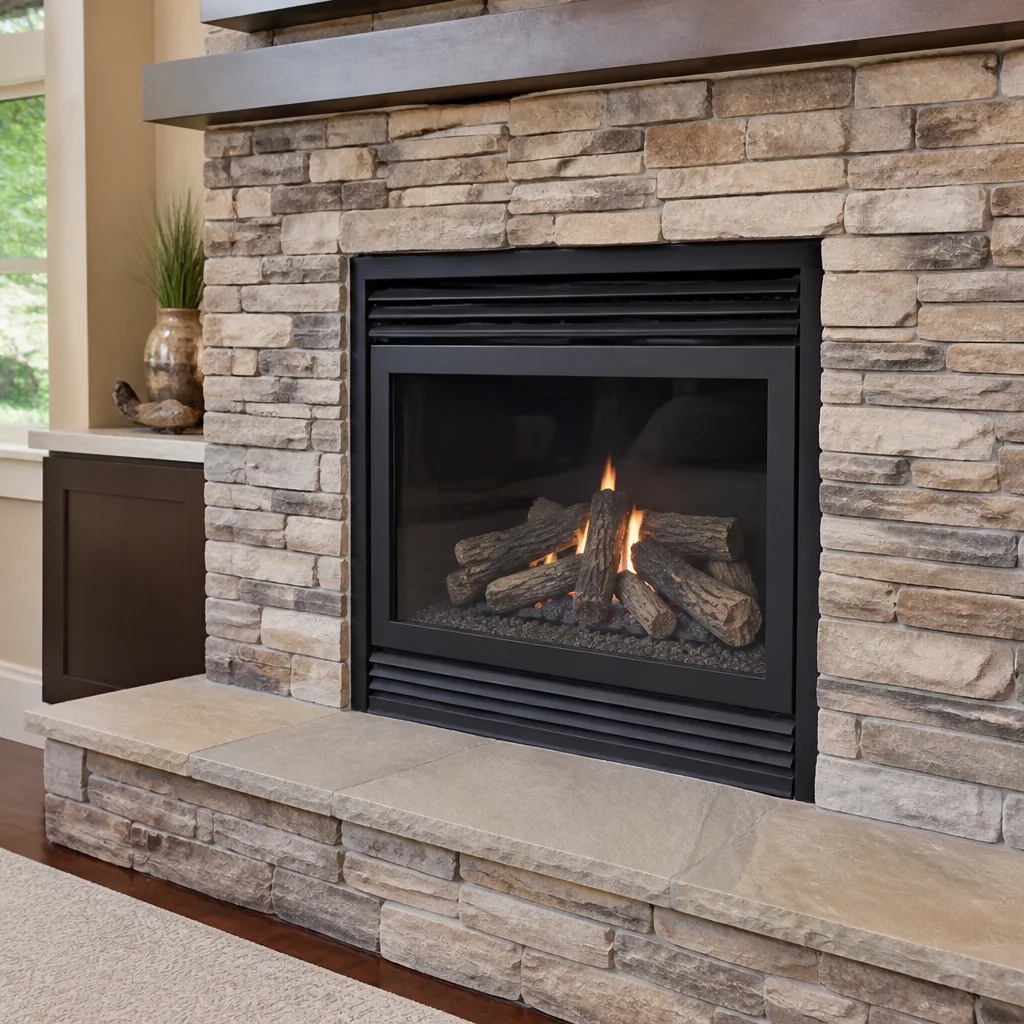 Gas fireplace service
Level 1 sweep and inspection to the NFPA 211 annual standard - flue, crown, cap, and flashing checked and photographed
Chimney sweep logs do not sweep chimneys. They loosen some creosote - which then falls where a brush and vacuum still have to collect it.
Seasonal Chimney Cleaning Care for Murray: Year-Round Homeowner’s Guide
The neighbors who get one chimney cleaning every October aren’t wrong. They’re just solving about a quarter of the problem. Murray’s climate puts four different kinds of stress on a chimney system across the year: freeze-thaw springs that open mortar joints, dry high-altitude summers that bake south-facing masonry, smoky inversion winters that trap what your flue sends up, and wet shoulder seasons that push water into every gap. A chimney is a structure, not an appliance, and structures respond to weather month by month. This guide walks through all four seasons in Murray, shows what to check when, and explains how to stack the work so repairs happen on your schedule instead of as an emergency. You’ll finish knowing what your chimney is doing in April, July, and January, not just October.
Quick Answer
Chimney care in Murray works best as four seasonal checkpoints rather than one annual sweep: a spring inspection for freeze-thaw damage to the crown and mortar, a summer look at the cap and sun-facing masonry, a sweep in September before inversion season and the booking rush, and a mid-winter flue check for heavy wood burners. Sweeping removes creosote, but the structural problems that cost the most – cracked crowns, deteriorating mortar, water-damaged flues – are found and fixed in the seasons when they’re easiest to see and least expensive to address. The right schedule depends on how much you burn.
Styles & brands we work with
- Sweep & inspection
- Caps & crowns
- Flue relining
- Masonry repair
- Gas fireplace service
Table of Contents
- Why Seasonal Chimney Care Matters More in Murray Than Most Places
- Spring in Murray: The Best Window for Crown and Mortar Repair
- Summer in Murray: Sun, Heat Cycling, and Your Chimney Cap
- Fall in Murray: Why a September Sweep Beats a November One
- Winter in Murray: Mid-Season Checks for Heavy Wood Burners
- How to Stack Chimney Tasks Across the Year
- What You Can Check Yourself (and What to Leave Alone)
- Common Mistakes to Avoid
Why Seasonal Chimney Care Matters More in Murray Than Most Places
Murray sits in a valley with a mountain climate and a bowl-shaped airshed, and both facts show up in your chimney. The freeze-thaw cycle in spring is the big one. Water gets into a hairline crack in the crown or a mortar joint, freezes overnight, expands, and pries the crack wider. Then it thaws, water gets in deeper, and the cycle repeats. By the time the damage is obvious from the ground, it’s been working for a couple of seasons. Most of the repair work we see in Murray traces back to this cycle and to water that got in during the wet months and stayed.
Winter brings the second local factor: inversions. Cold air settles in the valley and traps smoke and exhaust close to the ground. That’s the season when what your fireplace sends up matters most to your neighbors and to the air your household breathes, and it’s the season when a clean-burning, properly vented flue is doing real work for the whole block. A flue with heavy creosote or a blocked cap doesn’t just burn worse; it sends more visible smoke into air that’s already holding still.
Summer is quieter but not harmless. Murray’s high-altitude sun is intense, and a chimney cap or crown that’s already compromised takes a beating from UV and from the daily expansion and contraction of hot days and cool nights. Add the dry months and mortar dries and shrinks. None of this is dramatic on any single day. It’s cumulative, and that’s the whole argument for seasonal care over a single annual event.
Spring in Murray: The Best Window for Crown and Mortar Repair
Spring is when freeze-thaw damage is most visible and cheapest to fix. The winter’s last freezes have finished prying open the joints that were going to open, the snow and ice are gone, and a technician can see the crown, the cap, and the upper masonry clearly without a ladder slipping on ice. Repair work in April and May goes faster and lasts through more of the year than the same work done in a hurry in October, and you’re not competing for a slot with everyone who waited until the first cold snap.
What spring inspection is looking for:
- Crown cracks and separation. The crown is the concrete or masonry slab at the top that sheds water away from the flue. Hairline cracks are normal wear; a crack wide enough to catch a fingernail, or a crown that’s pulling away from the flue, is letting water in.
- Spalled mortar joints. Look for sandy grit or flakes on the flashing or roof below the chimney. That’s mortar that froze, crumbled, and fell.
- Spalling brick faces. A brick face that’s peeling or pitted has absorbed water and is failing from the inside.
- Flashing. The metal where the chimney meets the roof takes the freeze-thaw beating hardest. Lifted, cracked, or rusted flashing is a direct path for water.
- Cap condition. A cracked or rusted cap does its job all winter and then gives up right when the spring rains arrive.
This is also the right season to think about flue resurfacing if an inspection finds a damaged flue lining. HeatShield resurfacing is a common fix for deteriorated liners where the masonry is still sound, and it’s a repair you want to schedule in spring, not discover you need in December. In our experience, a spring inspection catches these issues while they’re small structural repairs rather than large ones. If you noticed water in the firebox over the winter, spring is when the source gets found. Call (833) 468-3004 for a free estimate.
Summer in Murray: Sun, Heat Cycling, and Your Chimney Cap
Summer is the season homeowners forget about the chimney entirely, which makes it the season when the smallest problems quietly get worse. A chimney at the end of a Murray roof takes more sun than almost anything else on the property. The cap and crown sit fully exposed, and every day they cycle through heat and cool, expand and contract. A cap that was already loose in spring starts to rattle or lift at the seams by August.
The cap matters more than people realize. It’s the part of the chimney system that keeps rain, snow, birds, and debris out of the flue. When it fails, water gets in, and water is behind most of the long-term damage we see. It rots the damper, rusts the firebox components, and works into the masonry where it’ll freeze the following winter. Murray Chimney Sweep works with cap and crown components from lines like Olympia Chimney and Copperfield, so a worn cap can be matched to the chimney’s actual dimensions instead of fitted with whatever the hardware store has on the shelf. A custom-fit stainless cap is an inexpensive item compared with what a decade of water infiltration costs.
Summer is also the time to look at the mortar joints on the south and west faces of the chimney, which get the most direct sun. Heat dries the mortar, and hot-cold cycling opens hairline joints. Then the fall rains find them. If you’re having a summer inspection and the technician mentions repointing or a masonry crown repair, that’s not upselling. It’s the season when you want to hear it, because the work can be scheduled before cold weather. Culinary, Vine Street, and the older neighborhoods near Murray Park all have plenty of homes where the chimney has been on the same roof for decades, and those are exactly the ones that benefit from a summer look.
Fall in Murray: Why a September Sweep Beats a November One
The single biggest scheduling mistake in Murray is waiting until the first cold snap to book a sweep. That’s when the phone rings everywhere in the valley at once, when the calendar is full, and when you’re most likely to settle for whoever can fit you in. A September sweep, done before the burning season starts, gives you time to deal with whatever the inspection finds before you actually need the fireplace. If the flue needs a DuraFlex liner or some other repair, that’s work done in September rather than a scramble in November.
The chimney sweep in Murray also matters more in fall because of what comes next: inversion season. The valley traps air in the coldest months, and a clean flue burns hotter and cleaner, which means less visible smoke in a season when the air is already holding still. A sweep plus a level-one inspection covers the basics: creosote removed from the flue, the firebox and damper checked, the cap and screen verified, the visible portions of the chimney examined. If the inspection turns up something more, it’s caught with weeks to spare rather than after the first fire of the year.
How to know if you’re due in fall:
- You burned more than a cord of wood last winter.
- You see shiny, glazed creosote when you look up the flue, or a thick black fluff on the damper.
- Your fires smoke back into the room, burn poorly, or smell stronger than usual.
- You haven’t had the chimney inspected since before last season.
- You see water stains, rust, or crumbling inside the firebox.
Any one of those is enough to schedule a September visit. Two or more and it’s worth calling early. Call (833) 468-3004. We answer 24/7. Fast dispatch from 7am to 7pm, Sunday through Friday.
Winter in Murray: Mid-Season Checks for Heavy Wood Burners
Winter is the season when homeowners who burn a lot of wood need a mid-season look, not just the fall sweep. A household that goes through a cord of wood has, by mid-January, produced enough creosote to change how the flue behaves. That doesn’t automatically mean another sweep. It means you should be watching for the signs that one is due: a damper that sticks or feels gummy, a fire that’s harder to start than it was in November, more smoke out the top than out the chimney cap you’d expect, or a strong, sharp smell when the fireplace isn’t lit. Any of those says the flue is loading up faster than the household’s usual schedule accounts for.
The other winter check is weather-side. After a heavy snow or a spell of freezing nights, look at the chimney from the ground. Ice or snow piled against the cap, a cap that’s shifted or lost its screen, or a crown with new cracks showing through the snow all point to water getting in. Those are calls for a technician, not a homeowner on a ladder in winter conditions. Roof and chimney work at height on a snowy surface is genuinely dangerous, and it’s exactly the situation where a trained professional earns the visit.
Murray Chimney Sweep handles winter visits for flue checks and for fireplace repair when the firebox, damper, or grate has been worn down by a hard burning season. If your fireplace is pulling poorly, the fix is usually found by looking at the whole system – cap, flue, damper, firebox – not just one component. That’s the reason a single visit from a full-lifecycle specialist tends to close the issue faster than a sweep-only call. And if the visit reveals a problem that can safely wait until spring, we’ll tell you that plainly.
How to Stack Chimney Tasks Across the Year
Here’s the practical framework: think of the year as four checkpoints, each with one job. The goal is that by the time cold weather arrives, you’re on top of the structure, the flue, and the components, and nothing you’re paying for is an emergency.
- March through May – structural inspection. Look at the crown, mortar, flashing, and cap after the last freeze. This is when freeze-thaw damage is most visible and cheapest to repair. Schedule any crown, mortar, or flue resurfacing work here.
- June through August – cap and sun-facing components. Check the cap, screen, and sun-facing masonry. Replace a worn cap if needed, address heat-cycle cracks, and get ahead of water infiltration before the fall rains. Cap and crown work is a specialty at Murray Chimney Sweep, and it’s the repair that heads off the most common long-term damage.
- September – sweep and inspect. Get the flue cleaned and the system inspected before the burning season and before the valley’s schedule fills up. If the inspection finds something, you have weeks, not days, to address it.
- January or February – mid-season check for heavy burners. If you’ve burned more than a cord, or you notice the signs above, get a flue check. This is a check, not a full re-do, and it catches the issues that a long, cold winter of use creates.
Stacked this way, the whole year costs you the routine visits and the planned repairs, and nothing gets deferred to the point where a small crown crack turns into a masonry rebuild. The neighbors who call in October aren’t wrong to call. They’re just paying the same price for less choice about when the work gets done. Murray Chimney Sweep keeps the whole system in one set of hands, which means the specialist who inspects is the one who does the repair. Call (833) 468-3004 for a free estimate.
What You Can Check Yourself (and What to Leave Alone)
Homeowners can safely do more than they think – and less than they sometimes try. The split is between looking and touching.
Safe to check from the ground or from inside the house:
- Look up the chimney from the firebox with a flashlight when the fireplace is cold. Note any black fluff, glazing, or shiny creosote.
- Check for water signs – rust on the damper, water stains in the firebox, damp ash, or a musty smell when the fireplace hasn’t been used.
- Look at the chimney cap from the ground with binoculars. You’re checking for missing screens, obvious cracks, or a cap that’s visibly out of position.
- Check the roof line from the ground for chimney flashing that’s lifted, rusted, or separated from the chimney.
- Test the smoke draw on a cold day with a small piece of newspaper to see whether smoke rises freely or backs up.
Leave to a trained professional: climbing the roof or the chimney, removing or reinstalling the cap, inspecting or repairing the flue liner, and any work inside the firebox or on the damper assembly. The flue is a confined, often damaged space, and the risks of working at height are real. Resurfacing a flue with HeatShield, or replacing it with a DuraFlex liner, requires product-specific training and the right tooling – it’s not a homeowner repair. Same for anything involving a gas log set or a fireplace with gas piping: those calls belong to a licensed professional, full stop.
Common Mistakes to Avoid
- Waiting until October to book. The valley’s chimney schedule fills up the week of the first cold snap. Book in September and you’ll have your choice of time and the space to fix whatever the inspection finds.
- Skipping the inspection when you get a sweep. A sweep without an inspection is just guesswork. The sweep tells you the flue is clean. The inspection tells you the crown, cap, flashing, and liner are sound – and those are the parts that fail.
- Ignoring the cap because it “looks fine.” Caps fail on the inside first, through rust and lifted seams, long before they look wrong from the ground. Water infiltration is the leading cause of long-term chimney damage, and the cap is the front door.
- Treating a crack in the crown as cosmetic. Every freeze-thaw cycle makes it worse. A crown repair done in spring is a small job. The same crack ignored for a few winters becomes masonry work.
- Burning wet or unseasoned wood in Murray’s cold months. Wet wood produces more creosote, more visible smoke, and worse performance during the season when the air you’re adding to already isn’t moving.
- Assuming one cord a winter means one visit a year. Heavy burners who go through a cord or more often need a mid-season flue check in January, not just the fall sweep. That’s when the flue is at its worst, not at its cleanest.
- Hiring a sweep-only operator and then being handed off to a second contractor for the repair. Cutting the repair out to a different company breaks the chain of accountability. One specialist, from diagnosis to finished work, is the simpler setup and the one with the clearest responsibility.
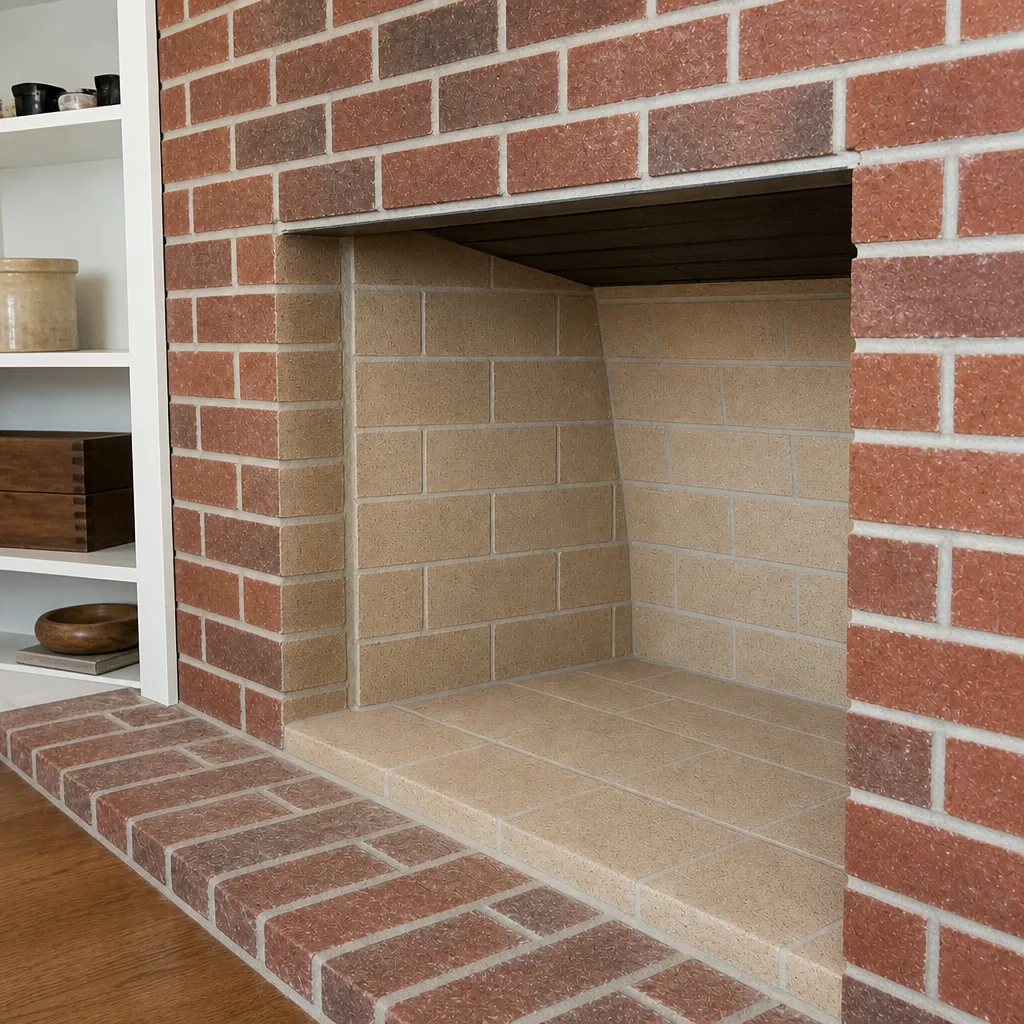
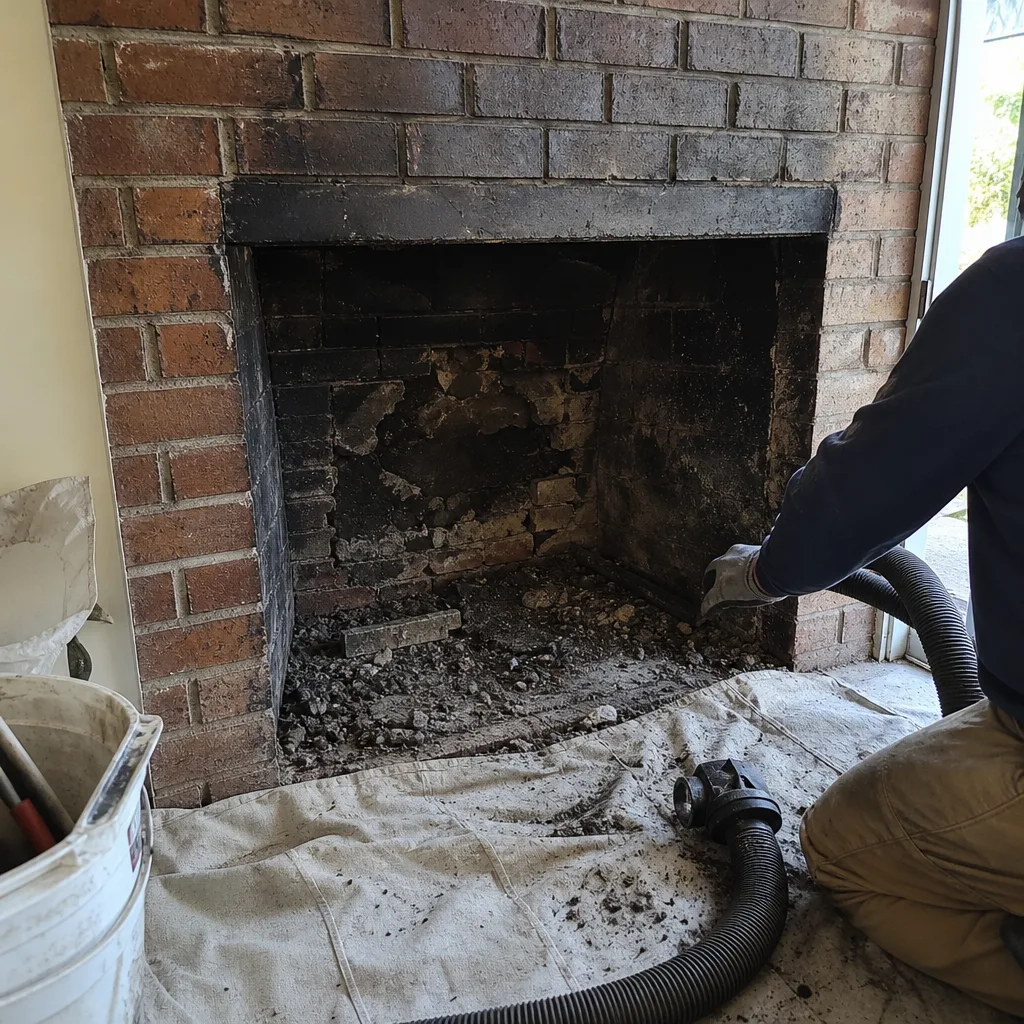
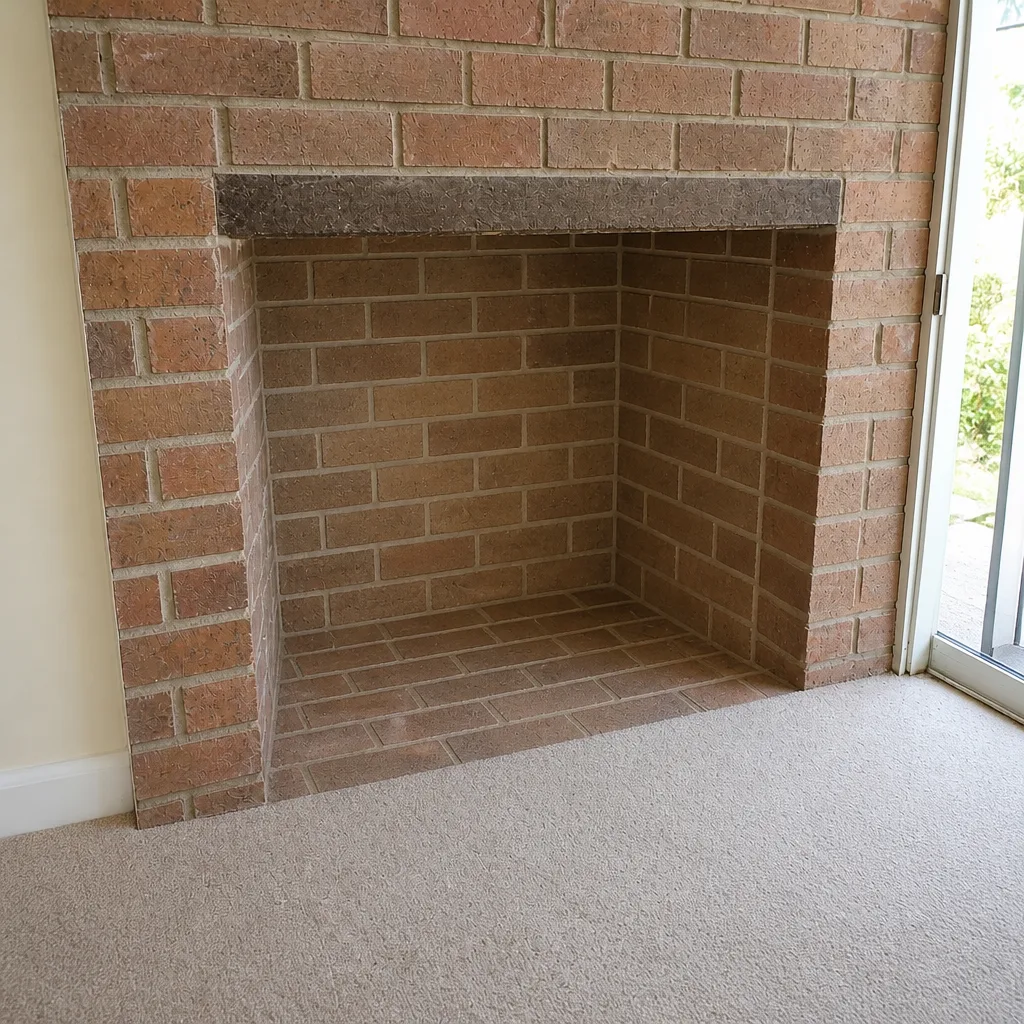
See the difference
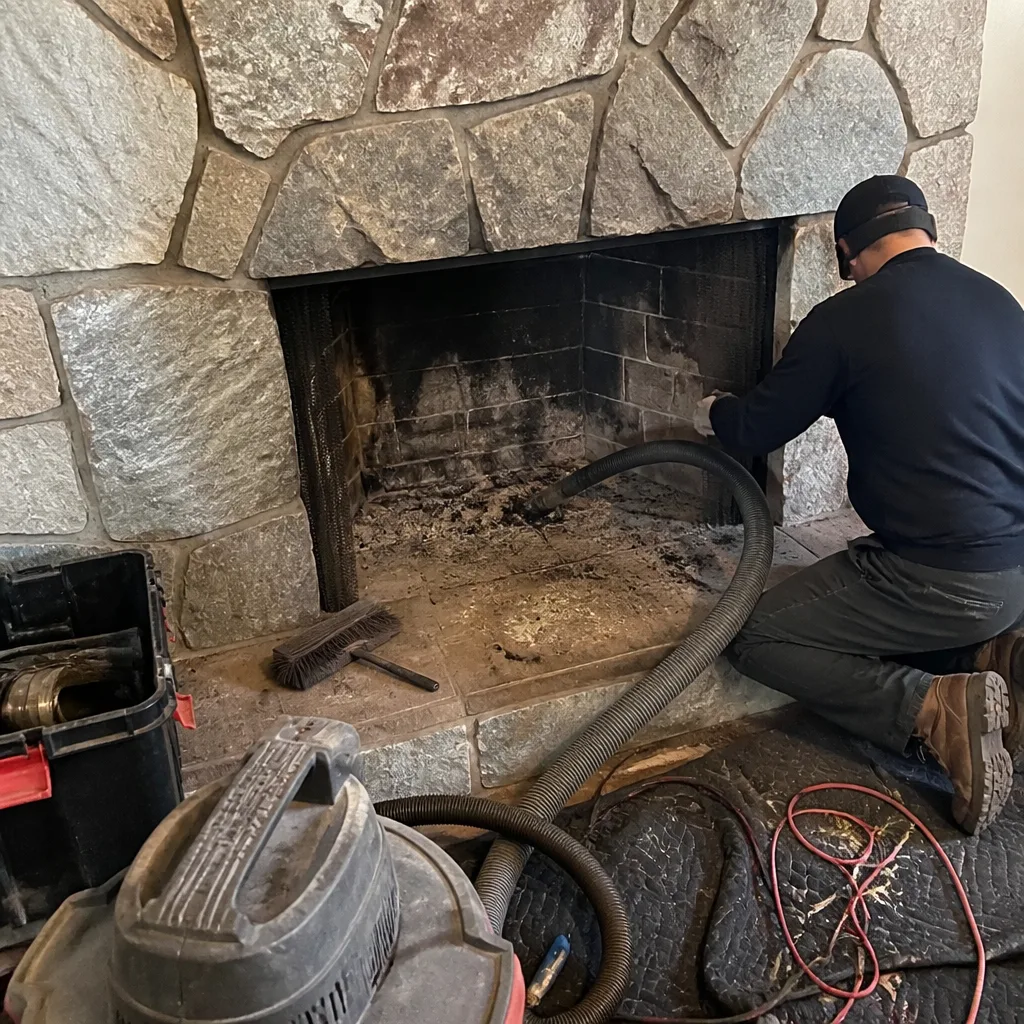 Before
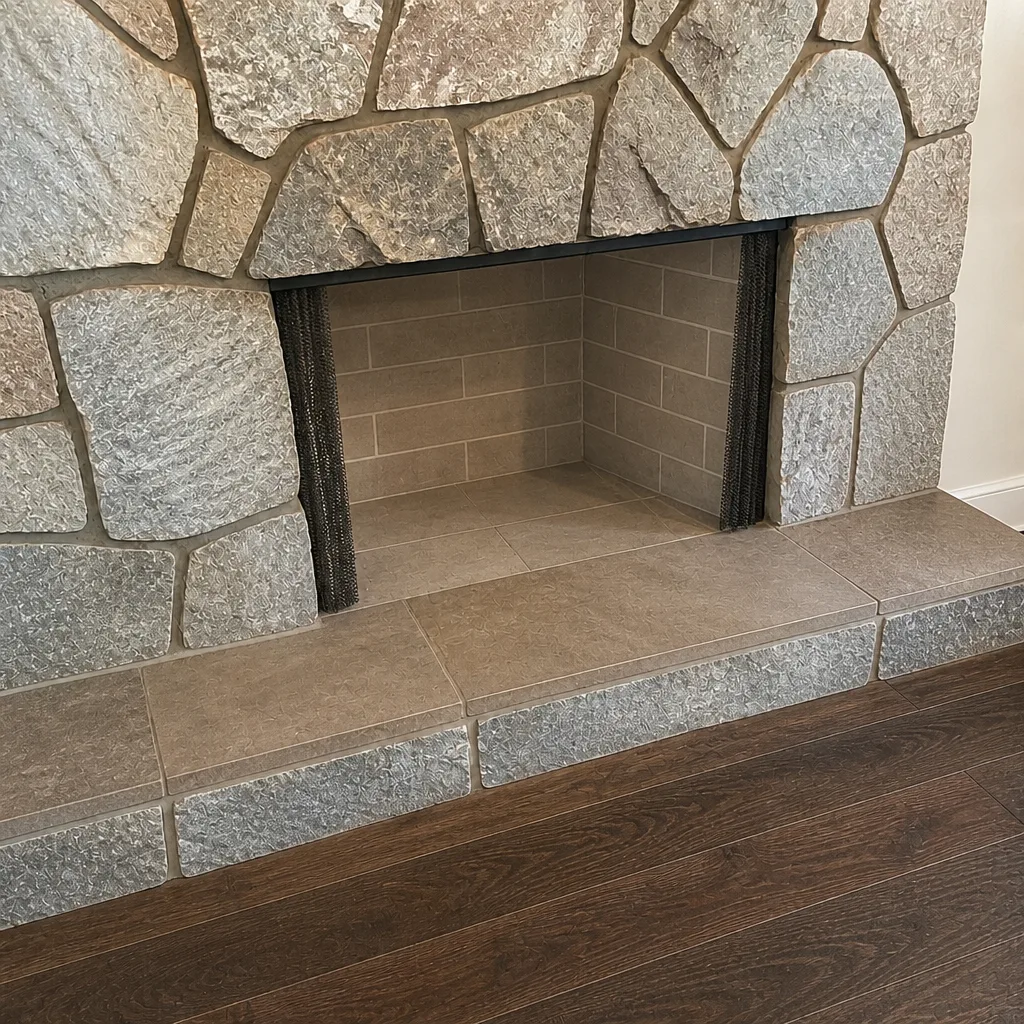 After
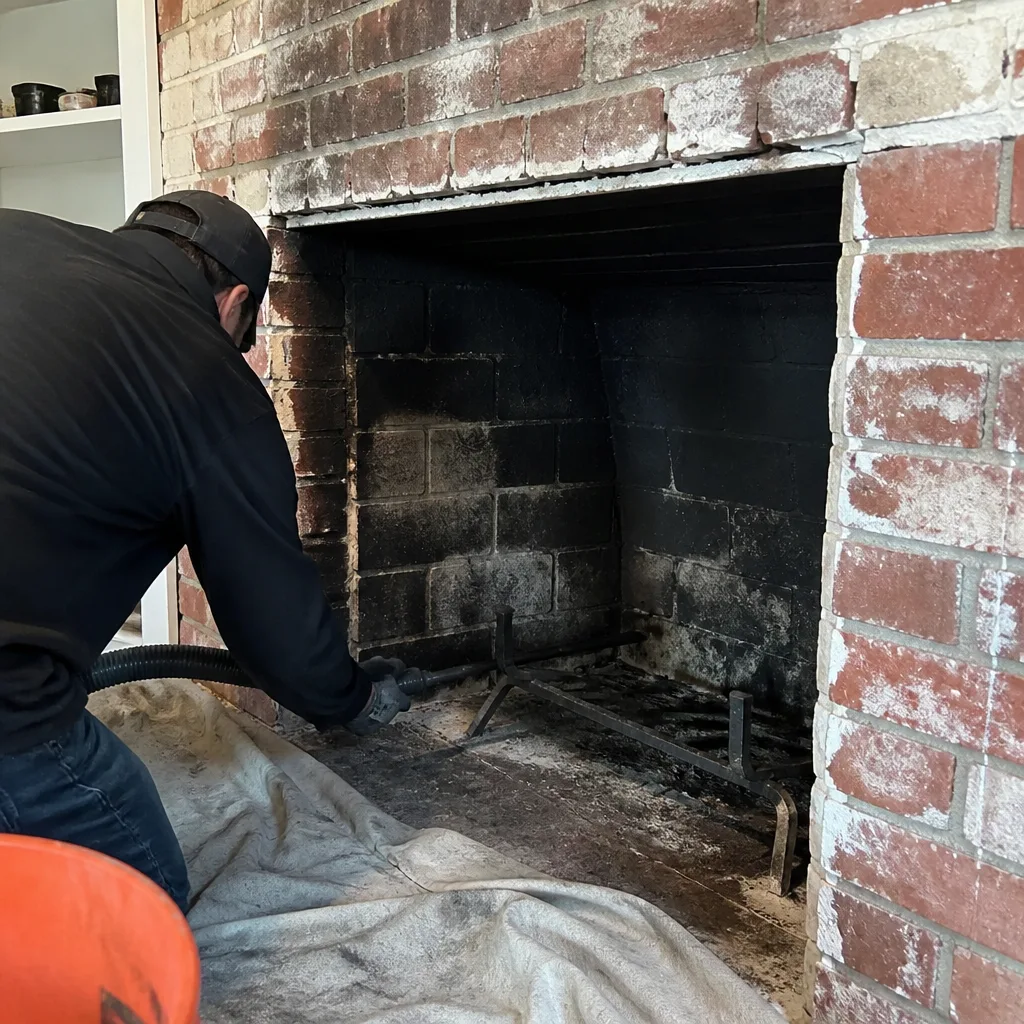 Before
 After
 Before
 After
When to Call a Professional
Some chimney problems are seasonal maintenance and some are calls. Call a professional for any of the following: a fire that smokes back into the room when you open the damper; a strong, sharp smell from the fireplace when it’s not in use; visible water stains or rust inside the firebox; a chimney cap that’s damaged, missing its screen, or out of position; mortar, brick, or crown damage visible from the ground; a flue that’s never been inspected; or a sudden change in how the fireplace draws. Murray Chimney Sweep offers free estimates in Murray – call (833) 468-3004. We answer 24/7. Fast dispatch from 7am to 7pm, Sunday through Friday.
Frequently Asked Questions
Most Murray households should be swept once a year, in the fall before the burning season starts. Heavy burners who go through a cord of wood or more, or who burn regularly from October through March, benefit from a mid-season flue check around January. The sweep plus inspection is the baseline; additional checks are about how much you actually burn, not a calendar rule. Call (833) 468-3004 for an exact quote – estimates are free.
Spring is when freeze-thaw damage is most visible and cheapest to fix. The last freezes have finished prying open mortar joints and crown cracks, snow and ice are gone, and a technician can see and access the upper chimney safely. Repairs scheduled in spring last through more of the year and go faster than rush work scheduled in the fall. If a flue resurfacing with HeatShield is on the list, spring is when to schedule it, not once you’re mid-season.
Yes. The cap sits fully exposed to Murray’s high-altitude sun and goes through heat-and-cool cycles every day. Caps fail from the inside – rust, lifted seams, a worn screen – which lets in water, birds, and debris. Water is behind most of the long-term damage we see. A custom-fit stainless cap in summer is far cheaper than the damage a failed one lets in over the following winter. Call (833) 468-3004 for a free estimate.
Most Murray sweeps fall in the usual range for a single flue with a standard inspection included. Exact pricing depends on the number of flues, access, and the level of inspection, and the written estimate sets the final price before any work starts. Call (833) 468-3004 for an exact quote – estimates are free.
Yes. A sweep without an inspection is just guesswork. The sweep removes creosote; the inspection checks the parts that cause real damage – the crown, cap, flashing, liner, and firebox. If a sweep is done without an inspection, problems in those areas can go years without being found. Murray Chimney Sweep does the sweep and the inspection in one visit so the whole system is checked at the same time.
A single skipped fall sweep is not automatically a disaster for a light burner, but a skipped year on a chimney that already has cracks in the crown or mortar means freeze-thaw damage keeps working through another winter. The real risk is that the small repair you’d have paid for in spring becomes a structural repair a few seasons later. Call (833) 468-3004 and we’ll tell you honestly what’s needed and what can safely wait.
The Bottom Line
Chimney care in Murray is a year-round rhythm, not a single October task. The freeze-thaw cycle that runs from January through March opens mortar and crown cracks that are cheapest to fix in spring. Summer sun and heat cycling wear down the cap and sun-facing masonry, which is why water infiltration gets its start in the warm months. Fall is the sweep and inspection window, best booked in September before the valley’s schedule fills up and inversion season arrives. Winter is for heavy burners who need a mid-season flue check, not just a memory of one. Stacked that way, you never pay emergency rates for something that was visible three months earlier. For the whole chimney – from the firebox to the crown – Murray Chimney Sweep handles the diagnosis, the chimney repair, and the seasonal maintenance with professional-grade materials and a single point of contact. Call (833) 468-3004. We answer 24/7. Fast dispatch from 7am to 7pm, Sunday through Friday.
Written by the team at Murray Chimney Sweep.