
Last updated November 24, 2026
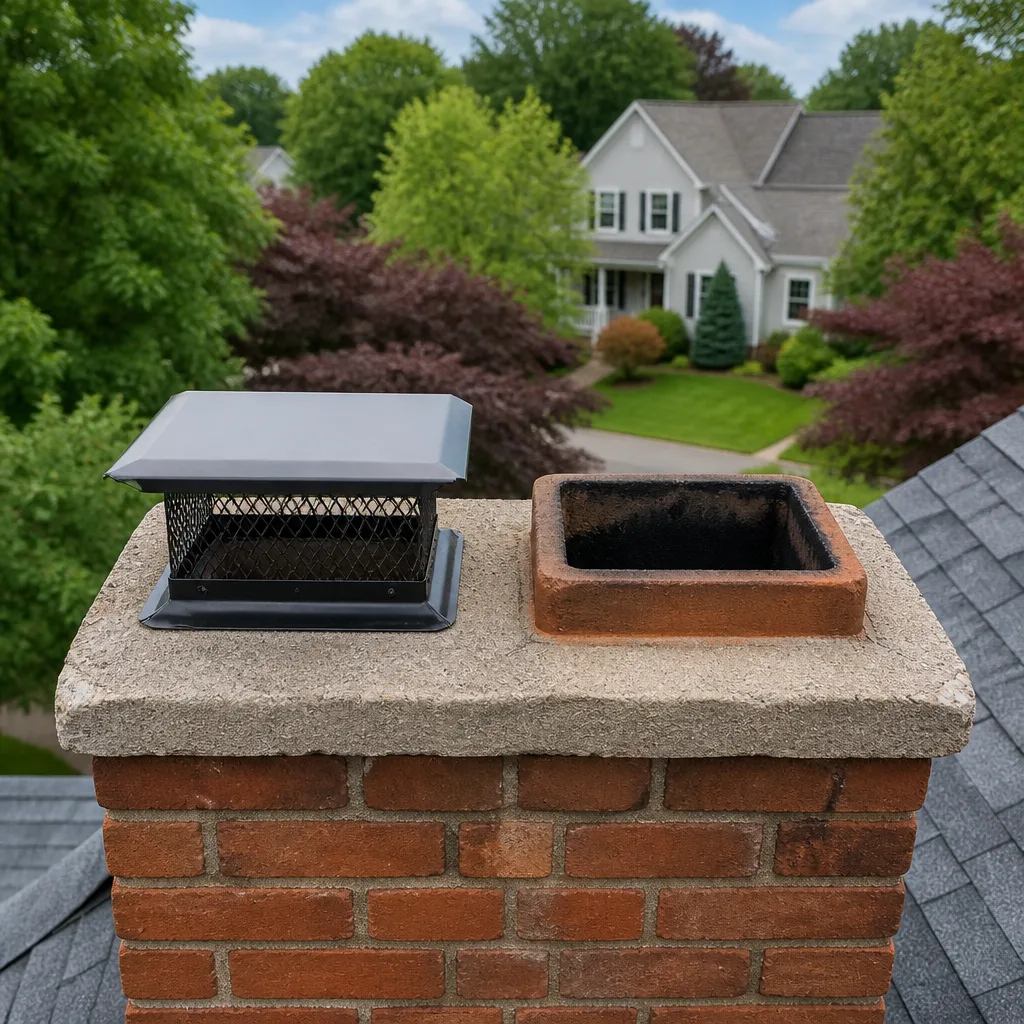 Sweep & inspection
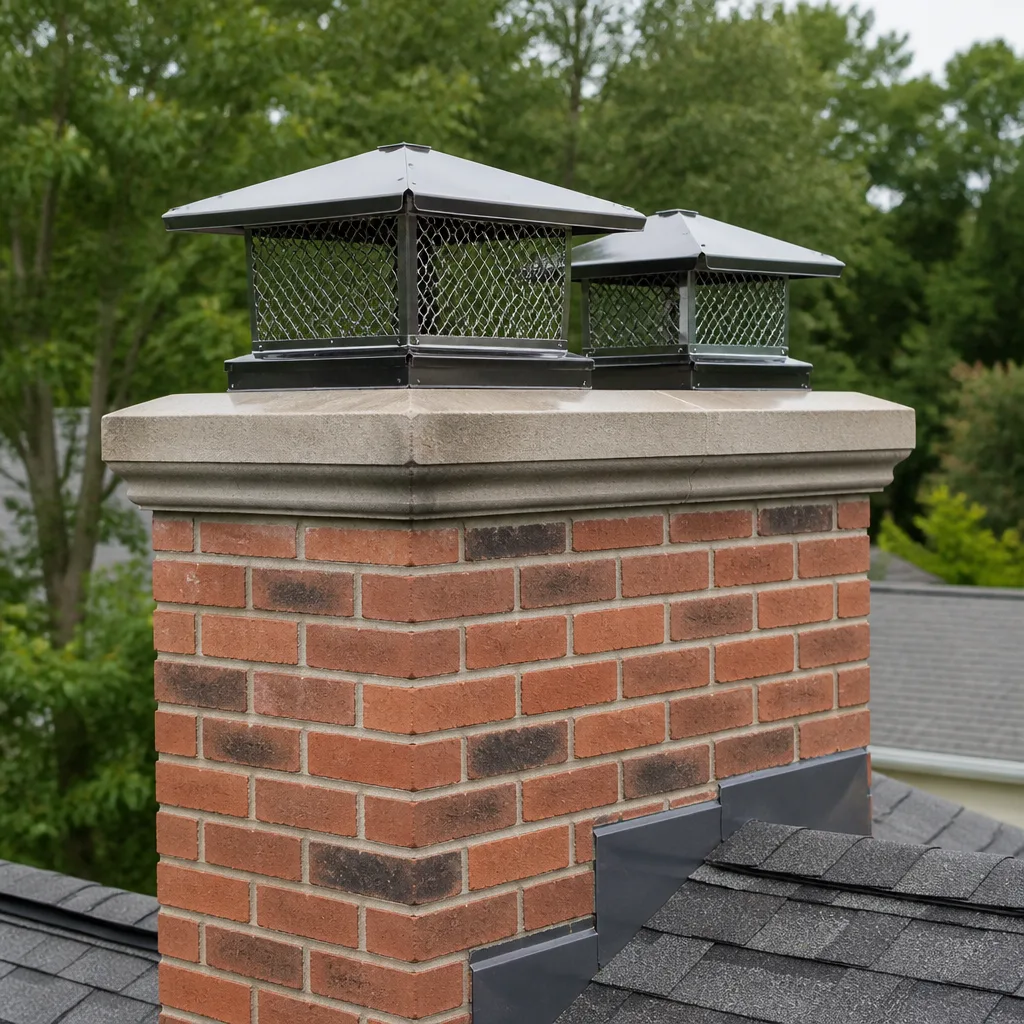 Caps & crowns
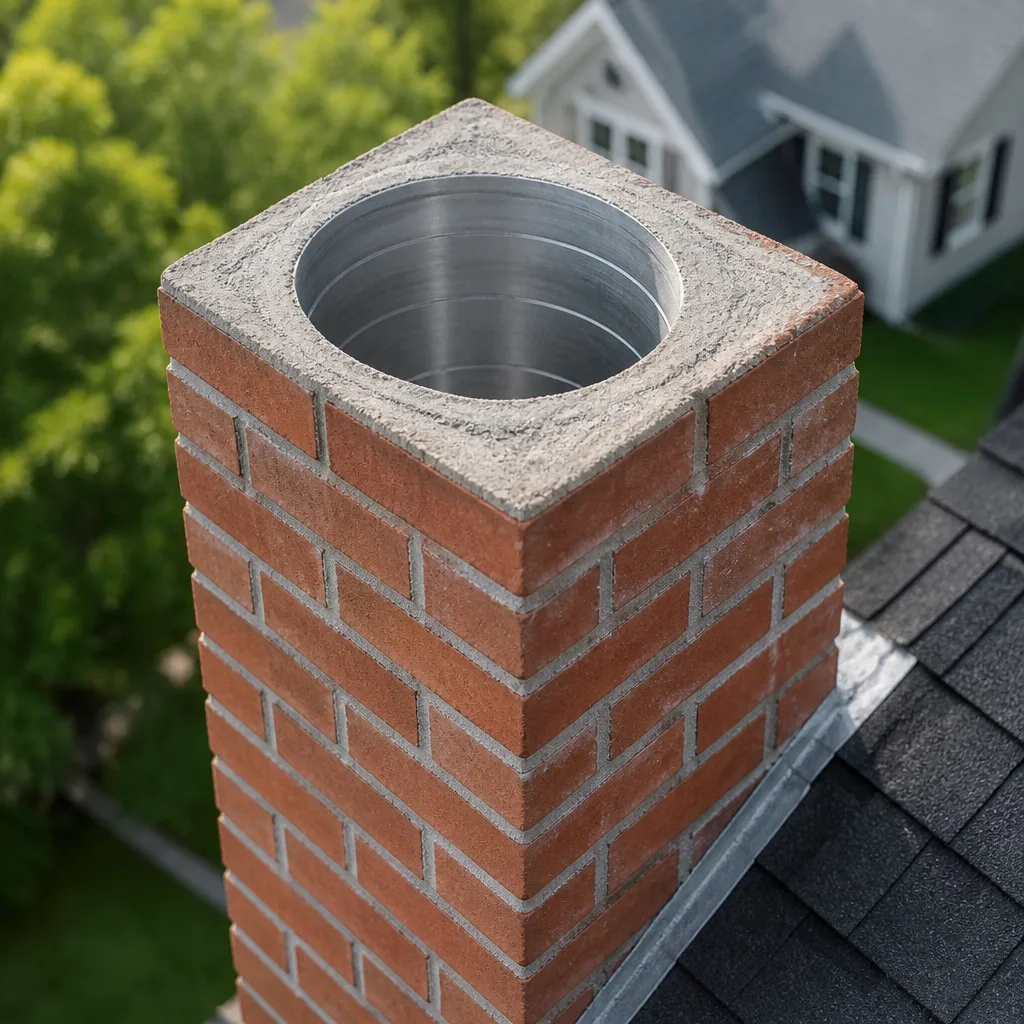 Flue relining
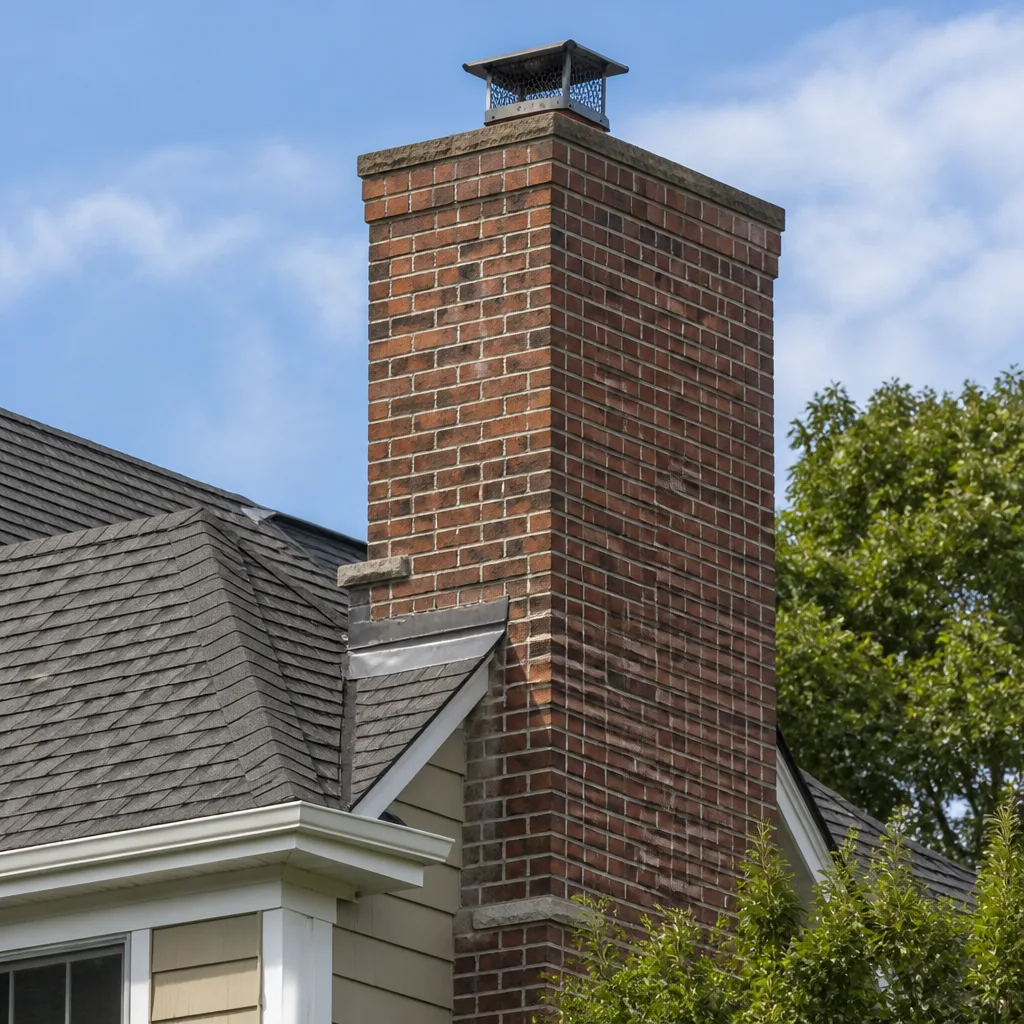 Masonry repair
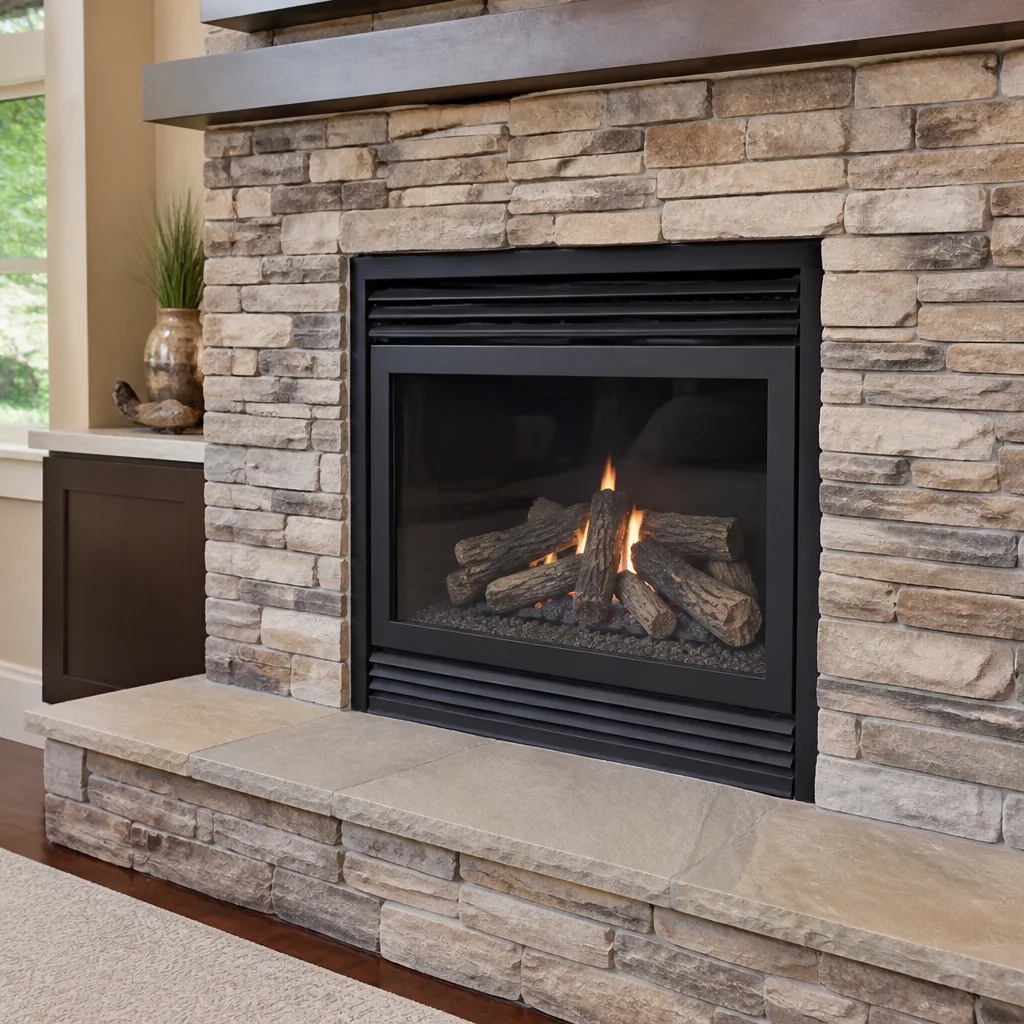 Gas fireplace service
Level 1 sweep and inspection to the NFPA 211 annual standard - flue, crown, cap, and flashing checked and photographed
Chimney sweep logs do not sweep chimneys. They loosen some creosote - which then falls where a brush and vacuum still have to collect it.
The Complete Guide to Chimney Cleaning in Murray
Most chimney advice floating around online was written for a generic house in a generic climate, and it shows. Murray is not a generic place. The city sits at roughly 4,300 feet in the Salt Lake Valley, and its homeowners run wood fires through an inversion season that stretches from November into February, when cold air settles under a warmer layer and smoke lingers instead of clearing. That pattern changes how often a flue needs attention, and it changes what a technician should be looking at while they’re up there. In this guide, we’ll walk through how chimney cleaning actually works in Murray, what “cleaned” is supposed to mean, when each level of inspection is warranted, and where cleaning stops and repair begins. We’ll also cover how liner integrity and resurfacing affect your long-term costs, because a sweep without an inspection is just guesswork.
Quick Answer
Chimney cleaning in Murray means removing creosote, soot, and blockages from the flue and firebox, then verifying with an inspection that the liner is intact and the chimney vents safely. Because Murray homes burn through a long, cold inversion season, most fireplaces used regularly need sweeping once a year, often right before the heating season starts in late fall. Cleaning alone is only half the job; a proper appointment pairs the sweep with an inspection that tells you what condition the chimney is actually in.
Styles & brands we work with
- Sweep & inspection
- Caps & crowns
- Flue relining
- Masonry repair
- Gas fireplace service
Table of Contents
- Why Chimney Cleaning Works Differently in Murray
- What “Cleaned” Actually Means: The NFPA 211 Standard
- Level 1, 2, and 3 Inspections: When Murray Homeowners Need Each
- What a Full-Lifecycle Appointment Looks Like
- Why Cleaning Without a Liner Check Is Incomplete
- How Resurfacing Extends the Time Between Relining
- What Chimney Cleaning Costs in Murray
- How Often Should You Schedule a Cleaning?
- What You Can Check Yourself and What You Can’t
Why Chimney Cleaning Works Differently in Murray
Murray’s climate puts a specific kind of stress on a chimney, and it starts with the way people actually burn fires here. During the inversion season, cold air gets trapped in the valley and temperatures stay low for stretches. That means many Murray households are lighting a fire most evenings and letting it burn down overnight, then lighting a fresh one the next day. Each of those cold starts deposits a thin layer of creosote on the flue walls. Stack enough cold starts across a five-month season, and the buildup adds up faster than it would in a milder climate where fires are lit less consistently.
Altitude matters too. At 4,300 feet, air is thinner, and a chimney drafts differently than it does at sea level. Draft is what carries smoke and combustion gases up and out, and when draft is sluggish, smoke lingers in the flue longer. More lingering smoke means more condensation on the flue walls, and condensed smoke is creosote. We’ve also seen how sharp temperature swings stress a flue liner over time. A fire that heats the flue to several hundred degrees and then cools overnight as the fire dies causes the liner material to expand and contract. Masonry and clay tile liners handle this, but repeated cycling will eventually open small cracks. Those cracks are exactly what an inspection is for.
The practical takeaway for Murray homeowners is this: the national advice to sweep “once a year if you use your fireplace regularly” is a starting point, not a ceiling. A household that lights a fire most evenings from November through February should expect to need annual service, and sometimes more frequent checks if the fire is burning wet or unseasoned wood. The best time to book a chimney sweep in Murray is late summer or early fall, before the first cold snap sends everyone else looking for an appointment at once.
What “Cleaned” Actually Means: The NFPA 211 Standard
Here’s a detail most homeowners never hear: “cleaned” isn’t a vibe, it’s a standard. NFPA 211 is the national code that covers chimneys, fireplaces, vents, and solid fuel appliances, and it defines what a proper cleaning and inspection should accomplish. A technician following it isn’t just running a brush up the flue and calling it done. They’re removing deposits down to the liner surface and then verifying the result.
A cleaning that meets the standard typically includes:
- Removing creosote and soot from the firebox, smoke chamber, smoke shelf, and flue, not just the visible flue opening.
- Clearing blockages such as nesting debris, leaves, or fallen masonry that restrict the flue.
- Checking that the flue is clear the full length, top to bottom, which usually means getting on the roof and looking down.
- Inspecting the liner and components for cracks, gaps, or deterioration once the deposits are gone.
- Confirming the cap and crown are intact, since both are the chimney’s first line of defense against water.
When a technician says the chimney is “clean,” you should be able to ask what that means and get a real answer: deposits removed, flue clear, liner checked. A sweep that skips the smoke chamber, or that cleans the flue without ever looking at the liner, hasn’t done the full job. This is why we treat cleaning and inspection as one appointment. The person who removed the creosote is in the best position to see what was underneath it.
Level 1, 2, and 3 Inspections: When Murray Homeowners Need Each
Most homeowners have never had the inspection levels explained to them, and the watered-down version online doesn’t help. NFPA 211 defines three levels of inspection, and they exist because different situations call for different depth of scrutiny. Understanding which level you need tells you what to expect from an appointment.
Level 1 Inspection
A Level 1 inspection is the routine check that accompanies an annual cleaning. The technician examines the readily accessible portions of the chimney and firebox, looking at the liner, the firebox walls, the damper, the smoke chamber, and the visible exterior. It’s appropriate when the appliance and fuel type haven’t changed, the chimney was in good shape at the last inspection, and nothing about the setup is new. If you’ve been burning the same wood in the same fireplace with no complaints, this is likely all you need.
Level 2 Inspection
A Level 2 inspection goes deeper. It’s required when something about the chimney or the home has changed: a property has been sold or transferred, a new appliance has been installed, an event like a chimney fire or a sudden weather event has occurred, or the homeowner is noticing a problem and wants to understand it. A Level 2 includes everything a Level 1 does, plus an examination of accessible attic, crawlspace, and other areas the chimney passes through, and often a video scan of the flue interior. For a Murray homeowner who has just moved into a house with an older fireplace, this is the inspection to ask for.
Level 3 Inspection
A Level 3 inspection is the most thorough and is only called for when a serious hazard is suspected and the previous levels can’t resolve it. It may involve removing parts of the chimney or surrounding structure to access concealed areas. In our experience, most Murray homes never need a Level 3, but when one is warranted, skipping straight past it because it seems invasive can leave a real problem undiscovered. A good technician will tell you plainly when a lower level is enough.
What a Full-Lifecycle Appointment Looks Like
Cleaning and inspection are the front half of chimney care. The back half is repair, and where most sweep-only outfits hand you off to a second contractor, a full-lifecycle approach keeps the diagnosis and the fix with the same specialist. Here’s what a complete appointment typically involves, start to finish:
- Conversation first. We ask how often you burn, what kind of wood you use, and whether you’ve noticed smoke backing up, odd smells, or a fireplace that doesn’t draft well. Your answers shape what to look for.
- Sweep and clean. The firebox, smoke chamber, damper, and flue are cleaned with drop cloths and a vacuum system to keep the room clean. Deposits are removed down to the liner surface.
- Inspect. With the deposits gone, the liner, smoke chamber, crown, and cap are examined. If the situation calls for a video scan, that happens here.
- Explain what we found. You get a plain description of the chimney’s condition and its meaning for you: is it safe to use, what should be done soon, and what can wait?
- Repair if needed. If the appointment turns up cracked masonry, a damaged crown, a failing cap, or a firebox that needs attention, we’re set up to handle it. That includes fireplace repair and larger chimney repair work using professional-grade materials like HeatShield for flue resurfacing, DuraFlex for liner systems, and components from Olympia Chimney and Copperfield.
- Follow up. You leave with a written record of what was done and a clear recommendation for when to schedule next.
The point of handling all of that under one company is accountability. The specialist who inspects the problem owns the solution, which means no gap between the person who found the issue and the person who fixes it.
Why Cleaning Without a Liner Check Is Incomplete
The liner is the part of your chimney you never see, and it’s the part doing the most important work. It’s what keeps combustion gases and heat inside the flue and away from the wood framing and masonry of your house. Creosote buildup is what most people worry about, but a cracked or deteriorated liner is the problem that turns an ordinary chimney into a genuine safety concern. Cleaning removes what’s sitting on the liner. It doesn’t tell you whether the liner itself is sound.
In our experience, that’s where a sweep-only service falls short. Once the flue is clean, the technician should look at the liner surfaces for cracks, gaps at the joints, and signs of spalling or deterioration. On a masonry chimney, a video scan can show the parts of the flue you can’t see from either end. If the liner is intact, you’re done. If it isn’t, you now know about it before it becomes expensive or dangerous, and you can decide how to proceed with real information rather than a guess.
That’s why we tell Murray homeowners that cleaning and inspection belong together. The cleaning gets you safe for the season. The inspection tells you whether the season after this one is safe too.
How Resurfacing Extends the Time Between Relining
Not every liner problem means a full relining job. When a masonry flue has cracks, gaps, or deteriorated mortar joints but the overall structure is sound, resurfacing can restore the interior surface and seal it back to a usable condition. HeatShield is a resurfacing product applied to the interior of the flue to smooth and seal it, and applying it correctly requires product-specific training, which is why not every sweep company offers it.
Resurfacing can extend the interval before a full relining becomes necessary, sometimes by years, which matters because relining is the larger expense. It also improves draft, since a smooth flue surface lets smoke and gases move up and out more efficiently, and that’s a real benefit in a high-altitude city like Murray where draft can already be marginal. When resurfacing isn’t the right answer, a liner system such as DuraFlex offers another route, and the components that surround it from Gelco or Olympia Chimney are selected to fit the specific chimney.
The honest version of all this: resurfacing isn’t a universal fix. It’s the right call for some chimneys and the wrong call for others, and the only way to know which you’re looking at is a proper inspection with a clear explanation of what was found. We fix the cause of the problem, not just the symptom, and that starts with telling you which solution actually fits your chimney.
What Chimney Cleaning Costs in Murray
Chimney work in Murray is priced per job, by a written estimate, because no two chimneys are in the same condition. A straightforward sweep on a clean, well-maintained flue is a smaller job than a first-time cleaning on a chimney that hasn’t been serviced in years, and an appointment that turns up a cracked crown is a different job again. The estimate is free, and the written quote sets the final price before any work begins.
What drives the cost of a cleaning and inspection appointment:
- How much buildup there is. Years of unremoved creosote takes more time to clear than a season’s worth.
- Flue length and access. A tall chimney or one with awkward roof access takes more time to service properly.
- Whether a video scan is needed. A Level 2 inspection with a camera is more involved than a Level 1 check.
- What the inspection finds. A damaged cap, a cracked crown, or a failed liner turns a cleaning into a repair, and that’s priced separately.
We quote the sweep before the appointment so there are no surprises, and anything else the inspection turns up is priced in writing before it’s done. If the chimney just needs cleaning, that’s what you pay for. Call (833) 468-3004 for a free estimate.
How Often Should You Schedule a Cleaning?
The standard answer is once a year for a fireplace in regular use, and for most Murray households that’s the right starting point. But between the annual cleaning, there’s a simpler test you can run yourself. Check the inside of the firebox and the flue opening after a few fires. If you can see a visible layer of soot or a fuzzy, sticky buildup, the chimney is telling you something.
Watch for creosote in its different forms. A light, flaky deposit is the early stage and is easier to remove. A crusty or shiny, glazed deposit is a sign of more concentrated buildup, and that’s the kind you want a professional to address rather than let sit for another season. In a climate like Murray’s, where cold starts are frequent through the inversion months, glazed creosote can develop faster than the once-a-year rule of thumb suggests.
Schedule around the seasons rather than waiting for a problem. Late summer and early fall are when Murray homeowners can get on the calendar without a rush, and it means the chimney is ready before the first real cold snap. If it’s already fall and you haven’t booked, that’s fine too: the goal is to have the flue inspected and clean before you’re relying on it every evening.
What You Can Check Yourself and What You Can’t
There’s a useful distinction between what a homeowner can safely check and what requires a trained technician. You can look up your chimney from the ground and see whether the cap is still on and the crown looks intact. You can open the damper and confirm it moves freely. You can watch how a fire burns: if smoke rolls back into the room instead of going up, that’s a draft problem worth mentioning.
What you can’t do is safely get onto the roof, look down the flue, and evaluate the liner, and we’d rather you didn’t try. The roof is steep, the surfaces are often slick, and the equipment needed to inspect a flue properly isn’t something most homeowners have. Beyond the physical risk, the judgment call of whether a liner is sound or a crown has failed takes training and the right tools to make reliably. Leave the roof work and the flue interior to a trained professional. If you want to help, note what you’ve observed about how the fireplace behaves and share it during the appointment. That context is genuinely useful.
Common Mistakes to Avoid
- Treating a sweep as the whole job. A cleaning without an inspection leaves you knowing the flue is clean but not whether it’s safe. The inspection is what turns a cleaning into real information.
- Burning unseasoned or wet wood. Green or damp wood burns cooler and smokes more, which means more condensation and faster creosote buildup. Dry, seasoned firewood burns cleaner and puts less on the flue walls.
- Skipping the cap. A missing or damaged cap lets rain, snow, and debris into the flue and lets animals nest inside. Water infiltration is one of the leading causes of long-term chimney damage, and a cap is a straightforward defense.
- Ignoring small cracks in the smoke chamber or crown. A hairline crack in the crown or a rough spot in the smoke chamber doesn’t announce itself, but it’s how water and heat start doing real damage over time. These are exactly what a Level 1 or 2 inspection is looking for.
- Waiting until the first cold week to book. In the run-up to the inversion season, appointments fill up. Booking in late summer or early fall is the low-stress way to be ready.
- Assuming a cleaning fixes a draft problem. If smoke backs up into the room, cleaning may help, but it can also point to a liner or smoke chamber issue that cleaning alone won’t solve. That’s a repair conversation, and it’s worth having with someone who can do both.
- Taking a verbal “looks fine” as an inspection. Ask what was checked and what the liner condition is. The answer should be specific. If it isn’t, that’s your cue to ask more questions.
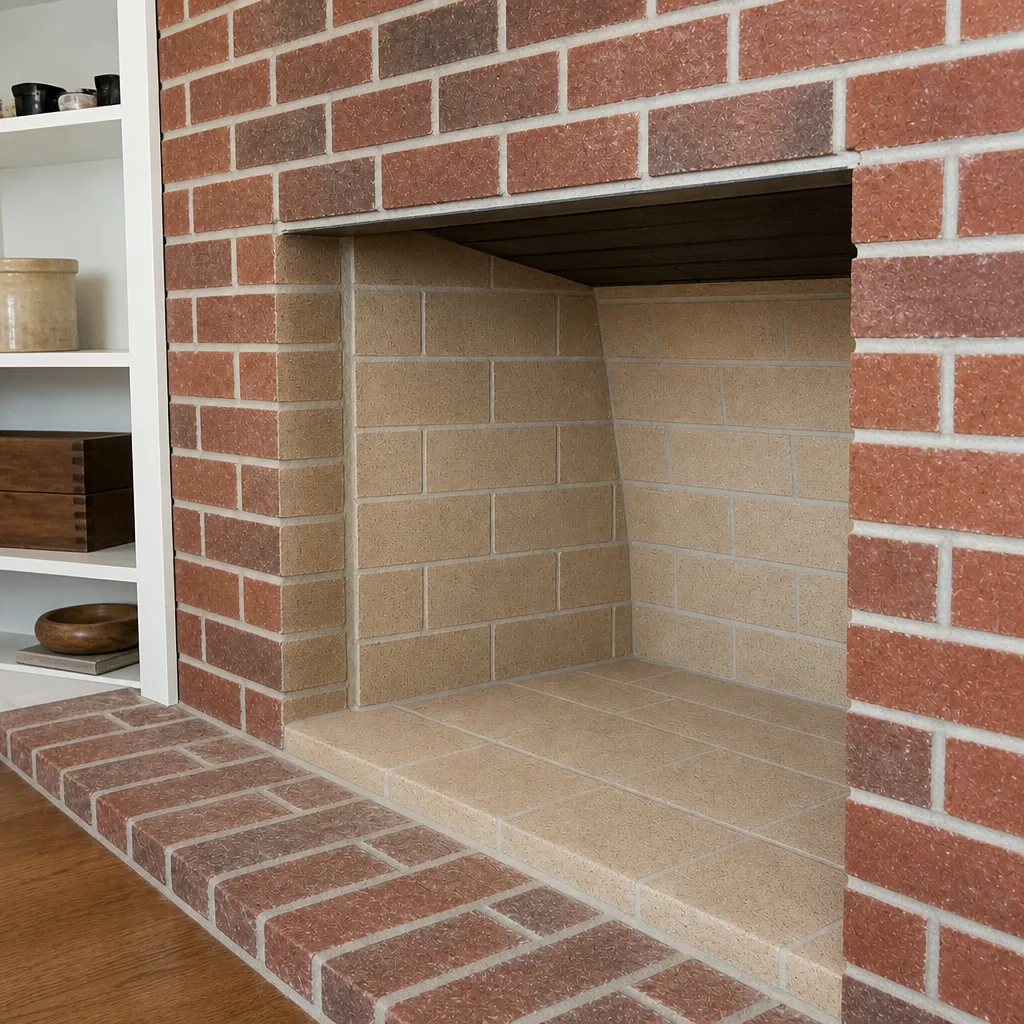
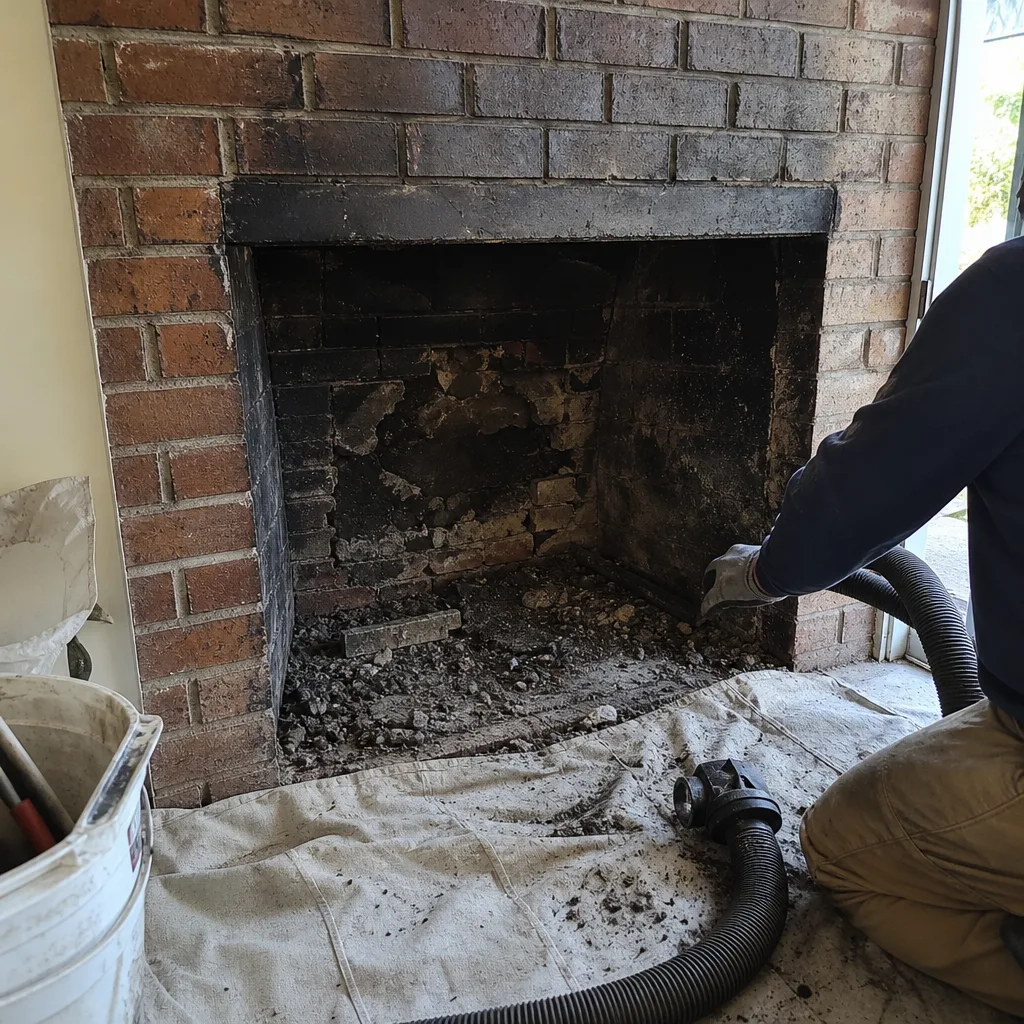
See the difference
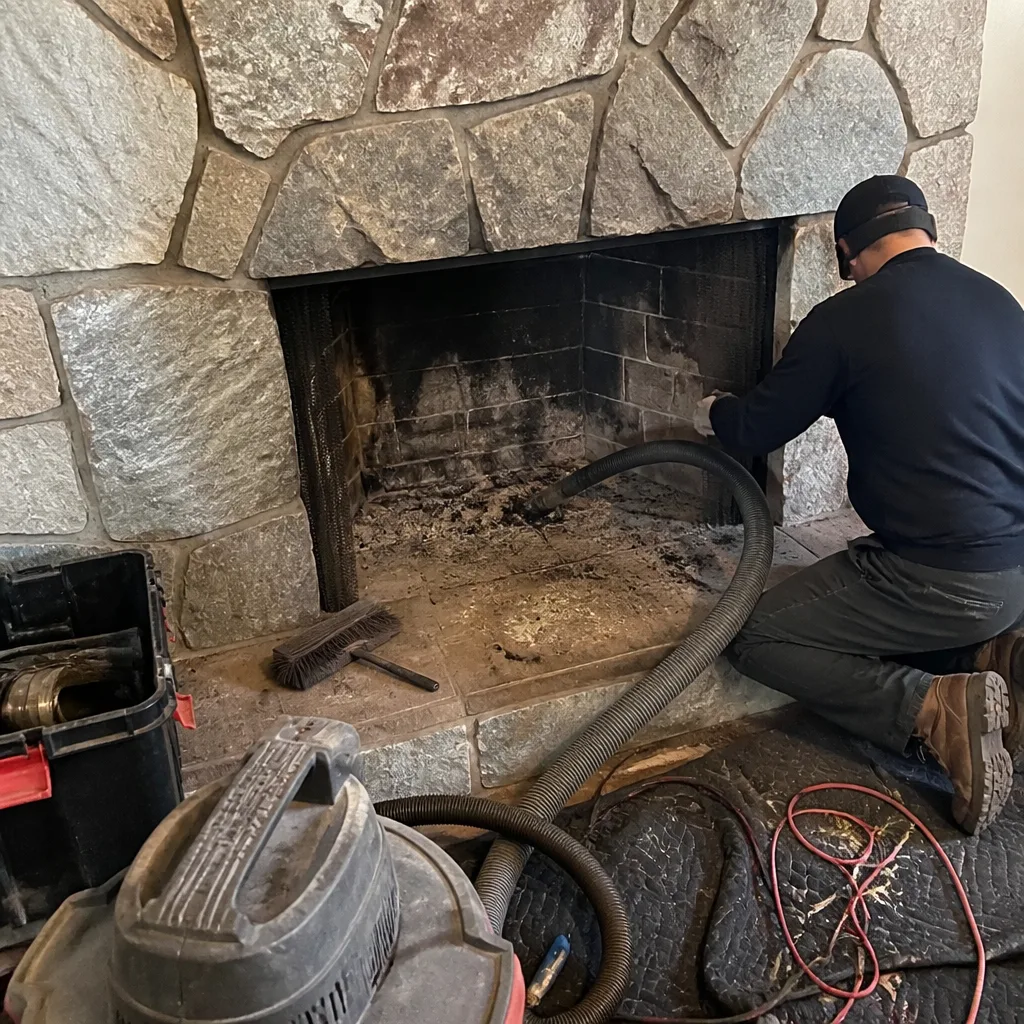 Before
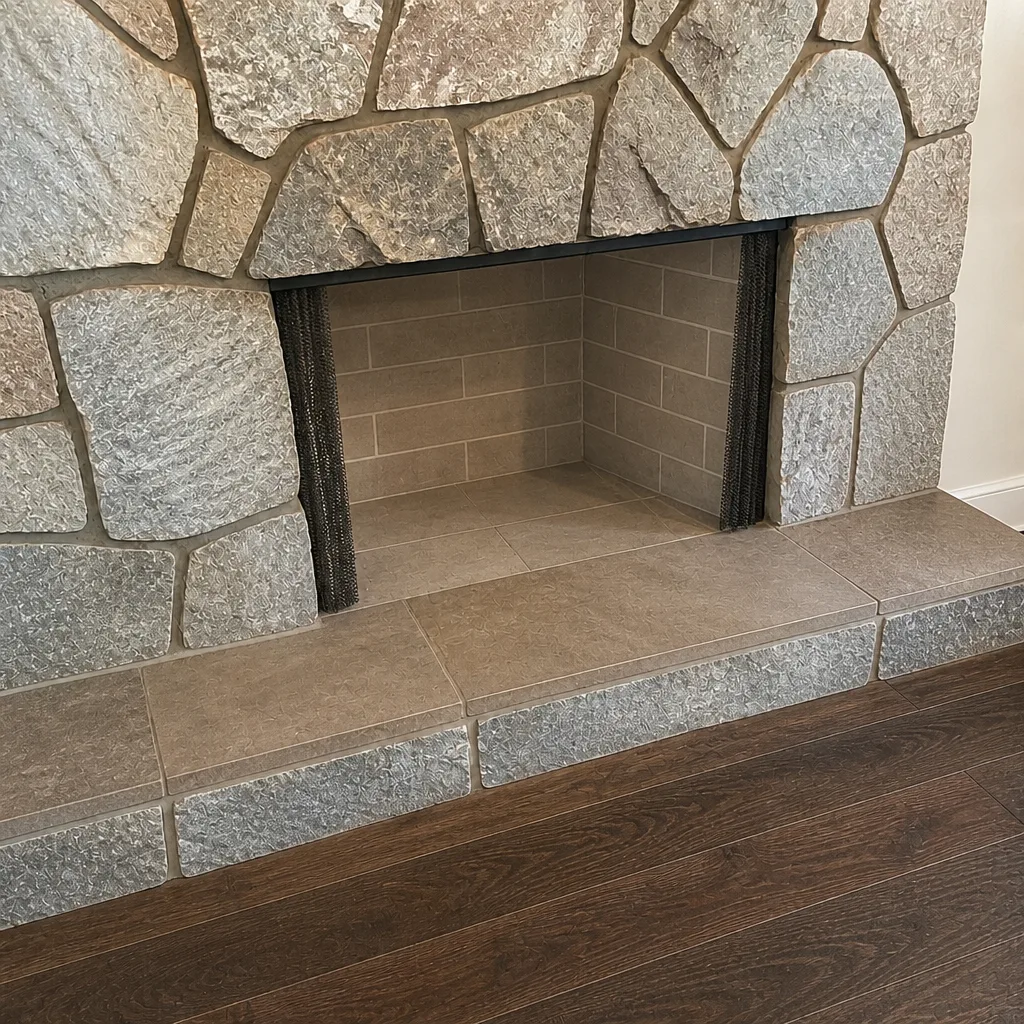 After
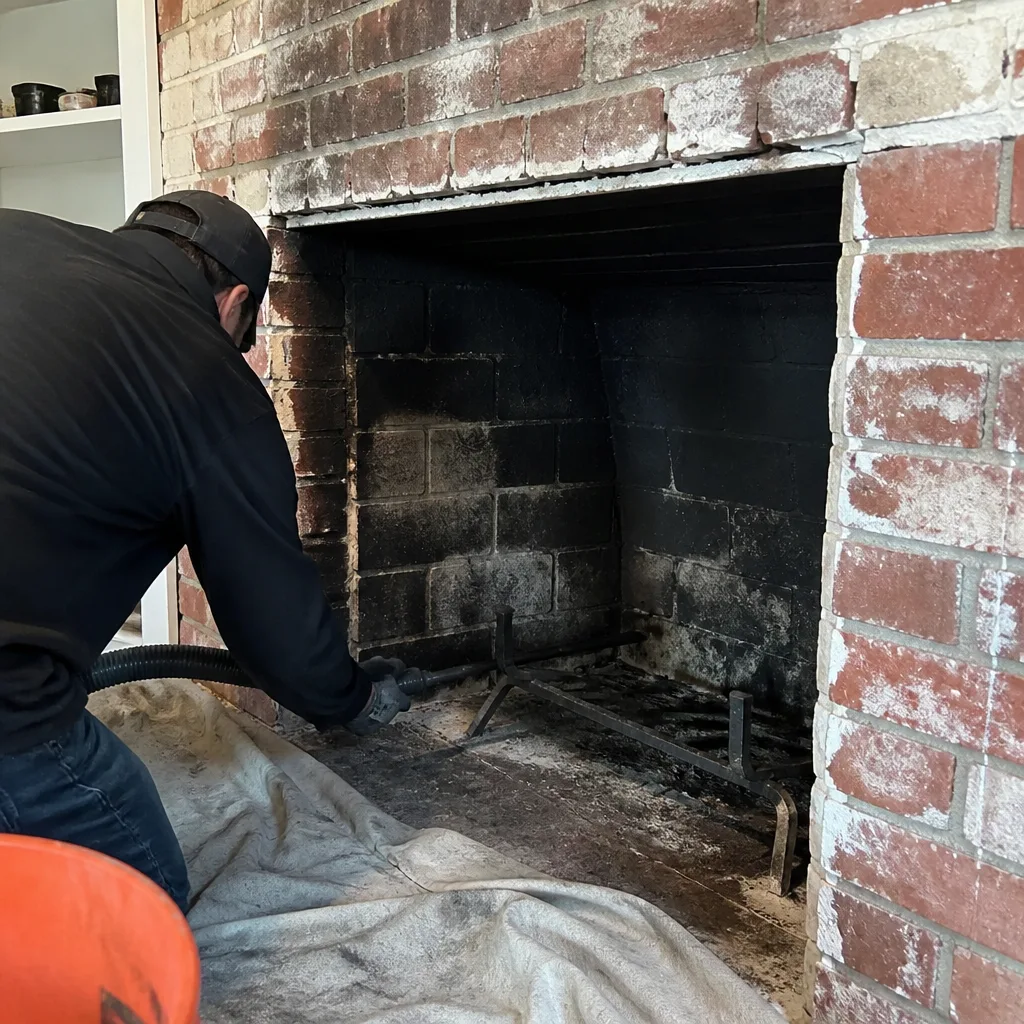 Before
 After
 Before
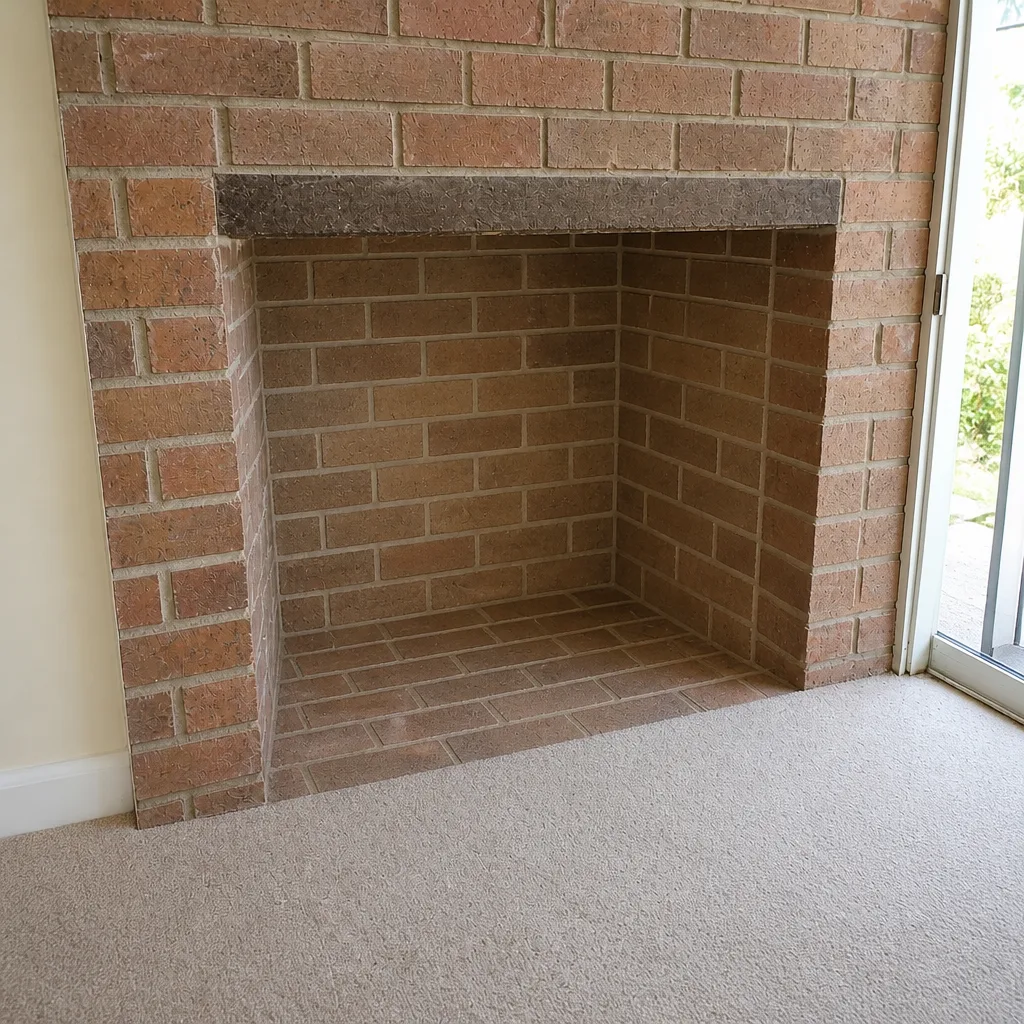 After
When to Call a Professional
Some situations are a clear call for a trained technician: smoke rolling back into the room when you light a fire, a smell of creosote in the house even when the fireplace is out, a chimney that hasn’t been serviced in more than a year, a new home with an unknown service history, or a chimney that took a hit from a storm. If you’ve had a chimney fire, even a small one, get it inspected before you burn again. And if you’re simply not sure when the chimney was last cleaned, that’s reason enough. Murray Chimney Sweep offers free estimates in Murray. Call (833) 468-3004.
Frequently Asked Questions
Chimney cleaning in Murray is priced per job, by a written estimate, because the cost depends on how much buildup there is, how accessible the flue is, and whether the inspection calls for a video scan. The estimate is free, and the written quote sets the final price before any work starts. Call (833) 468-3004 for an exact quote.
Cleaning alone is incomplete because it removes the creosote but doesn’t confirm the liner is sound. An inspection checks the liner, smoke chamber, crown, and cap for damage that cleaning won’t reveal. A sweep without an inspection is just guesswork. Call (833) 468-3004 to book a cleaning and inspection together.
Once a year for a fireplace in regular use is the standard starting point. Murray’s long inversion season means many households burn most evenings from November through February, and frequent cold starts can push creosote buildup faster than the once-a-year rule assumes. Check the firebox for visible soot between cleanings, and if you see sticky or glazed deposits, book sooner. Call (833) 468-3004 to schedule.
Creosote accumulates on the flue walls with every fire, and heavy or glazed deposits are what feed a chimney fire. A blocked or restricted flue can also cause smoke and carbon monoxide to back up into the house instead of venting outside. Skipping a cleaning doesn’t create an immediate hazard in every case, but it removes the inspection that would catch a problem while it’s still small. Call (833) 468-3004 for a free estimate.
A Level 1 is the routine annual check of accessible chimney components, a Level 2 goes deeper and is required after a property transfer, appliance change, or suspected problem, and often includes a video scan, and a Level 3 is the most invasive and is only called for when a serious hazard is suspected. Most Murray homes need a Level 1 each year, with a Level 2 when something has changed. Call (833) 468-3004 to talk through which level fits your situation.
We handle the full chimney, from the firebox to the crown, so a problem found during inspection can be diagnosed and repaired by the same specialist. That includes cap and crown work, fireplace repair, and chimney repair using professional-grade materials like HeatShield, DuraFlex, and Copperfield components. Call (833) 468-3004 for a free estimate.
The Bottom Line
Cleaning a chimney in Murray means more than removing soot. It means understanding how the inversion season and altitude affect creosote buildup, pairing the sweep with an inspection that follows the NFPA 211 standard, and knowing when a liner or crown problem needs repair rather than just another cleaning. Book before the heating season starts, watch your firewood for moisture, keep the cap on, and ask your technician what they found and what it means. If you want an appointment that covers the full chimney, from the firebox to the crown, Murray Chimney Sweep is set up for the whole job. Call (833) 468-3004. We answer 24/7. Fast dispatch from 7am to 7pm, Sunday through Friday.
Learn more about what we do on our Murray Chimney Sweep home page.
Written by the team at Murray Chimney Sweep.