
Last updated November 24, 2026
 Sweep & inspection
 Caps & crowns
 Flue relining
 Masonry repair
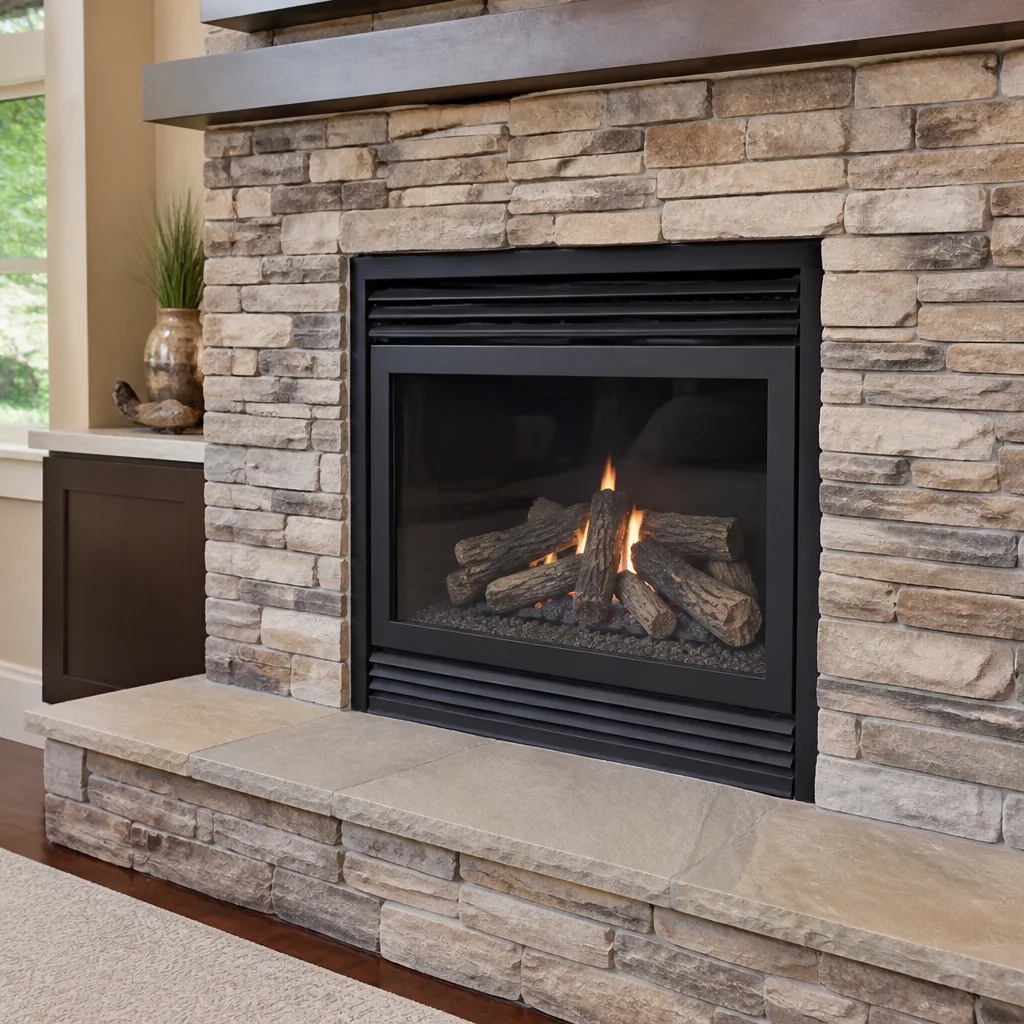 Gas fireplace service
Level 1 sweep and inspection to the NFPA 211 annual standard - flue, crown, cap, and flashing checked and photographed
Chimney sweep logs do not sweep chimneys. They loosen some creosote - which then falls where a brush and vacuum still have to collect it.
Chimney Cleaning Warning Signs: A Murray Homeowner’s Reference Guide
The chimney fire most people picture announces itself with a roar and flames shooting from the top of the stack. The one that actually happens tends to arrive quietly, over seasons, while a homeowner notices something small and shrugs it off: the fireplace just doesn’t draw like it used to. By the time smoke rolls into the room or the smell changes, the flue has often been narrowing for a while. This guide covers the warning signs Murray homeowners most often dismiss or blame on the wrong thing, and it’s built from what we look for during a chimney sweep in Murray.
Quick Answer
The most reliable chimney cleaning warning signs are a fireplace that draws more slowly than it did a few seasons ago, a sharp oil-like smell coming from the firebox in warm months, white staining on exterior brick, cracked or flaking flue tiles visible above the damper, and smoke that lingers or backs into the room. Any one of these is a reason to book a sweep and inspection, not a reason to wait for a bigger symptom.
Styles & brands we work with
- Sweep & inspection
- Caps & crowns
- Flue relining
- Masonry repair
- Gas fireplace service
Table of Contents
- Draw Degradation: The Sign That Shows Up First
- Creosote Odor: Normal Summer Smell vs. Stage 3
- Efflorescence on Exterior Brick: Water Getting In
- Spalling Flue Tiles: Catching a Liner Failure Early
- Damper, Liner, or Cap? Telling Three Problems Apart
- What a Sweep Actually Looks For in Murray
- When to Schedule: Reading the Murray Seasons
- What You Can Check Yourself and What You Shouldn’t
Draw Degradation: The Sign That Shows Up First
When smoke takes longer to leave the firebox than it did two seasons ago, that is draw degradation, and it is usually the earliest measurable warning sign of a narrowing flue. In our experience, homeowners notice the change without naming it. A fire that used to catch and pull cleanly now needs the damper opened wider. A little smoke curls out before the draft establishes. A room that used to stay clear feels hazy on a cold evening.
Draw depends on three things: the flue’s cross-sectional area, the smoothness of its interior surface, and the height of the stack above the firebox. Creosote builds in layers, and each layer reduces the area a little more. The glaze that forms in the upper flue is the worst offender. It is dense and reflective and narrows the passage unevenly, which is why draw degradation is often the first thing a Murray homeowner notices and the last thing they attribute to creosote.
The other common cause of slow draw is a flue that is too large for the appliance, or a firebox that has been modified. A fireplace that was always sluggish may be running on an oversized flue, and the fix is not more sweeping. It is a proper inspection to size the problem. Contact Murray Chimney Sweep if draw has changed in the last one or two seasons and you cannot point to a weather reason for it.
What most homeowners miss is the timing. Draw rarely collapses in a single day. It fades. That slow fade gives a homeowner plenty of warning if they are paying attention, and it is exactly the window a professional sweep closes before the flue gets bad enough to burn.
Creosote Odor: Normal Summer Smell vs. Stage 3
Every chimney that has been burned in will carry some creosote odor in warm weather. Creosote is a natural byproduct of burning wood, and as temperatures rise, a faint smoky, ashy smell drifting down from the firebox is normal. It is annoying, but it is not a warning.
The sharp, oil-like smell that shows up in summer or on a humid day is different. It indicates more advanced creosote buildup, the dense glazed deposits that form when a flue runs cool or a fire is starved of air. Homeowners describe it as burnt rubber, kerosene, or something chemical. That smell means a deposit layer has reached the point where a sweeping alone may not clear it, and where a proper inspection is the only way to know what you’re dealing with.
We distinguish the two smells this way. If the odor is faint, earthy, and dissipates with a cracked window, it is ordinary. If it is strong, oily, and lingers even with ventilation, it warrants a call. In our experience, the sharp smell often appears on the upper floor or in a room adjacent to the chimney chase, which is another sign the deposit has collected high in the flue where the fire cannot reach it.
Left alone, that stage of creosote is the fuel source for the quiet kind of chimney fire that narrows a flue over seasons. Treating it as a plumbing smell, an attic problem, or a seasonal nuisance is the mistake we see most often. A sweep with a camera inspection answers the question definitively. If you’re smelling something sharp, call (833) 468-3004 before your next fire. We answer 24/7. Fast dispatch from 7am to 7pm, Sunday through Friday.
Efflorescence on Exterior Brick: Water Getting In
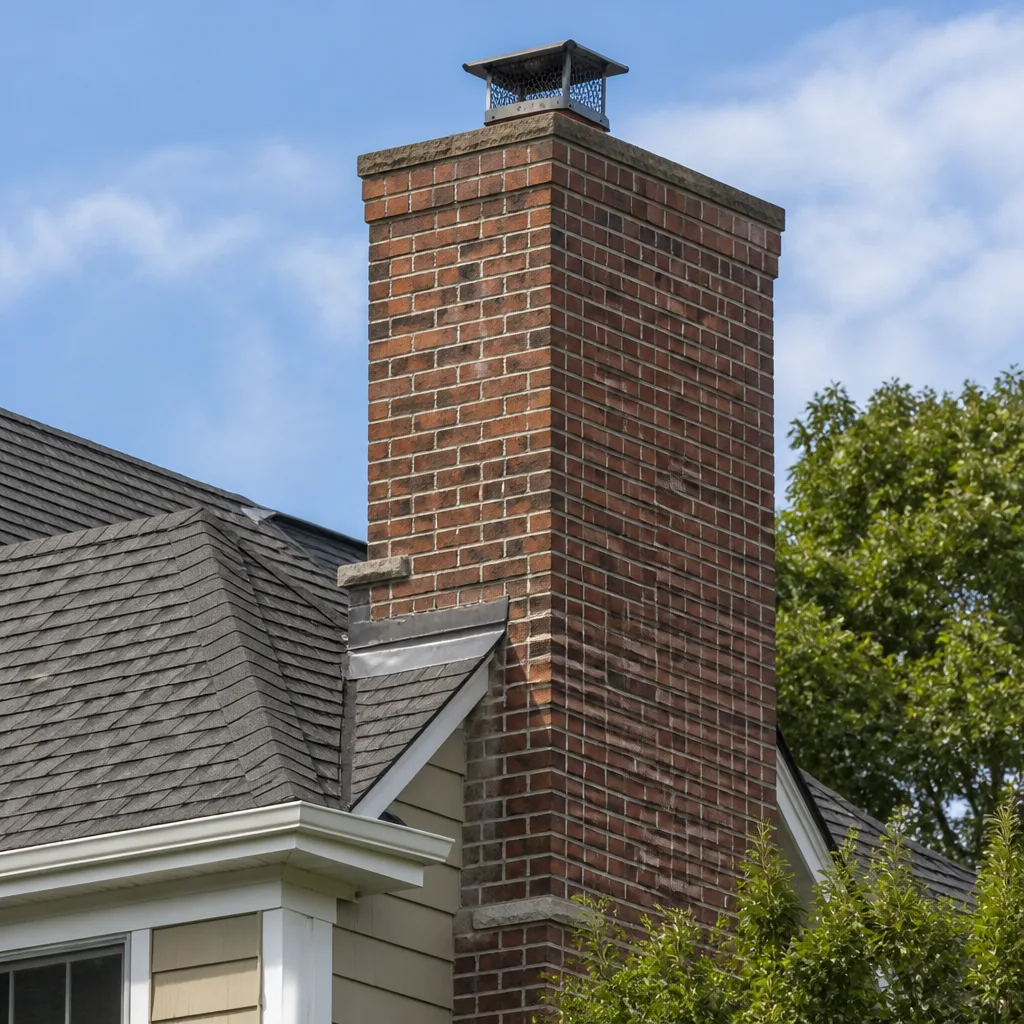
White staining on the exterior brick of a chimney is called efflorescence, and most homeowners assume it is cosmetic. It isn’t. Efflorescence is the visible footprint of water passing through masonry and evaporating from the surface, leaving mineral salts behind. The stain is the symptom. The cause is water intrusion.
Water gets into a chimney through a few reliable paths in Murray and along the Wasatch Front:
- A crown that has cracked or settled away from the flue, letting rain run down the flue’s outer wall.
- A missing or damaged cap, which exposes the top of the stack to direct rain and snow.
- Failed flashing where the chimney meets the roofline, a common spot for slow leaks that never show up inside the house.
- Mortar joints that have decayed on the weather face, absorbing rather than shedding water.
Once water is inside the masonry, damage compounds through freeze-thaw cycles. Murray winters produce plenty of them. Water saturates the brick or mortar, freezes, expands, and pushes the masonry apart. A white stain in spring can become a spalled brick face by the following spring, and mortar that was jointed can crumble out.
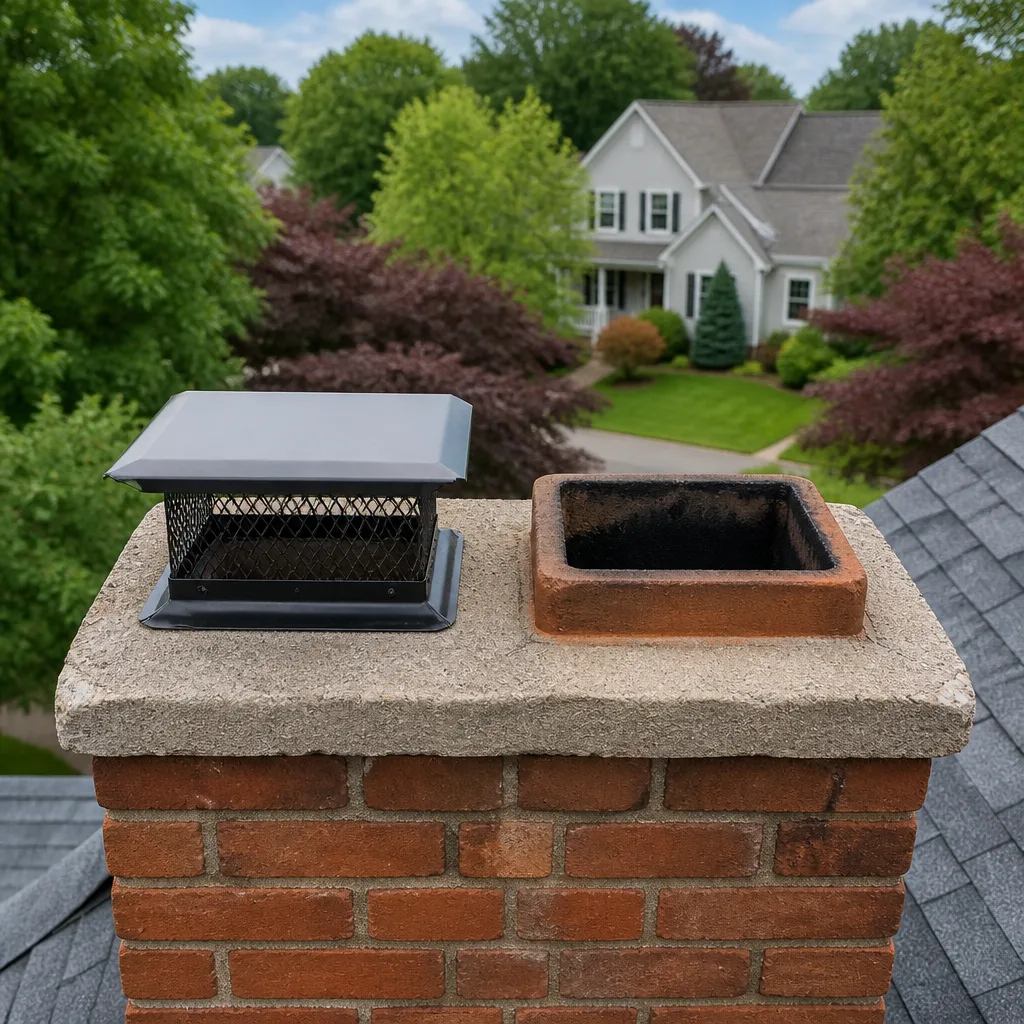
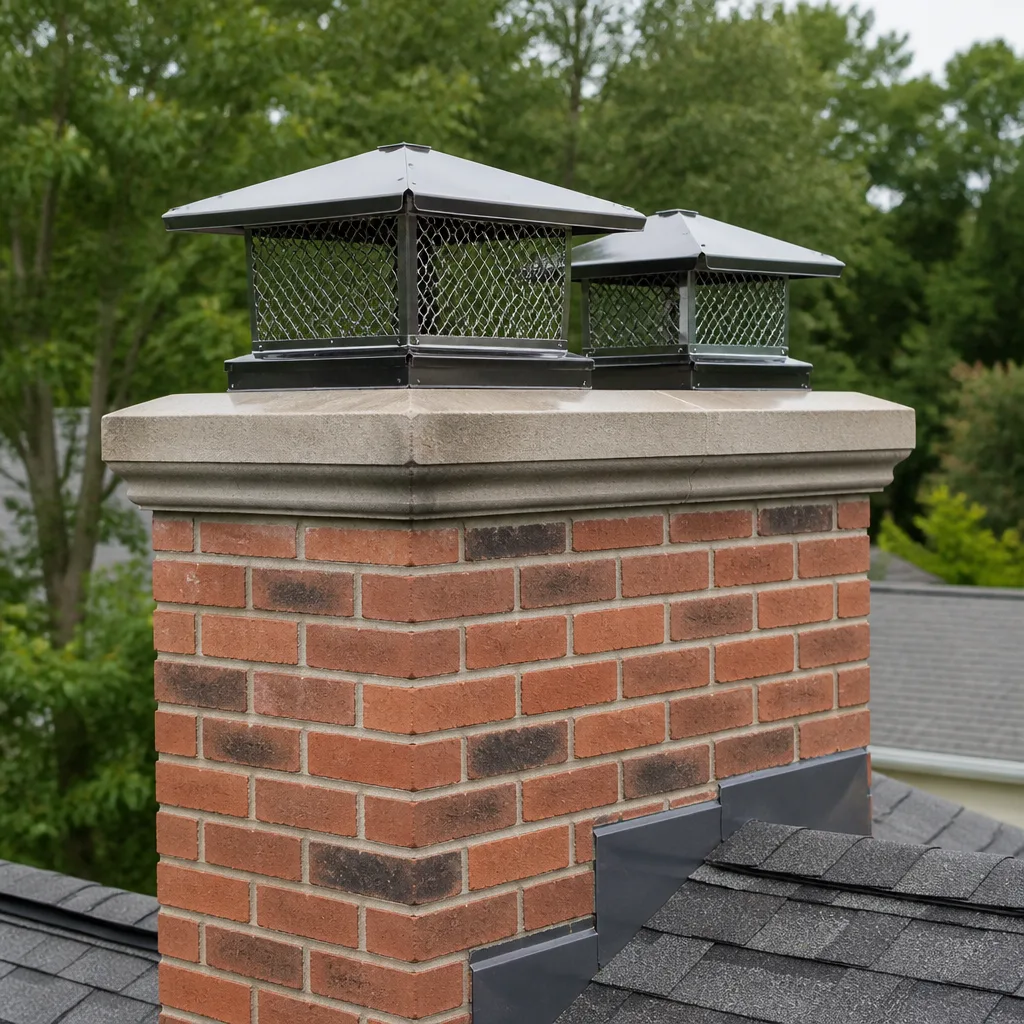
Chimney cap and crown installation is our fix for this. We work with Copperfield components for caps that shed water and fit the flue properly. When we see efflorescence on a chimney in Murray, we check the crown, cap, and flashing together, because fixing one source of water intrusion and leaving the others is how homeowners end up paying twice. The stain is the reason to take a look. The fix is the reason to stay on top of it.
Spalling Flue Tiles: Catching a Liner Failure Early
Clay flue tiles crack and flake as they age. That is spalling, and it is visible in the firebox and at the top of the stack. Spotting it early is the difference between resurfacing a flue and dealing with a failed liner, which is a much more involved repair.
To identify spalling, look inside the firebox with a strong light during the off-season when there is no fire. Then follow these steps:
- Look at the tiles above the damper assembly. Intact tile is smooth and gray. Spalling tile has a crazed or flaking surface.
- Look at the joints between tiles. Gaps wider than a thin line, or joints where mortar has fallen out entirely, are warning signs.
- Look for tile fragments at the bottom of the firebox or resting on top of the damper. Any scattered debris is a sign the tile above is failing.
- Look up at the top of the stack if it is safe to do so from the ground or a window, not from the roof. Missing tile, off-color brick, or heavy soot at the top of the flue all deserve a professional look.
Once a flue tile is cracked, the inside of the chimney is no longer sealed from the house. Creosote and byproducts can reach the surrounding masonry, and heat can contact combustible construction. A cracked tile is why residential chimney flues are inspected, and it is why we run a camera through the flue during a sweep rather than trusting a flashlight from below.
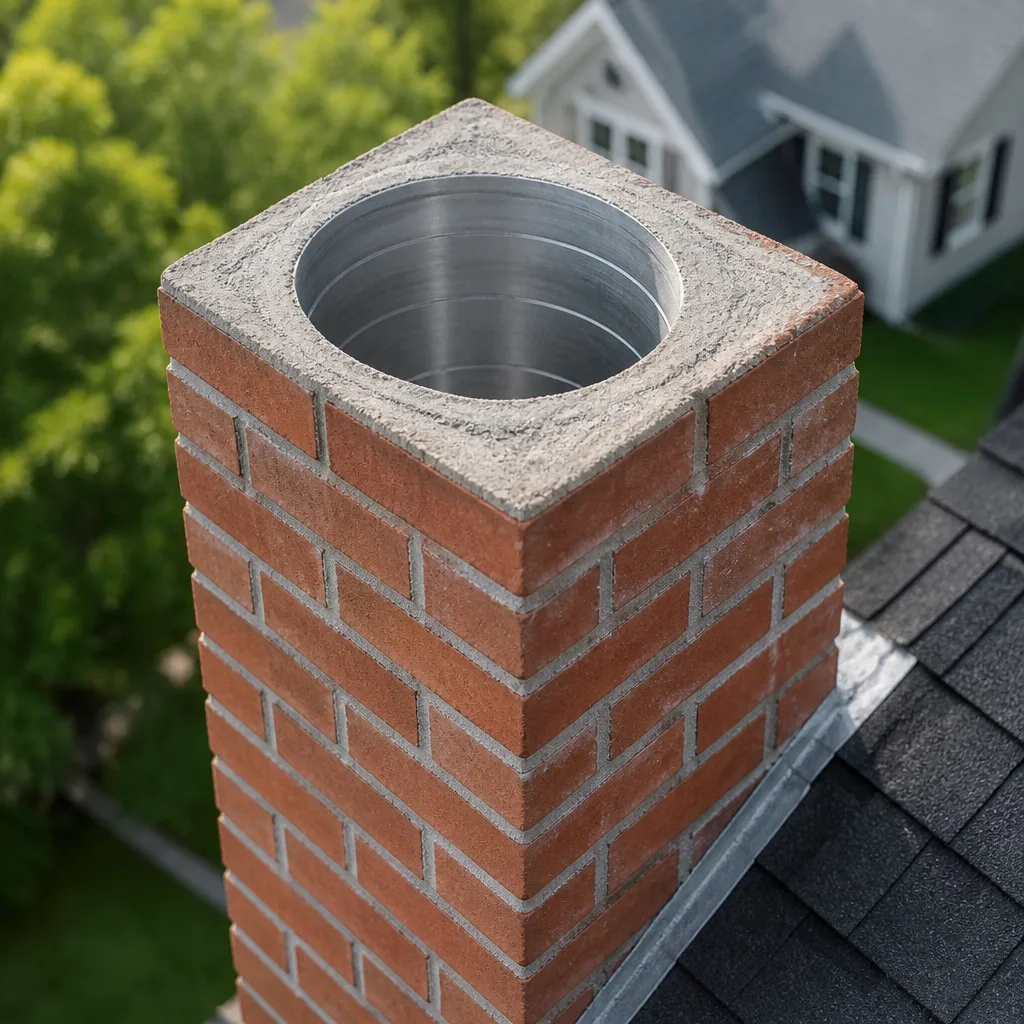
When the tiles are damaged, we resurface with HeatShield in cases where the structural tile is still sound. When the liner is beyond resurfacing, DuraFlex liner systems are the replacement path. For a homeowner, the practical takeaway is that spalling tiles are a schedule-now problem, not a wait-and-see problem. Reach out to Murray Chimney Sweep and we’ll run the camera and show you what we see.
Damper, Liner, or Cap? Telling Three Problems Apart
When a fireplace isn’t working right, homeowners often describe the same three symptoms: smoke in the room, weak draw, and an occasional smell. Those symptoms have three very different common causes, and telling them apart changes what kind of repair is needed.
Damper Problems
A damper problem tends to feel mechanical. The handle sticks. The plate doesn’t open fully. It sits crooked when closed. In some cases, the damper has rusted and no longer seals, so the fireplace pulls cold air down the flue in winter and you can smell the last fire for days. A damper fix is usually the least involved of the three repairs, but the firebox needs to be properly evaluated before any repair.
Liner Problems
A liner problem tends to feel structural. Draw drops even with a fully open damper. You may see tile fragments in the firebox or smell creosote more strongly than usual. In severe cases, smoke backs into the room regardless of how hot the fire is. A liner inspection needs a camera. A flashlight from the hearth will not show you a crack two-thirds of the way up the flue. Repair options range from resurfacing with HeatShield to a full DuraFlex liner installation, depending on the extent of the damage.
Cap Problems
A cap problem tends to feel seasonal. Draw gets worse in windy weather. Water in the firebox after a storm means the cap has failed. A strong downdraft that pushes smoke into the room on certain days is often a cap or an improperly sized cap. Cap and crown installation is one of the five services we provide, and it hits the most common source of chimney water damage.
In Murray, we see all three in the same house more often than you would guess. A cap that has been missing for two winters causes water damage that cracks a flue tile that then compromises draw. A homeowner who only fixes the cap misses the liner problem. That is why we diagnose the whole system. A sweep without an inspection is just guesswork, and the diagnosis has to come before the repair.
What a Sweep Actually Looks For in Murray
A proper chimney sweep is a diagnostic visit, not a brushing. Here is what happens when we sweep a chimney in Murray, and what we are looking at along the way:
- Exterior and roof-level check. We look at the crown, the cap, the flashing, and the weather face of the masonry before we ever go inside. Efflorescence and spalling show up here first.
- Firebox and damper inspection. We check the damper plate, the firebrick, and the smoke shelf for signs of spalling tiles, warped metal, or gaps that would explain weak draw.
- Flue cleaning. Brushing is done with the correct size and type of brush for the flue’s material. Glazed creosote requires more than a brush; that is where a camera comes in.
- Camera inspection. We run a camera the full height of the flue to look for spalled tiles, joint gaps, and any obstruction. Photos are included so the homeowner sees what we see.
- Top-of-stack check. We look at the top of the flue from the roof, confirm the cap is intact, and confirm no birds or debris have nested in the stack.
- Repair recommendations. If something needs fixing, we explain what we found, what it means, and what we’d recommend as the next step.
This is the difference between a sweep-only visit and the full-lifecycle approach we take. We carry the five services we offer under one company: chimney sweeping, chimney inspection, fireplace repair, chimney repair, and cap and crown installation. If a repair is needed, the same specialist who found the problem handles the fix. You aren’t handed off to a second contractor.
Our technicians have up to 15 years of experience, and we work with the material lines that let us solve problems most sweep-only operators can only point at: HeatShield for flue resurfacing, DuraFlex for liners, Copperfield for caps and components, plus Olympia Chimney and Famco for the parts that hold it all together. We only recommend repair when we have camera evidence you can see for yourself, and we say plainly when work can safely wait.
When to Schedule: Reading the Murray Seasons
Murray sits along the Wasatch Front, and the burning season here is long enough that timing your sweep matters. The short answer: schedule in the spring or summer, or at minimum before your first fire in the fall.
The reason is creosote behavior. Creosote deposits are more stubborn in cold weather, and glazed deposits that built up across a full winter are hardest to remove when they’ve had a summer to cure. Sweeping in late spring or summer catches the buildup from the previous burning season and clears it while the weather cooperates. It also gives the inspector a clean view of the liner in warm months, which is when repairs are easiest to schedule and complete.
There’s a second reason that Murray homeowners sometimes don’t hear. Winter inversion and cold-air pooling along the Wasatch Front can affect how a chimney draws on calm, cold days. A slightly restricted flue that draws fine on a windy fall afternoon can struggle on a still, cold January morning when the inversion is heavy. Add a full winter of creosote and the fireplace goes from “slightly slow” to “backdrafting into the room” in one season. Booking a sweep before that season starts leaves room to correct the problem without waiting weeks for a slot.
If you are moving into a home in Murray with a fireplace you haven’t used, or if you can’t remember the last time the chimney was swept, book before the first fire. Reach out to Murray Chimney Sweep and we’ll get the sweep and inspection on the calendar. A sweep without an inspection is just guesswork.
What You Can Check Yourself and What You Shouldn’t
Some chimney warning signs are visible from the living room. Others are genuinely dangerous to investigate, and getting that line right matters for a homeowner’s safety.
What you can check safely
- Exterior white staining on the brick, from the ground.
- Cracked or missing caps, visible from the ground with binoculars.
- Damper handle operation, with no fire in the firebox.
- Visible flue tiles above the damper with a strong flashlight.
- Debris or tile fragments resting in the firebox.
- Signs of water in the firebox after a storm.
What you should not check yourself
- Anything on the roof or at the top of the stack. Fall risk is real, and a slip near a hot flue is worse.
- The inside of the flue above the firebox. Restricted access, soot, and occasional animal debris make it an unsafe space to enter.
- Any structural repair to the firebox, damper assembly, or liner. These are the parts of the system where a mistake means heat contacting combustible construction.
The general rule we give Murray homeowners is this: if checking something means going on the roof or putting your arm up the flue, leave it. A professional sweep with a camera does that work in minutes and shows you the result. For anything involving a damaged flue, a cracked firebox, or a chimney fire that you suspect already happened, have a trained professional confirm the state of the chimney before your next fire.
Common Mistakes to Avoid
- Blaming slow draw on weather. Murray’s cold winters do affect draft, but a fireplace that was fine two seasons ago and is sluggish now has a physical cause. Dismissing it as “just a cold snap” is how a narrowing flue goes another winter.
- Treating the sharp creosote smell as a seasonal nuisance. The oil-like odor of glazed creosote is not the same as the mild smoke smell that comes with any used fireplace. If it lingers, book a sweep.
- Assuming white brick stain is cosmetic. Efflorescence on a Murray chimney usually means a crown, cap, or flashing has failed. Left alone, the freeze-thaw cycle along the Wasatch Front turns a stain into spalled masonry.
- Painting over the efflorescence. A fresh coat of masonry paint hides the evidence and traps water inside. Fix the source of intrusion, then address the appearance.
- Getting a sweep without an inspection. A sweep without an inspection is just guesswork. A brush clears creosote but doesn’t show you a cracked flue tile, a failing cap, or a joint gap two-thirds of the way up the flue.
- Calling a cap problem a liner problem. Cap issues look like draft problems in wind, and liner issues look like smoke in the room. Diagnosing the wrong one wastes a repair.
- Waiting for a bigger sign. The signs on this list are the early ones. The late ones are a chimney fire, a carbon monoxide alarm, or smoke that won’t clear. A sweep in Murray in spring is a small visit. A chimney fire is not.
See the difference
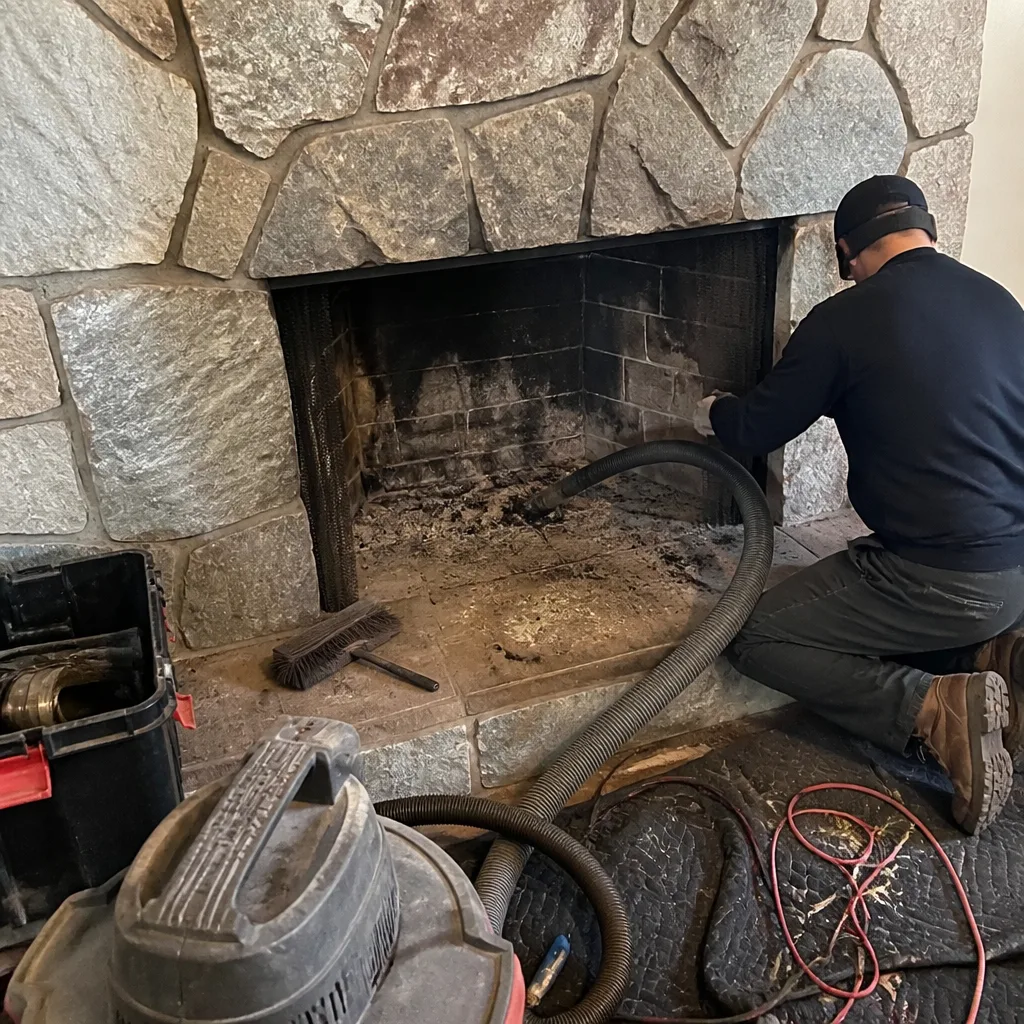 Before
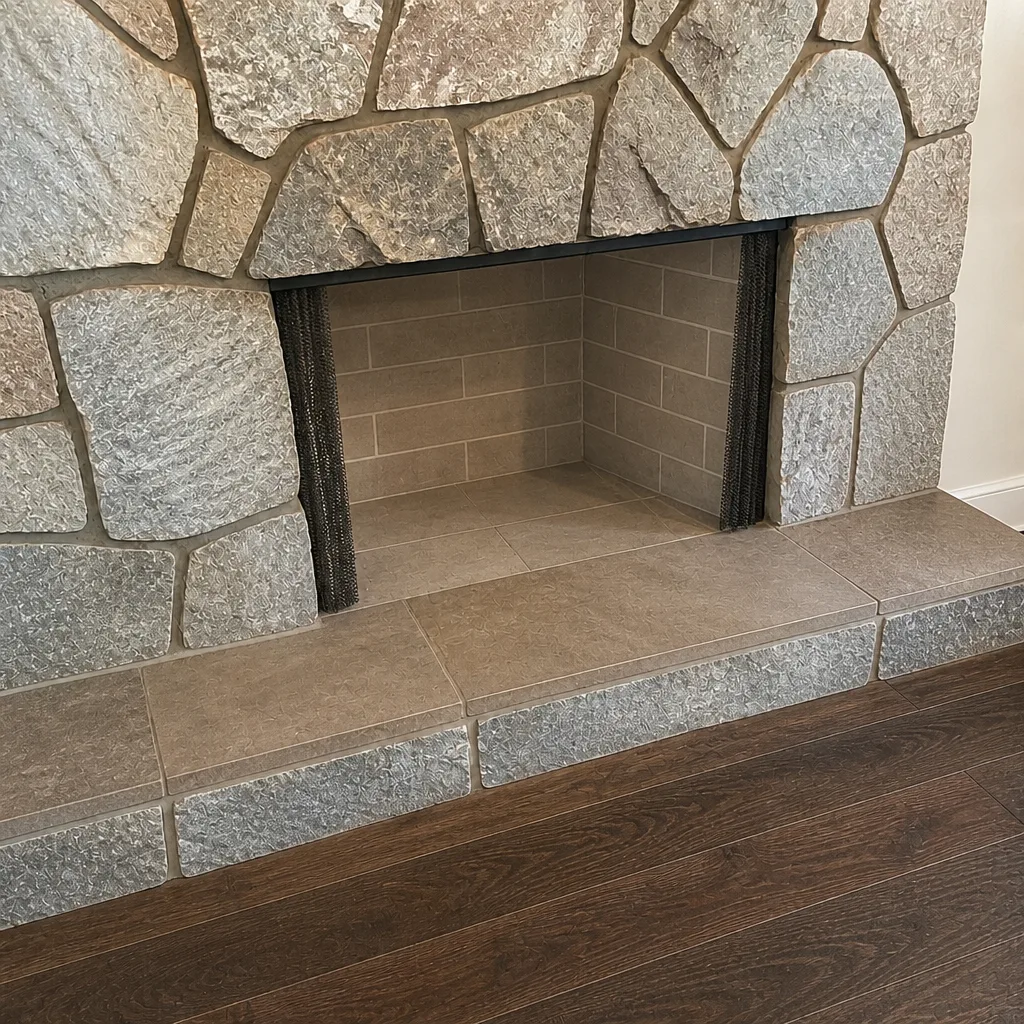 After
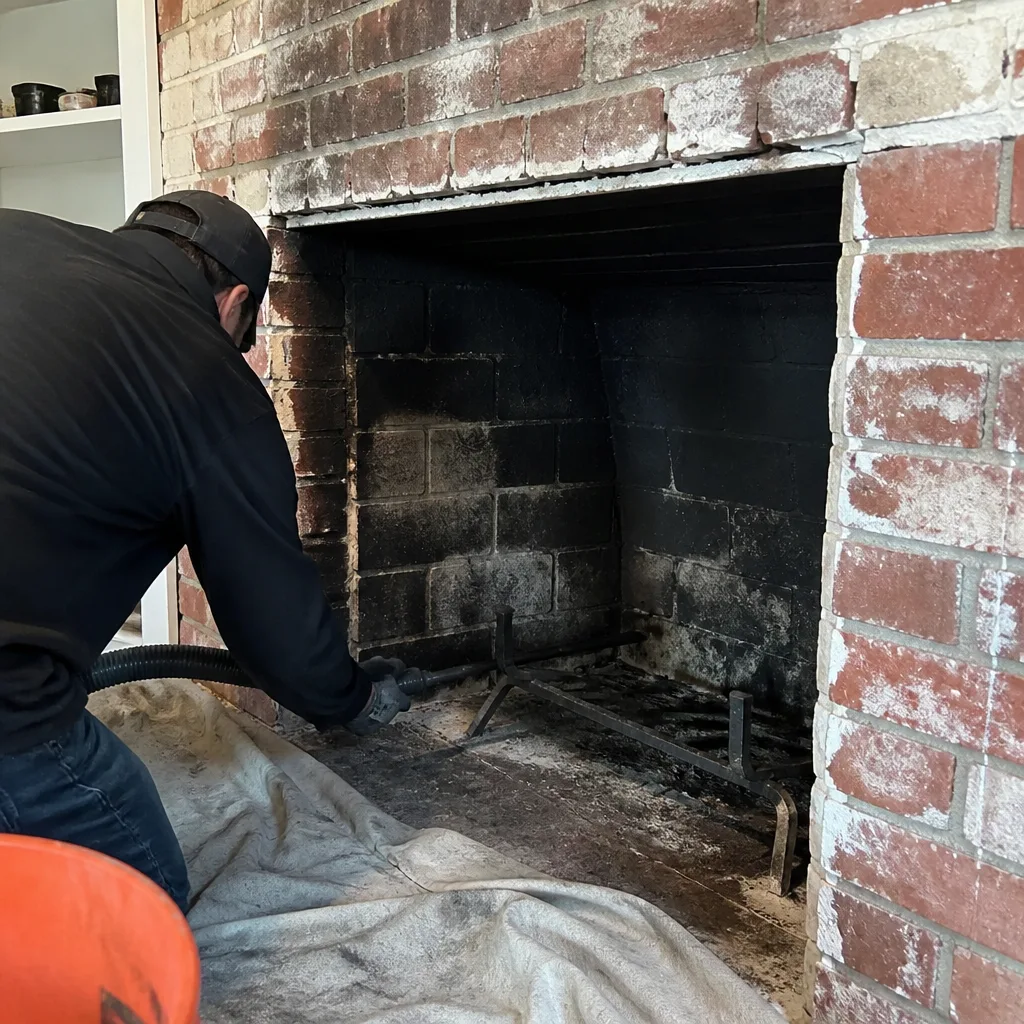 Before
 After
 Before
 After
When to Call a Professional
Call a professional when any of these are true: draw has dropped in the last one or two seasons, a sharp smell lingers from the firebox in warm months, white staining appears on exterior brick, you see cracked or flaking flue tiles above the damper, water appears in the firebox after a storm, or the damper won’t open fully. Call sooner if you smell smoke inside the house with no fire lit or a carbon monoxide alarm has triggered. Those are reasons for a same-day call. Call (833) 468-3004. We answer 24/7. Fast dispatch from 7am to 7pm, Sunday through Friday. The estimate is free, and we’ll explain what we find before recommending any repair.
Murray Chimney Sweep covers the full chimney lifecycle, from the firebox to the crown, so a diagnosis and a repair don’t require a second contractor. We’re the same specialist at the inspection and at the fix.
Frequently Asked Questions
The first warning signs are draw degradation, a sharp creosote smell in warm weather, white staining on exterior brick, and flaking or cracked flue tiles above the damper. Any one of these is a reason to book a sweep and inspection rather than wait for a bigger symptom. Call (833) 468-3004 for an exact quote on a Murray sweep and inspection – estimates are free.
A chimney should be swept when a season’s worth of creosote accumulates, and inspected at the same time. For most Murray households that use a fireplace regularly through the burning season, that means a sweep once a year, done in spring or summer before the next season. Homes with light use can sometimes stretch the interval, and a professional inspection is the right way to decide. Reach out to Murray Chimney Sweep for a sweep and inspection and we’ll tell you where you stand.
The sharp, oil-like smell is a sign of dense glazed creosote in the flue, and it deserves prompt attention. It is different from the mild smoky smell of a well-used chimney in summer, which is normal. Glazed creosote is what fuels the slow, quiet chimney fire that narrows a flue over seasons. Call (833) 468-3004 and we’ll schedule a sweep with camera inspection to see what’s in the flue.
You can narrow it down but not fully diagnose it without a camera inspection. Cap problems show as draft trouble in wind and water in the firebox after storms. Liner problems show as smoke in the room and tile fragments in the firebox. Both can exist in the same chimney, and only a proper inspection distinguishes them. Call Murray Chimney Sweep at (833) 468-3004 – estimates are free.
Yes. The white staining is efflorescence, and it means water is passing through the masonry and evaporating from the surface. Left alone, water in a Wasatch Front chimney goes through freeze-thaw cycles that turn a stain into spalled brick and decayed mortar. Our cap and crown installation service addresses the water source. Reach out to Murray Chimney Sweep and we’ll look at the crown, cap, and flashing together.
Our sweep includes brushing the flue, checking the firebox and damper, running a camera the full height of the flue, looking at the cap and crown from the roof, and reviewing what we find with the homeowner with photos included. We carry DuraFlex, HeatShield, Copperfield, and Olympia Chimney lines, so repair recommendations can move directly into a repair with the same specialist who did the inspection. Call (833) 468-3004 to book.
The Bottom Line
The chimney fires that matter rarely announce themselves. They start with draw fading over two seasons, a smell that changes from mild to sharp, white staining on exterior brick that looks cosmetic until water has had a winter to freeze and expand. Each of those signs is a warning that arrives months before a failure and gives a homeowner a real window to act. A sweep with a camera inspection catches all of them. If you use a fireplace in Murray, book the sweep before your first fire. Our technicians have up to 15 years of experience, the estimate is free, and we’ll show you what we find. Call (833) 468-3004 to get started with Murray Chimney Sweep.
Written by the team at Murray Chimney Sweep.