
Last updated November 24, 2026
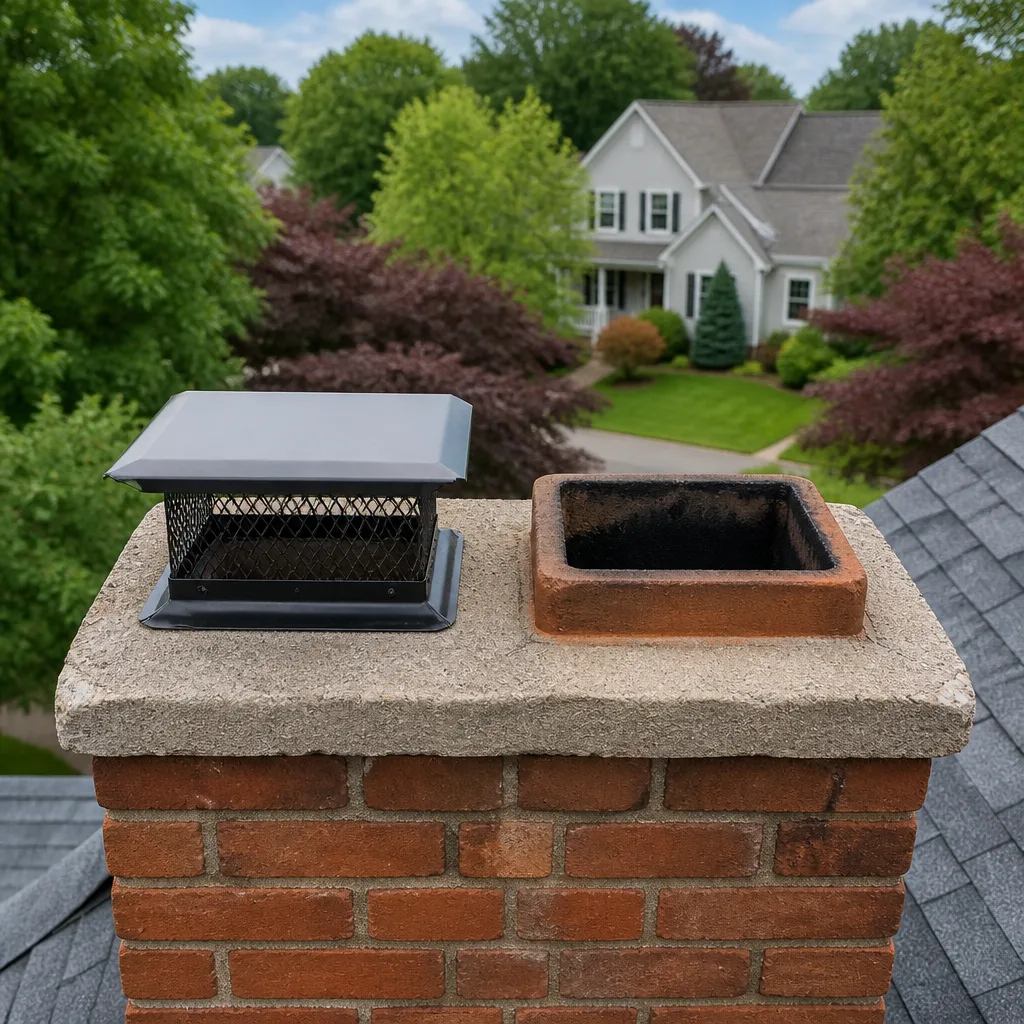 Sweep & inspection
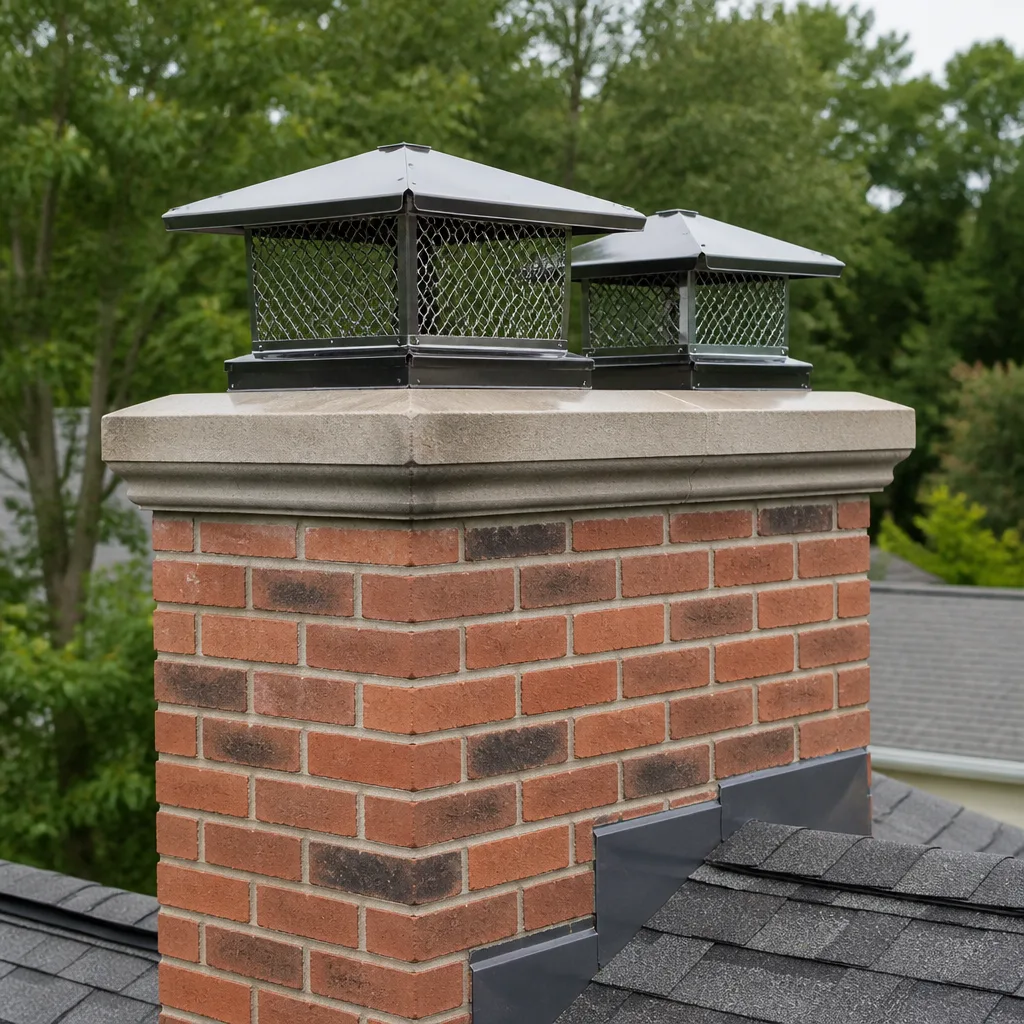 Caps & crowns
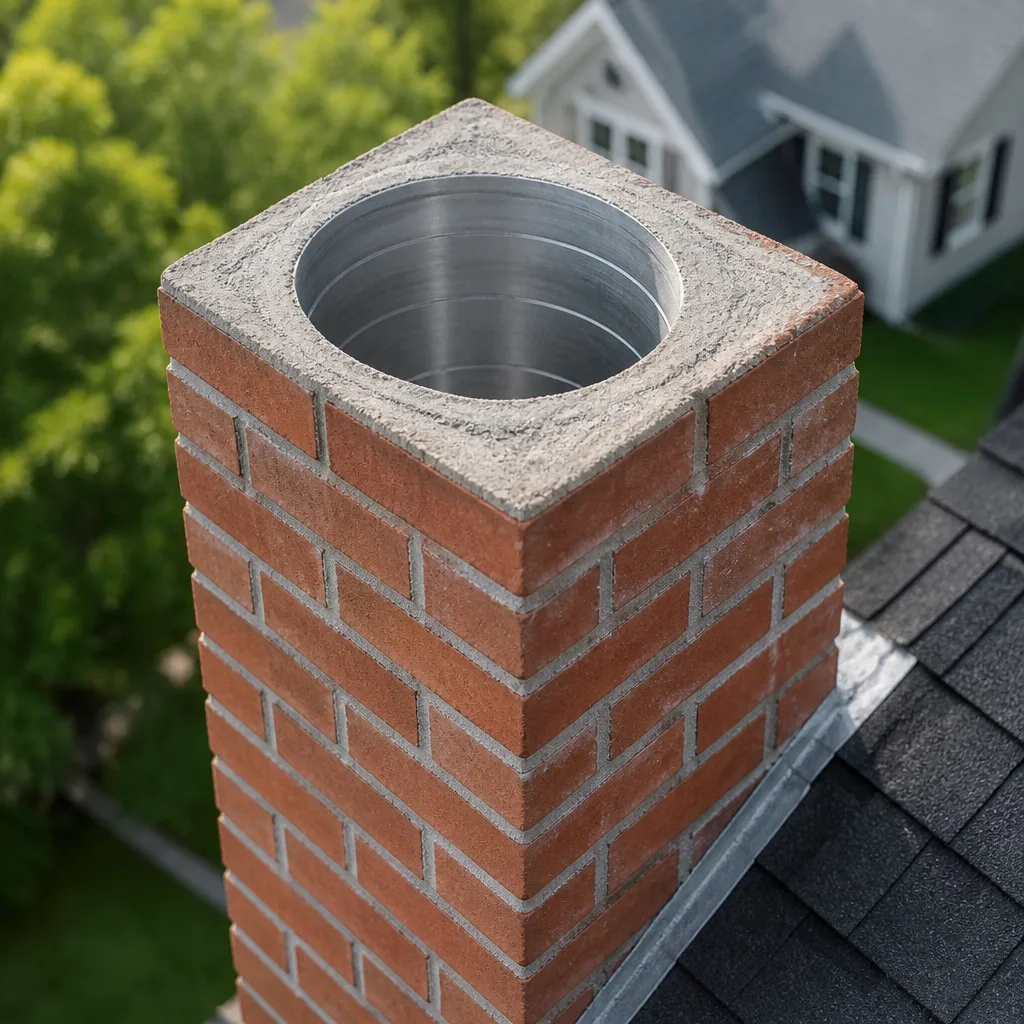 Flue relining
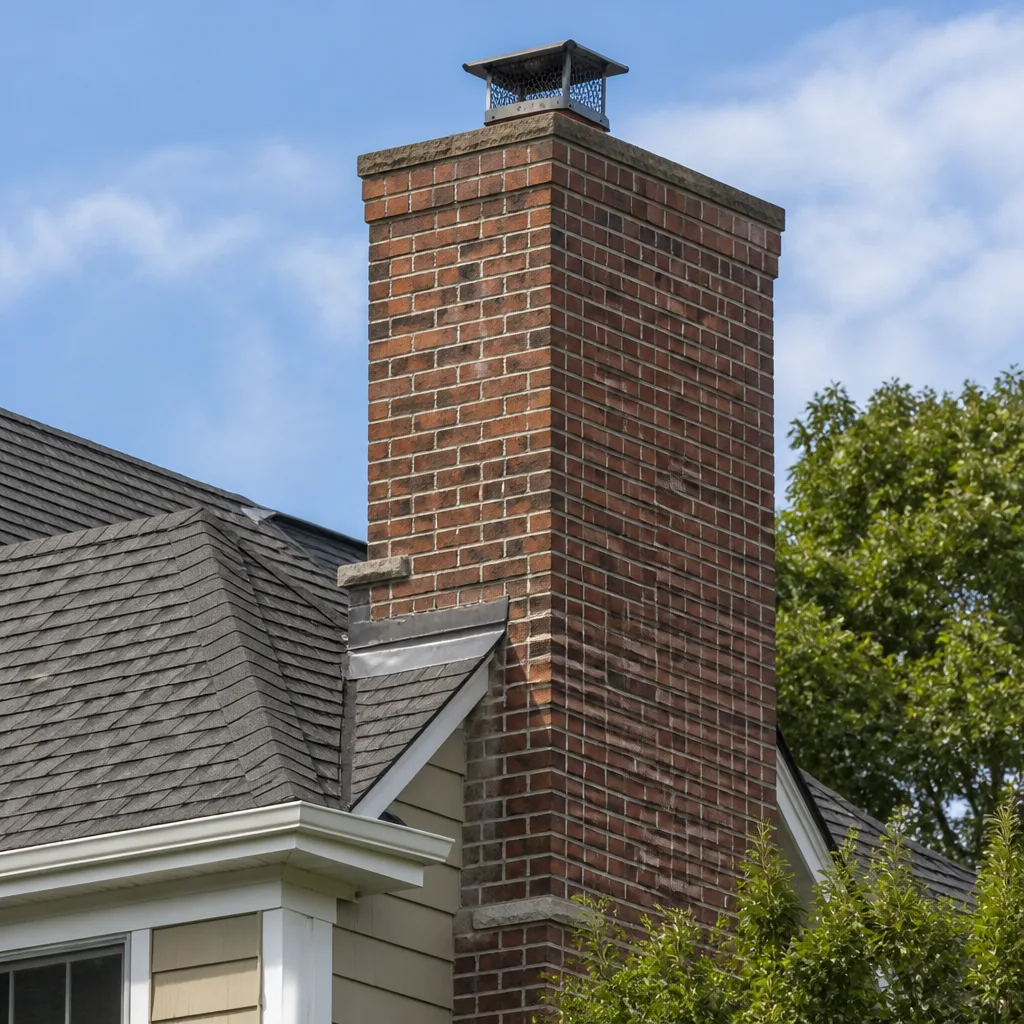 Masonry repair
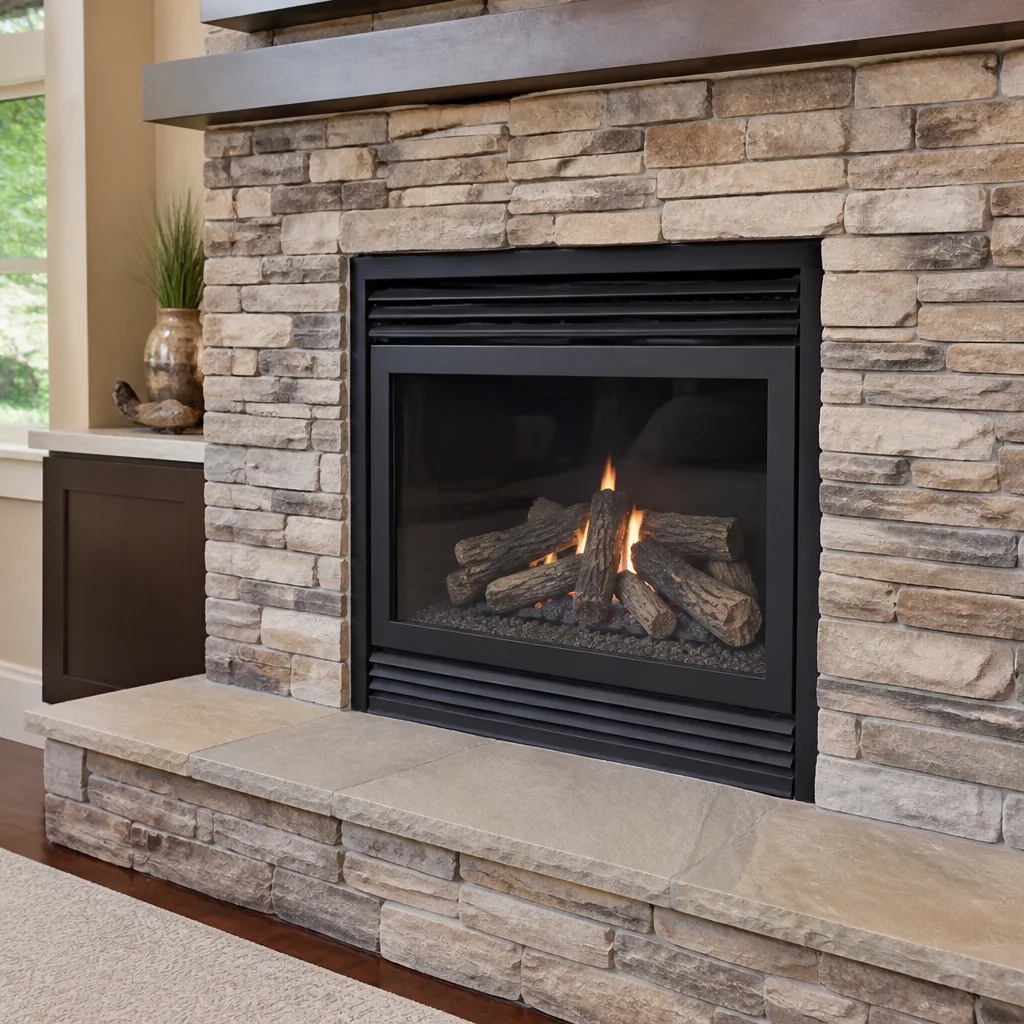 Gas fireplace service
Level 1 sweep and inspection to the NFPA 211 annual standard - flue, crown, cap, and flashing checked and photographed
Chimney sweep logs do not sweep chimneys. They loosen some creosote - which then falls where a brush and vacuum still have to collect it.
Chimney Cleaning Emergency Preparedness Guide for Murray Homes
Chimney fires in Murray are more likely in January than any other month. Not because that’s when people burn more, but because that’s when a full inversion season’s worth of creosote meets the first really cold night where someone cranks the fire hotter than usual. That’s not bad luck. That’s a sequence. And sequences can be interrupted. The Utah winter inversion traps cold air in the valley and pushes smoke back down, which changes how a Murray chimney drafts and how much unburned material settles in the flue. Add a fall of steady burning and a sudden demand for more heat, and you have the conditions where a small problem becomes a dangerous one. This guide walks through how to spot an active chimney fire, what to do in the first 90 seconds, what happens after, and how to prepare before October. By the end, you’ll know the sequence and where to break it.
Quick Answer
A chimney fire emergency in Murray is best handled by closing the firebox door or damper to starve the fire of oxygen, getting everyone outside, and calling 911 if you see flames, hear roaring, or smell a strong burning odor. Even if the fire appears to go out on its own, you need a Level 2 inspection before you burn again. Preparation before the first fire in October is the real emergency plan.
Styles & brands we work with
- Sweep & inspection
- Caps & crowns
- Flue relining
- Masonry repair
- Gas fireplace service
Table of Contents
- Why Murray Chimney Emergencies Follow a Sequence
- How to Identify an Active Chimney Fire in Progress
- The First 90 Seconds: What to Do Step by Step
- What to Do After a Chimney Fire Before You Burn Again
- Carbon Monoxide Scenarios From Chimney Systems
- The Pre-Season Emergency Preparedness Checklist
- How to Find Emergency Chimney Service in Murray
Why Murray Chimney Emergencies Follow a Sequence
Most chimney emergencies in Murray don’t start in the chimney. They start in the shoulder seasons, when a homeowner skips an inspection because the fireplace “worked fine last year.” Creosote builds in layers. A thin glaze from one season is fuel for the next. When the first hard cold snap hits and someone loads the firebox fuller than usual, that accumulated fuel meets a hotter, longer burn. That’s the moment the sequence completes.
Murray sits in the Salt Lake Valley, and the winter inversion changes how a chimney behaves. Cold air settles low, warm air traps above it, and smoke that would normally rise and disperse can hang or even reverse. A chimney that drafts poorly on an inversion day deposits more creosote than one that drafts well. It also sends more combustion byproducts back into the room if the flue is compromised. That’s a carbon monoxide risk, and it’s why a sweep without an inspection is just guesswork.
Deferred maintenance compounds the problem. A missing or damaged cap lets water in. Water mixes with creosote and corrodes the flue. A cracked crown does the same thing from above. By the time a Murray homeowner notices a problem, the flue liner may already be compromised. The repair costs more than the inspection would have. That’s the pattern.
There’s a third factor: older Murray housing stock. Many homes in neighborhoods like Vinecrest, Woodstock, and the streets near Wheeler Historic Farm were built with masonry chimneys that are now decades old. Masonry doesn’t fail suddenly. It fails slowly, then all at once. A spalled brick or a deteriorated mortar joint in the smoke chamber can go unnoticed until a hot fire stresses it. That’s why we treat inspection and sweeping as one job, not two.
The sequence is predictable: skipped inspection, accumulated creosote, a first cold burn that’s hotter than the flue can handle, and a fire or a CO event. If you break any link in that chain, you stop the emergency before it starts.
How to Identify an Active Chimney Fire in Progress
Chimney fires don’t always look like the movies. Many burn slowly and quietly inside the flue, and the only sign is a smell or a sound. Knowing what to look for in a Murray home is the difference between catching it in the first minute and discovering it after the flue has cracked. Here’s what to watch for.
Sound
A roaring, rumbling, or low-pitched humming noise from the chimney is the most reliable sign of an active fire in the flue. It sounds like a distant train or a small engine running. Ticking or popping sounds can indicate expansion of metal components or a flue liner under stress. If you hear any of these while a fire is burning, treat it as an active chimney fire.
Smell
A strong, hot, burning smell that isn’t normal wood smoke. Some homeowners describe it as a chemical or tar-like odor. It can also smell like burning paper or a hot metal smell. If the smell appears suddenly and doesn’t clear, that’s a warning sign.
Sight
- Thick, dark smoke coming from the top of the chimney, especially if it changes suddenly.
- Sparks or embers visible at the chimney top.
- Flames or glowing visible from the roof or from the ground.
- Discolored or warped chimney cap, or a heat shimmer above the chimney.
- Creosote flakes or pieces of flue liner on the roof or ground nearby.
- Smoke backing into the room from the firebox, which can indicate a blocked or damaged flue.
Not all of these will be present. Some slow-burning chimney fires produce only a smell and a faint sound. The surest sign is that something feels wrong: the fire behaves differently, the draft changes, or you smell something you haven’t smelled before. In our experience in Murray, homeowners often say they “knew something was off” but couldn’t name it. Trust that instinct. If you suspect it, act like it’s real.
The First 90 Seconds: What to Do Step by Step
The first 90 seconds of a chimney fire matter more than everything that follows. Panic is the enemy here. A clear sequence keeps you and your family safe while the fire either burns out in the flue or gets handled by the fire department. Here’s the order we recommend.
- Get everyone out of the house. This is first, not second. Don’t stop to grab anything. Get people outside and account for everyone. If anyone is missing, tell the 911 dispatcher when you call.
- Call 911. Tell them you have a chimney fire. Give your Murray address. Don’t wait to see if it gets worse. Fire departments would rather respond to a fire that turns out to be small than arrive at a house that’s already damaged.
- If you can safely reach it, close the firebox door or the damper. This starves the fire of oxygen. Do this only if the firebox is reachable and you’re not putting yourself in danger. If flames are visible outside the firebox, skip this step and stay outside.
- Do not throw water on the fire. Water on a hot flue can crack masonry and send steam and debris back at you. It can also spread creosote that’s burning in the flue.
- Do not close the chimney cap or block the top. The flue needs to vent. Blocking it can push smoke and fire back into the house.
- Stay outside until the fire department says it’s safe to return. Even after the fire appears out, the flue can stay dangerously hot for hours. Don’t go back in to “check on things.”
If the fire is small and contained, the fire department may tell you it’s out. That does not mean the chimney is safe. It means the burn has stopped. The damage assessment comes next.
One more thing: if you have a carbon monoxide alarm, grab it or note whether it’s sounding on your way out. That’s information the fire department will want. If the alarm isn’t sounding but you feel dizzy or nauseous, tell the dispatcher that too. We answer 24/7 at (833) 468-3004 if you need to talk through what you’re seeing while you wait.
What to Do After a Chimney Fire Before You Burn Again
Here’s the part most homeowners get wrong: a chimney fire that looks minor may have done serious damage inside the flue. The visible firebox can look fine while the flue liner has cracked, the smoke chamber has spalled, or a joint has separated. Burning again without an inspection is the riskiest thing you can do after a chimney fire.
A Level 2 inspection is mandatory after any chimney fire. This is not a general recommendation. It’s the standard the industry uses to assess damage inside the flue after a fire event. A Level 2 inspection uses a camera to look inside the flue from top to bottom. It checks the liner, the smoke chamber, the damper, and the connections. It finds damage that can’t be seen from the firebox. Without that inspection, you’re guessing.
What a Level 2 inspection typically involves:
- Camera inspection of the flue from top to bottom.
- Inspection of the firebox, smoke chamber, and damper assembly.
- Inspection of the chimney exterior, including the crown, cap, and flashing.
- A written report with photos showing what was found.
- A discussion of what’s safe, what needs repair, and what can wait.
If the inspection finds a cracked or deteriorated flue liner, the fix is usually a new liner or a resurfacing. We work with DuraFlex liner systems and HeatShield flue resurfacing, and both are professional-grade materials designed for exactly this kind of restoration. HeatShield in particular is a resurfacing product that can restore a flue that would otherwise need to be torn out. Not every flue qualifies, but when it does, it saves the homeowner a much larger reconstruction.
If the crown or cap was damaged in the fire, we handle that too, using Copperfield components where appropriate. The point is that the same specialist who inspects the problem is the one who repairs it. There’s no handoff to a second contractor, and no guessing at what the first inspection actually found. Our technicians have up to 15 years of experience with these assessments, and they’ll walk you through the photos line by line.
One important note: don’t burn in the fireplace again until the inspection is complete and any repairs are finished. That’s the single most important rule after a chimney fire.
Carbon Monoxide Scenarios From Chimney Systems
Carbon monoxide from a chimney system is a serious topic, and it deserves a serious answer. CO is colorless and odorless. A chimney that’s blocked, cracked, or drafting poorly can push combustion byproducts back into the living space instead of up and out. In a Murray home, that’s most likely to happen on an inversion day, when the outside air pressure doesn’t pull smoke up the way it should.
What causes CO from a chimney
- A blocked flue from a bird nest, debris, or a collapsed liner.
- A cracked or deteriorated flue liner that lets gases escape into the home.
- A chimney that’s drafting poorly due to an inversion or a negative pressure issue in the house.
- A fireplace or wood stove that’s improperly vented or connected.
- A chimney cap that’s blocked, damaged, or missing entirely.
What symptoms to watch for
Headache, dizziness, nausea, fatigue, and confusion are the early signs of CO exposure. They’re easy to mistake for a cold or the flu, which is what makes them dangerous. If more than one person in the house feels the same way at the same time, and the symptoms improve when you go outside, treat it as a CO event. Get everyone out and call 911.
Why CO alarm placement matters
CO alarms need to be on every level of the home and outside every sleeping area. That’s the baseline. Beyond that, place one in the room with the fireplace or wood stove, ideally on a wall at about knee-to-chest height. CO mixes with air and doesn’t stratify the way smoke does, so high-ceiling placement isn’t necessary for CO, but a unit too close to the firebox can trigger from a small puff of smoke. The right spot is in the same room, but not directly above the fireplace.
Test alarms monthly. Replace the batteries on the schedule the manufacturer recommends. And if your alarm has ever gone off, don’t just reset it. That’s a signal to get the chimney inspected. A CO alarm that sounds is doing its job. The question is what tripped it, and a chimney inspection answers that.
The Pre-Season Emergency Preparedness Checklist
The best chimney emergency plan in Murray starts in October, before the first fire of the season. What you have on hand and what’s been checked before that first burn determines how a real emergency plays out. Here’s the checklist we walk through with homeowners.
What to have checked before the first fire
- A professional chimney sweep and inspection. This is the foundation. A sweep without an inspection is just guesswork. Book it in early fall, before the first cold snap fills the schedule.
- The chimney cap. Is it in place, intact, and properly sized? A missing or damaged cap is the leading cause of water damage, animal entry, and debris in the flue.
- The crown. Look for cracks, spalling, or separation. A failing crown lets water into the chimney structure, which is the most common source of long-term chimney damage.
- The flue liner. Checked during the inspection with a camera. Missing or damaged liner sections are a fire and CO risk.
- The damper. It should open and close smoothly and seal reasonably well. A damper that’s stuck open drafts poorly; one that’s stuck closed is a firebox hazard.
- The firebox and smoke chamber. Look for cracked masonry, deteriorated mortar, and any signs of creosote buildup beyond what a sweep would remove.
What to have on hand
- A working smoke alarm on every level and outside sleeping areas.
- A working CO alarm on every level and outside sleeping areas.
- A fire extinguisher rated for wood fires, kept near the fireplace.
- A phone with 911 pre-programmed and the number for your chimney professional on the fridge.
- A clear path to the nearest exit from the fireplace room.
- Flashlights and a battery-powered radio for extended power outages, which can happen in Murray during heavy inversion-season storms.
One more: know where your fireplace’s damper is and how to close it. In the first 90 seconds of a chimney fire, that’s the one piece of the fireplace you might need to operate in a hurry. Confirm it works now, not during a fire. If you’re not sure, that’s a good reason to book a chimney inspection before October. The local pro we connect you with is licensed and insured as their state requires, and the sweep is a flat price agreed before the appointment.
How to Find Emergency Chimney Service in Murray
When a chimney emergency happens, the first question is who to call. In Murray, that usually means a chimney professional with a real camera inspection, not a general handyman. Here’s how to find one quickly.
The phone line is the first step: Call (833) 468-3004. We answer 24/7. Fast dispatch from 7am to 7pm, Sunday through Friday. If you’re calling outside those dispatch hours, the call is booked into the next opening. The important thing is that you get a human on the line who can help you assess what you’re seeing and book the right next step.
What to have ready when you call:
- Your address and the type of chimney (masonry or factory-built).
- What you observed: sound, smell, smoke, flames, or CO alarm activity.
- Whether the fire department responded and what they said.
- Any prior inspection reports or repair records.
- A photo of the firebox and the chimney exterior if you can safely take one.
After any chimney fire, the call should lead to a Level 2 inspection. That’s the standard. If the company you call doesn’t offer camera inspection, keep calling. A chimney sweep without an inspection doesn’t give you enough information to make a safe decision.
We handle the full chimney, from the firebox to the crown. That includes chimney sweep appointments, chimney repair, and fireplace repair. Our technicians use professional-grade materials from brands like DuraFlex, HeatShield, Copperfield, Gelco, Olympia Chimney, and Famco, and the same specialist who inspects the problem is accountable for the solution. The estimate is free, the written estimate sets the final price, and there are no surprises between the diagnosis and the repair.
Common Mistakes to Avoid
- Burning again after a chimney fire without a Level 2 inspection. The firebox can look fine while the flue liner is cracked. The inspection is what tells you it’s safe, not the appearance of the firebox.
- Skipping the fall sweep because last year’s fire “worked fine.” In Murray, a single inversion season can deposit a layer of creosote that wasn’t there last year. The chimney that worked fine in March may not be the one you have in October.
- Ignoring a CO alarm that goes off once and resets clean. A single event is still an event. Get the chimney inspected before the next burn.
- Closing the chimney cap or blocking the flue during a chimney fire. The flue needs to vent. Blocking it can push fire and smoke into the house.
- Throwing water on a hot flue. Water on hot masonry can crack it. It can also send steam and debris back toward you.
- Assuming a missing cap is a minor issue. A missing cap is one of the most common causes of water damage in a Murray chimney. Water and creosote together corrode the liner faster than creosote alone.
- Calling a general handyman for chimney work. Chimney inspections, liner work, and crown repairs require specific training and materials. A handyman may not have the camera equipment or the product certifications to do the job right.
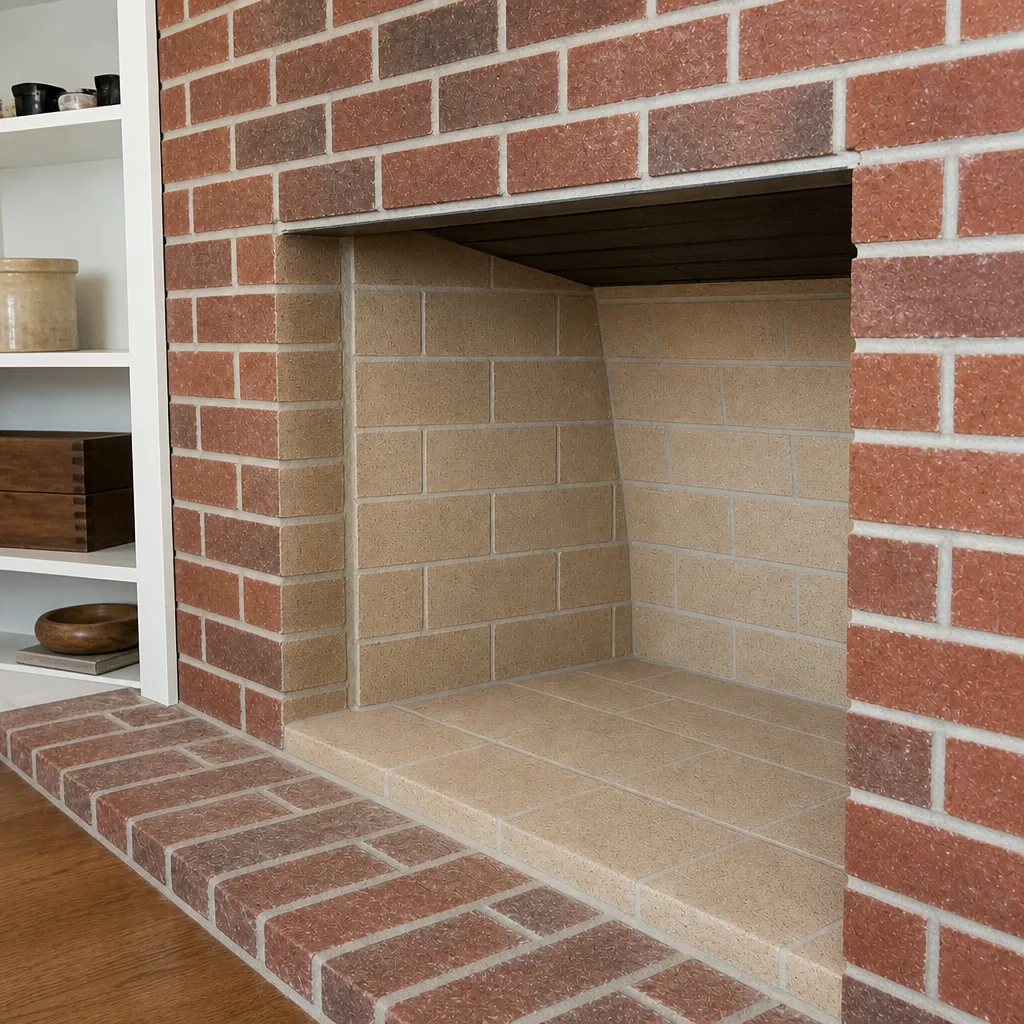
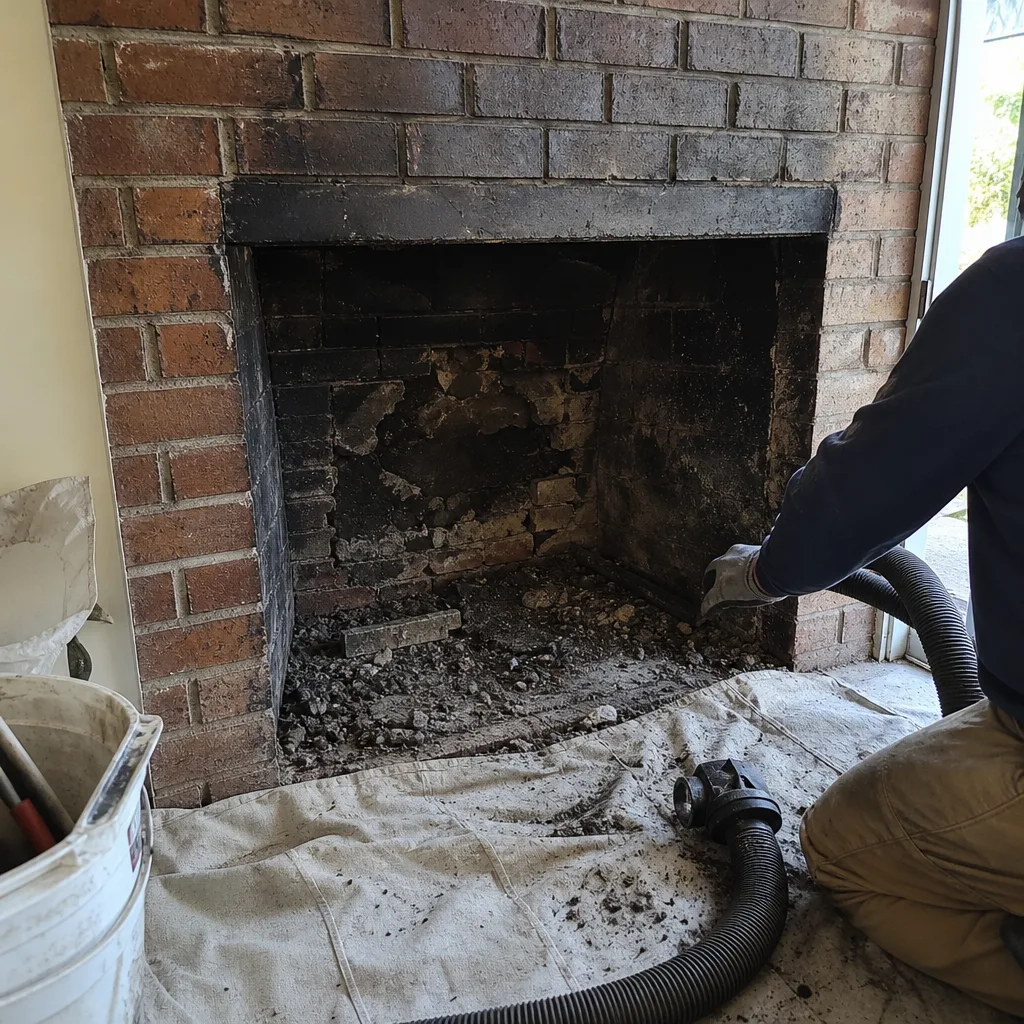
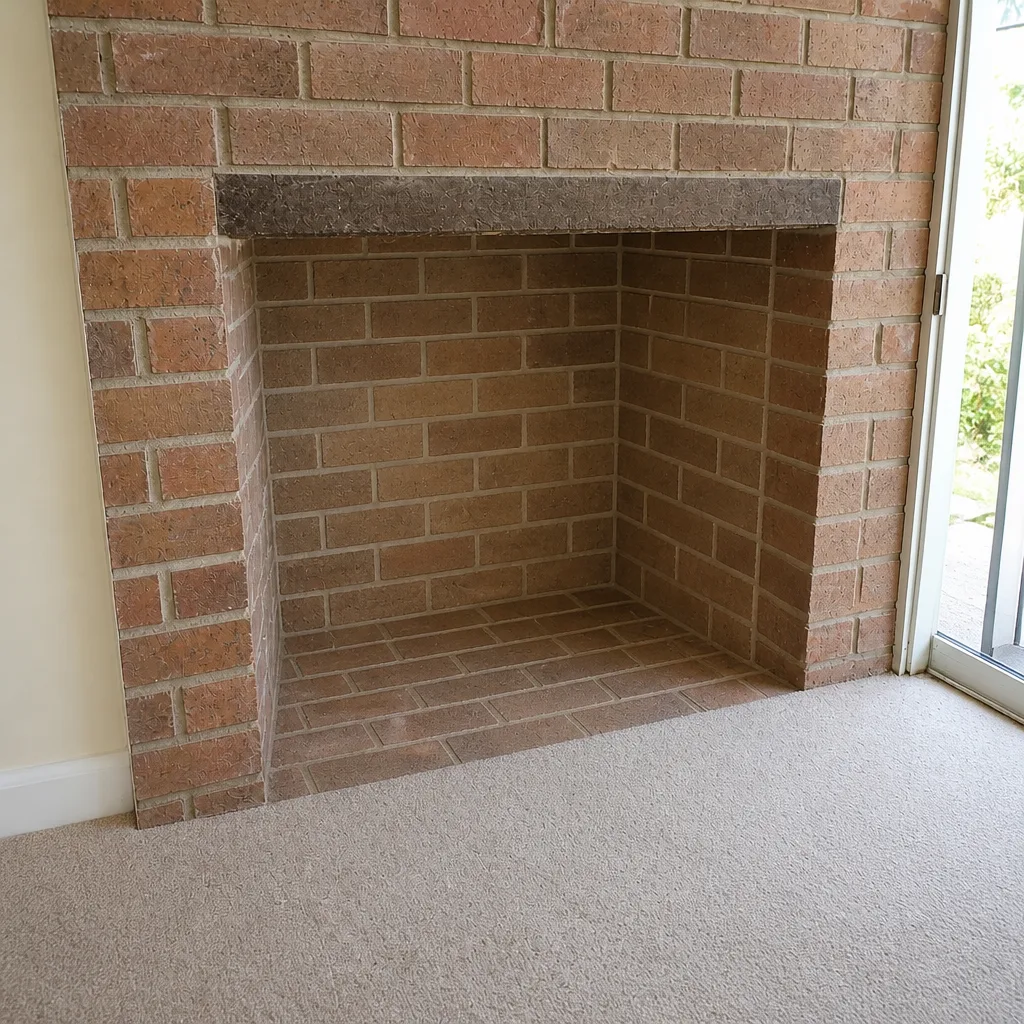
See the difference
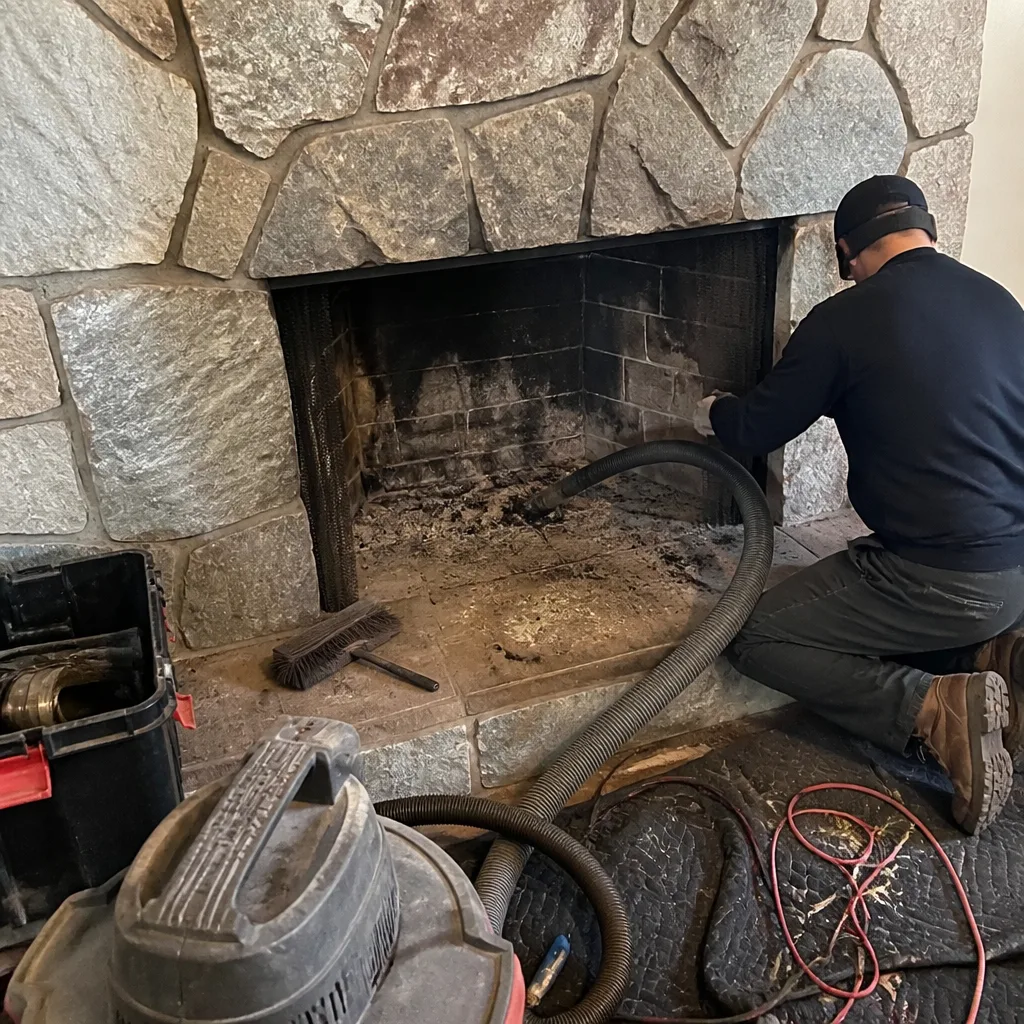 Before
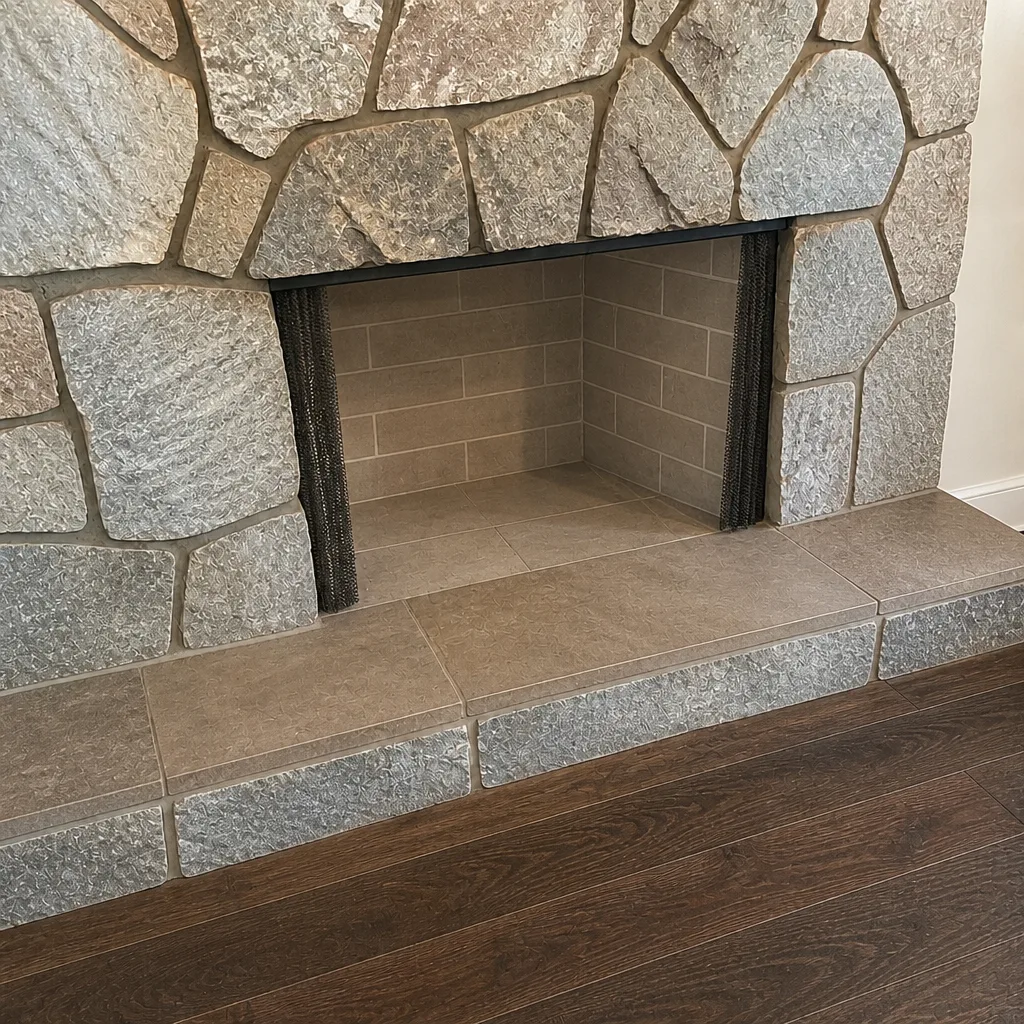 After
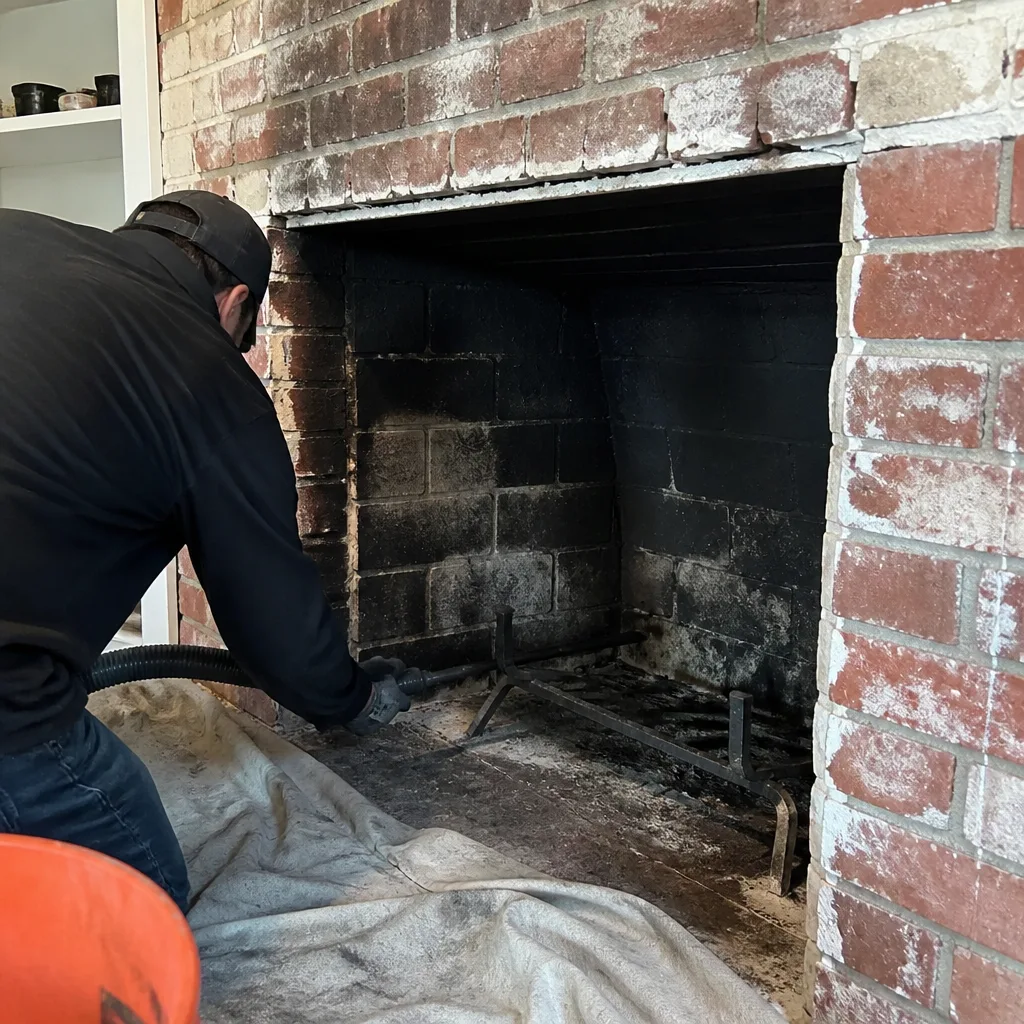 Before
 After
 Before
 After
When to Call a Professional
Some chimney issues can wait for a scheduled appointment. Others can’t. Call right away if you hear roaring or rumbling from the chimney, smell a strong burning odor that isn’t normal wood smoke, see smoke backing into the room from the firebox, or if your CO alarm sounds. Call if the fire department responded to a chimney fire at your home, even if the fire appeared minor. Call if you’ve never had the chimney inspected and you’ve been burning in it for more than a season. And call before the first fire of the fall if it’s been more than a year since the last sweep.
Murray Chimney Sweep offers free estimates in Murray. Call (833) 468-3004. We answer 24/7. Fast dispatch from 7am to 7pm, Sunday through Friday. The local pro is licensed and insured as their state requires, and the written estimate sets the final price. If the work can safely wait, we’ll tell you that. If it can’t, you’ll know exactly what needs to be done and why, with photos from the inspection you can see for yourself.
Frequently Asked Questions
Get everyone out of the house, then call 911. Close the firebox door or damper only if it’s safe to reach. Don’t throw water on the fire and don’t block the chimney top. After the fire department clears the scene, book a Level 2 inspection before burning again. Call (833) 468-3004 for an exact quote on the inspection – estimates are free.
Yes. A Level 2 inspection is the standard after any chimney fire because visible damage in the firebox doesn’t tell you what happened inside the flue. Camera inspection finds cracked liners, separated joints, and smoke chamber damage that can’t be seen from below. Skipping it and burning again is the riskiest thing you can do. Call (833) 468-3004 to schedule an inspection – estimates are free.
Most Murray chimneys should be swept and inspected once a year, before the first fire of the season in October. Homes that burn heavily through the winter, or that burn unseasoned wood, may need more frequent attention. The right interval is based on what the inspection finds, not a fixed rule. Call (833) 468-3004 to book a sweep – estimates are free.
Creosote builds up in layers and becomes fuel for a chimney fire the next time a hot fire stresses the flue. Water intrusion through a missing cap or cracked crown can corrode the liner. CO risk rises when the flue is blocked or compromised. None of these things announce themselves. Call (833) 468-3004 to get the chimney inspected before the next burn – estimates are free.
Yes. A single CO alarm event is still an event, and the cause needs to be found. A blocked or cracked flue, an inversion-related draft issue, or a damaged cap can all cause short CO events. Get the chimney inspected before you burn again. Call (833) 468-3004 – estimates are free.
No. The firebox appearance doesn’t tell you whether the flue liner is cracked or the smoke chamber is damaged. Burn only after a Level 2 inspection confirms the chimney is safe. Call (833) 468-3004 to schedule the inspection – estimates are free.
The Bottom Line
Chimney emergencies in Murray follow a sequence: skipped inspection, accumulated creosote, a first cold burn that’s hotter than the flue can handle, and a fire or a CO event. Break any link in that chain and you stop the emergency before it starts. Get the sweep and inspection done in October. Have working smoke and CO alarms on every level. Know how to close your damper. After any chimney fire, get a Level 2 inspection with a camera before you burn again. And when you call, call a specialist who handles the full chimney, from the firebox to the crown.
Murray Chimney Sweep offers sweeping, inspection, fireplace repair, chimney repair, and chimney cap and crown installation, all from the same specialist who inspects the problem. Call (833) 468-3004 for a free estimate. We answer 24/7. Fast dispatch from 7am to 7pm, Sunday through Friday. If the work can safely wait, we’ll tell you that. If it can’t, you’ll see the photos and know exactly why.
For a broader look at how we work and what we offer across the full chimney lifecycle, see Murray Chimney Sweep.
Written by the team at Murray Chimney Sweep.